
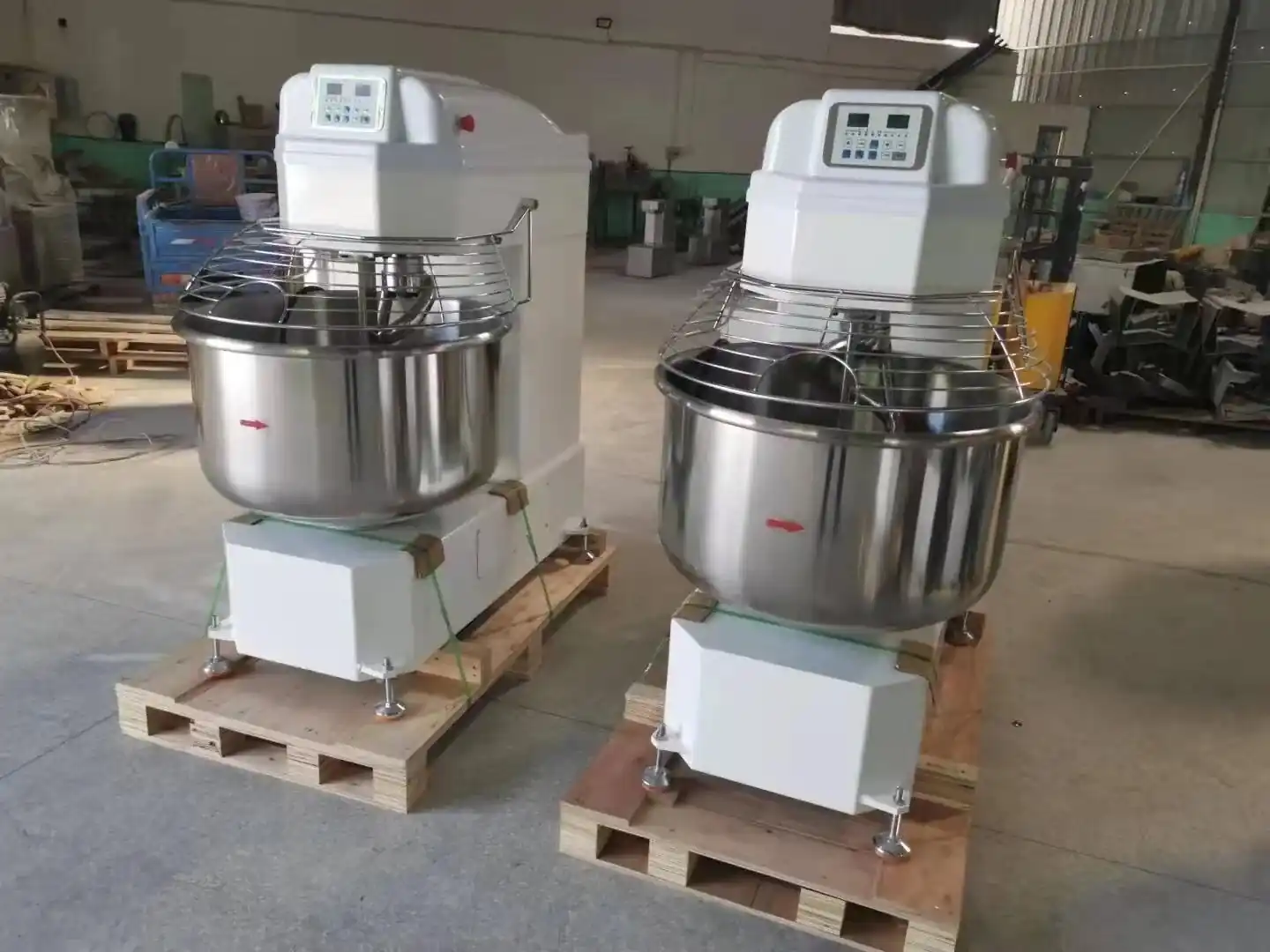
📸 Click thumbnails to view | Real factory photos from HNH Bakery Equipment
Commercial Spiral Dough Mixer Machine
For serious dough volume, our spiral mixers are the workhorses bakeries rely on — gentle kneading that develops gluten without overheating the dough. Available in capacities to match your production, built with food-grade stainless steel and backed by direct factory support since 2016.
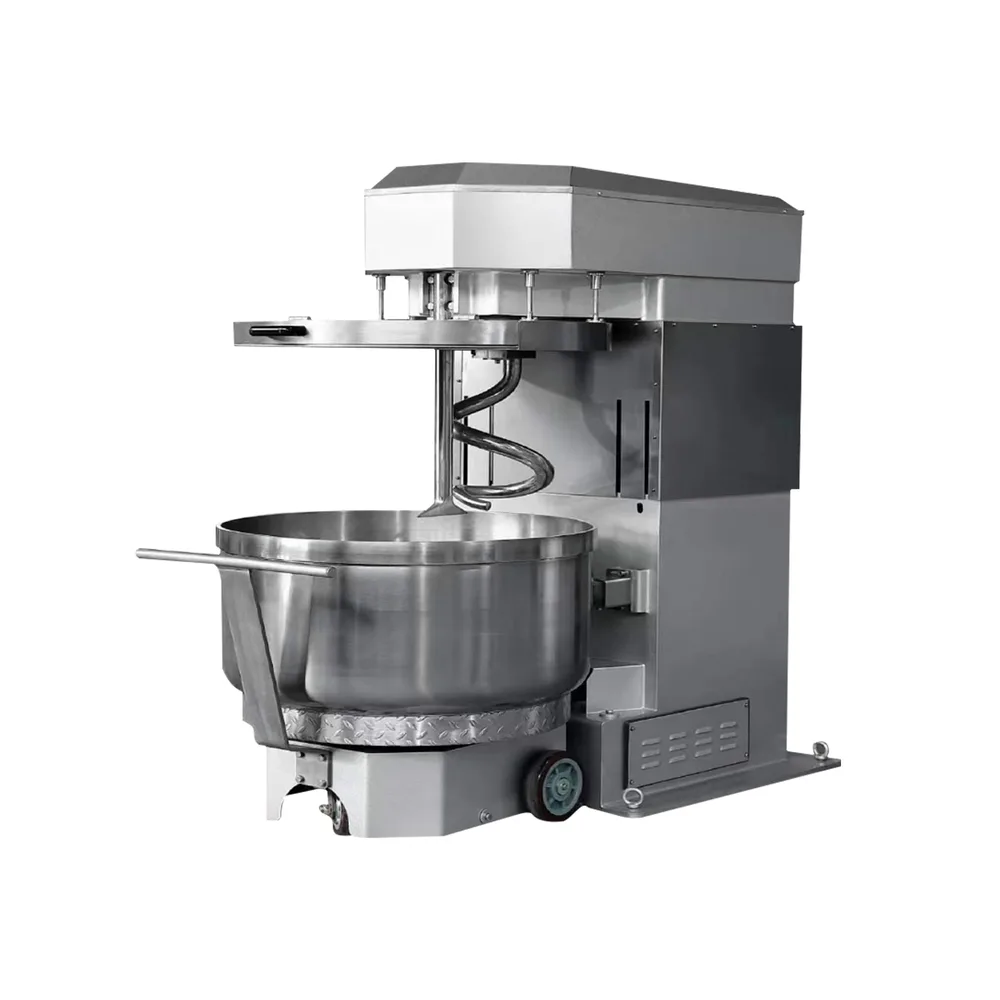
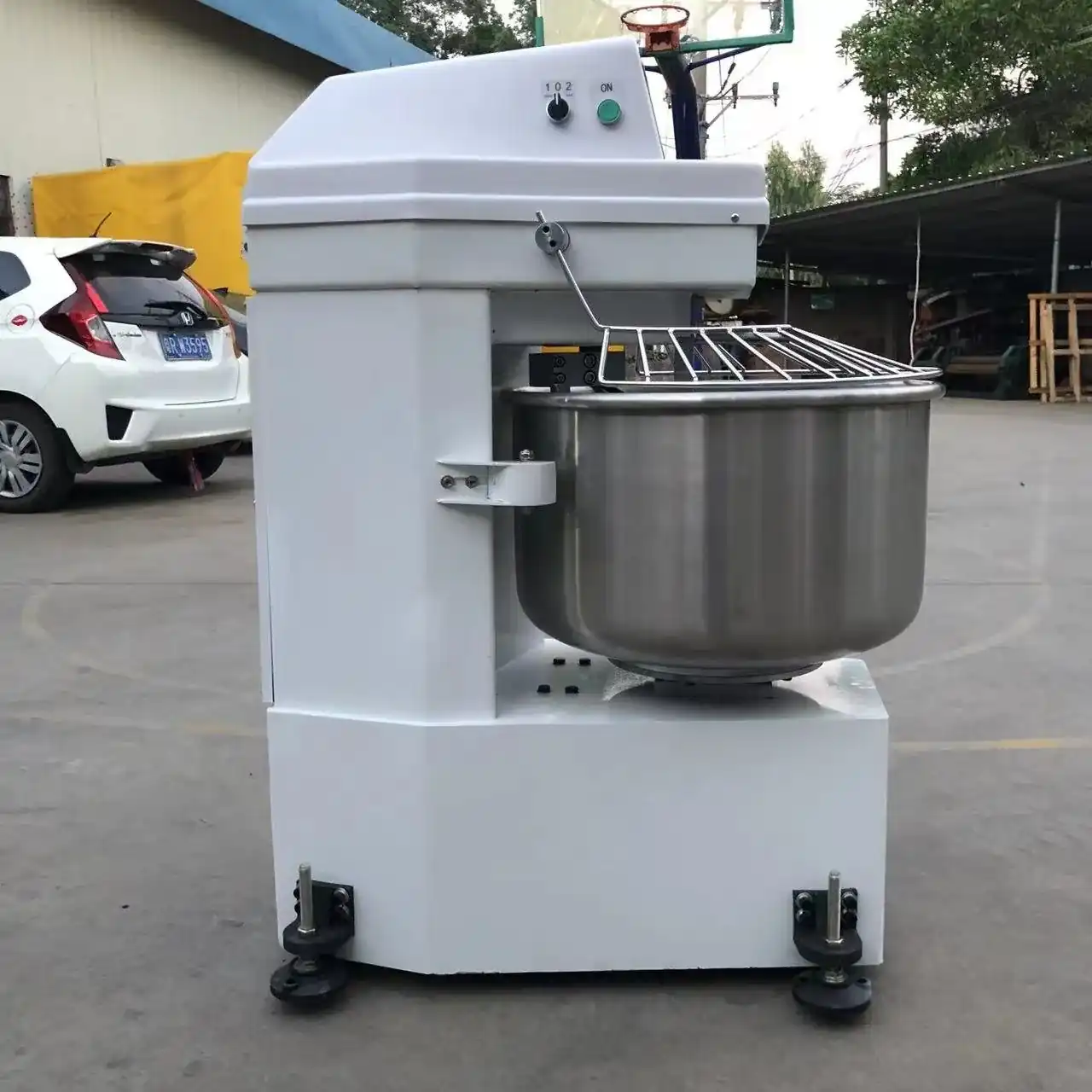
Our commercial spiral dough mixer combines a slow-turning bowl with a fast-turning spiral hook for gentle yet thorough mixing. As a leading spiral mixer manufacturer in China, we offer models from 20 to 200 liters capacity. These industrial spiral mixers are ideal for bread, baguette, pizza and pastry dough, from single-bakery output to large-scale food production. The unique spiral mixing action develops gluten evenly without overheating the dough, delivering consistent texture and volume batch after batch.
Quick Answer
Commercial spiral dough mixer: Professional bakery mixer with slow-rotating bowl and fast spiral hook for gentle, thorough dough development. Available in 20kg-120kg capacities, 220V/380V, food-grade stainless steel. Price: $1,200-$8,500 depending on capacity. Ideal for bread, pizza, pastry dough in bakeries, hotels, and food factories. Features: variable speed, digital timer, safety guard, emergency stop, CE certified.
Table of Contents
- Why Choose Our Commercial Spiral Mixer?
- Spiral Mixer Applications for Your Business
- How to Choose the Right Spiral Mixer Size
- You May Also Like
- Customer Success Stories with Our Spiral Mixers
- Commercial Spiral Mixer Installation & Commissioning Guide
- Spiral Mixer Maintenance & Care Guide
- Spiral Mixer vs Planetary Mixer vs Fork Mixer: Complete Comparison
- Often Asked Questions About Commercial Spiral Mixers
As a leading spiral mixer manufacturer, HNH Bakery Equipment provides high-quality spiral mixer for bakeries of all sizes. Our spiral mixer is designed for professional baking operations, delivering consistent results and reliable performance. Whether you need a spiral mixer for your commercial bakery or artisan bread shop, our equipment meets your production requirements.
Why Choose Our Commercial Spiral Mixer?
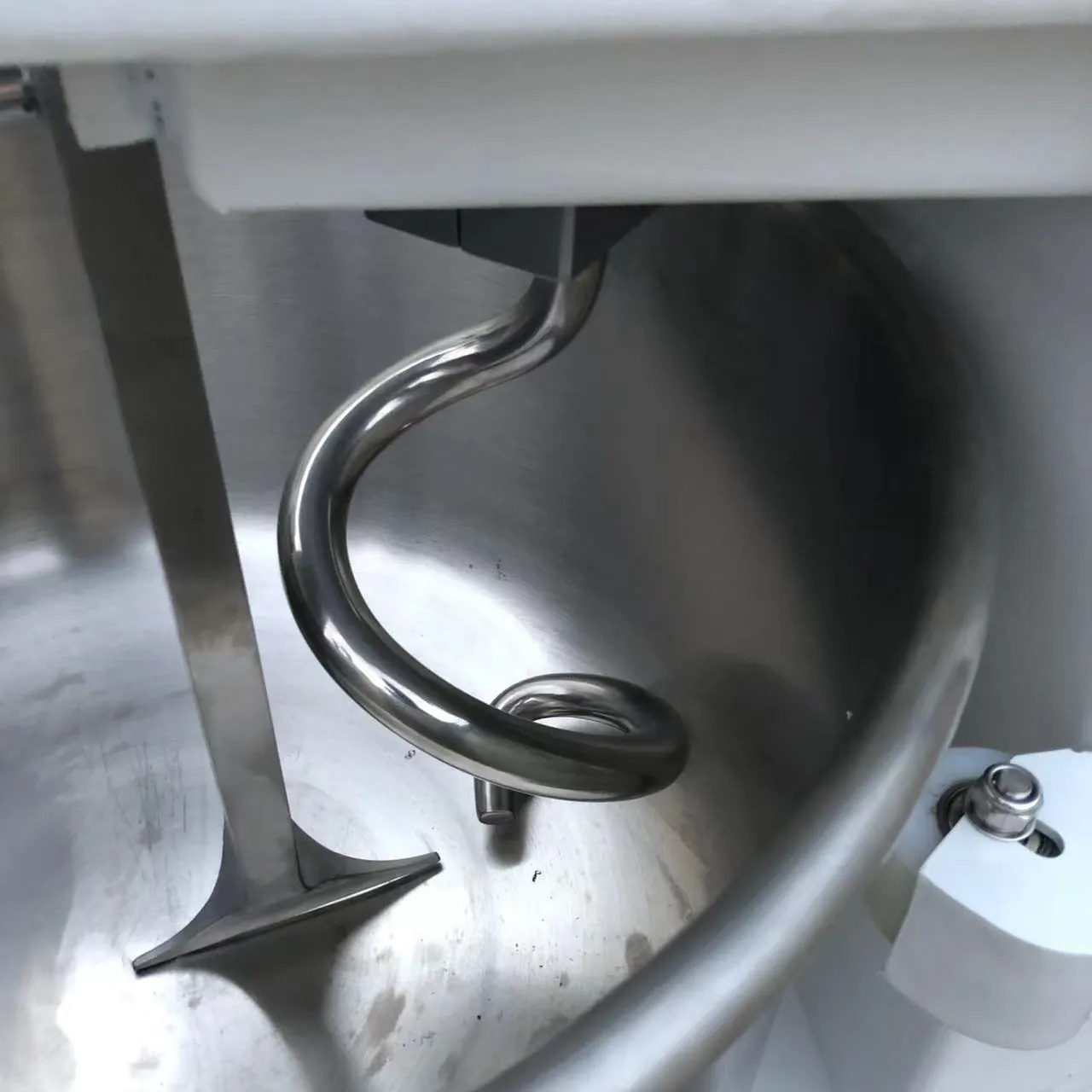
A spiral dough mixer is the heart of any bakery operation. Unlike planetary mixers, our commercial spiral mixers use a stationary spiral hook with a rotating bowl, which means less friction heat and better gluten development. This is especially important for high-hydration bread doughs and pizza doughs that require long mixing times. Our heavy duty spiral mixers are built with food-grade stainless steel contact parts, powerful motors, and precision timers for repeatable results. Whether you're mixing 10kg or 100kg of flour, our industrial spiral mixers deliver the consistent dough quality that professional bakers demand.
Key Features
- Spiral hook design protects dough structure and develops gluten evenly
- Stainless steel bowl and contact parts for food safety
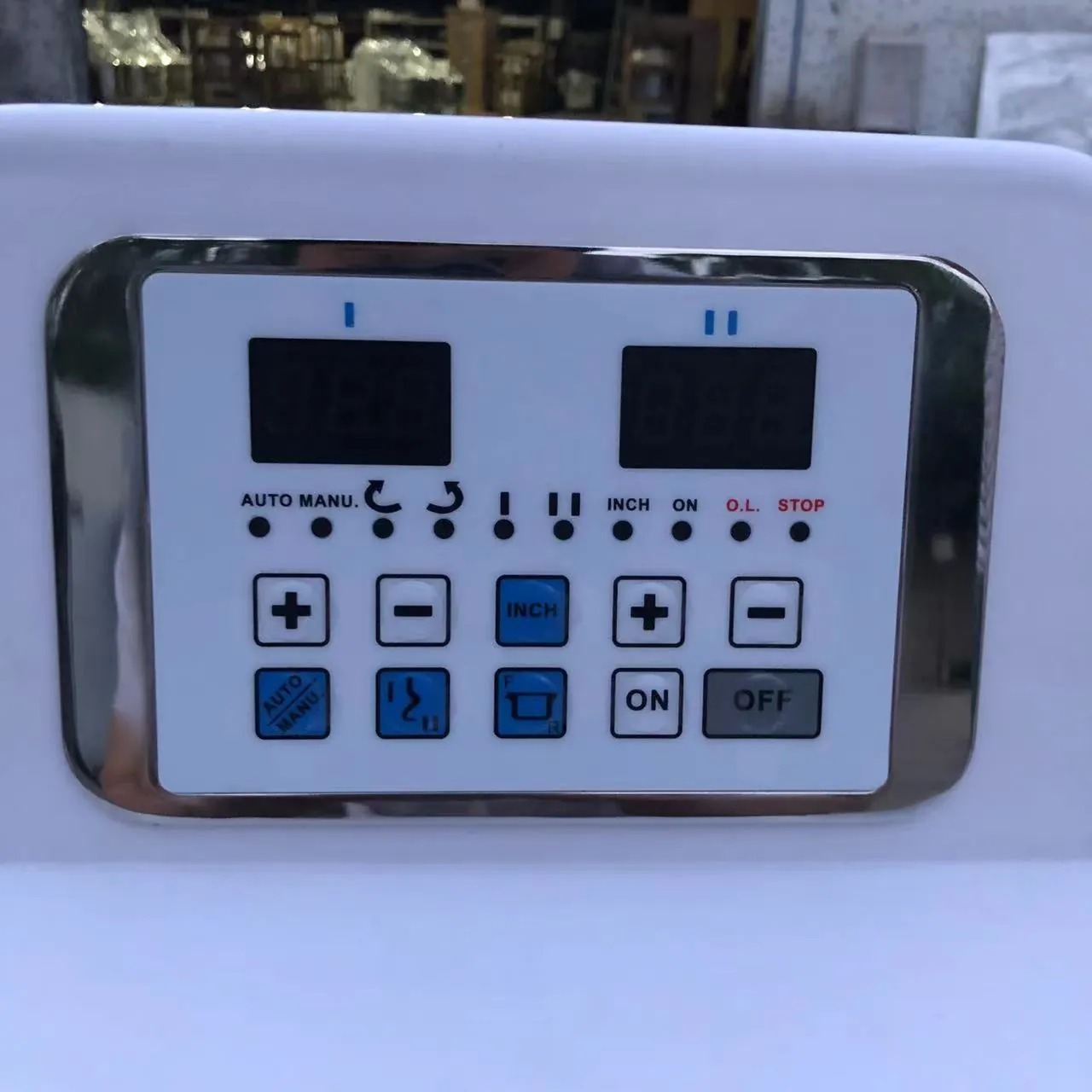
- Timer and speed control for repeatable results
- Wide capacity range to match your production volume
- Voltage available for your local market (220V / 380V / 415V)
Technical Specifications
| Model | HNH-SM20 / SM40 / SM60 / SM80 / SM120 (Reference) |
|---|---|
| Bowl capacity (kg flour) | 20 / 40 / 60 / 80 / 120 kg (Reference) |
| Mixing speed | 2-speed (Low ~100rpm / High ~200rpm) (Reference) |
| Voltage / Power | 220V/380V, 1.5kW-7.5kW (Reference) |
| Dimension (L×W×H) | Varies by model, contact for exact specs (Reference) |
| Weight | 180-650 kg depending on model (Reference) |
| MOQ | 1 unit |
| Lead Time | 15-30 days |
※ Specifications above will be finalized once confirmed with the factory. Contact us for the latest data sheet and price.
Spiral Mixer Applications for Your Business
Our commercial spiral mixers handle many dough types and production environments:
- Artisan bread bakeries — gentle gluten development for sourdough and artisan loaves
- Pizzerias and pizza production — consistent dough for Neapolitan, New York and pan pizza
- Baguette and French bread — uniform dough structure for authentic crust and crumb
- Croissant and pastry production — controlled dough temperature for lamination
- Hotel and restaurant kitchens — compact models for in-house baking programs
- Wholesale and industrial bakeries — high-capacity models for large-scale production
How to Choose the Right Spiral Mixer Size
Selecting the correct spiral mixer capacity depends on your daily flour usage and dough types:
| Business Type | Recommended Capacity | Typical Daily Flour Usage |
|---|---|---|
| Small café / micro bakery | 20-40L (8-15kg flour) | 10-30 kg |
| Retail artisan bakery | 40-80L (15-30kg flour) | 30-80 kg |
| Medium wholesale bakery | 80-120L (30-50kg flour) | 80-200 kg |
| Large industrial bakery | 120-200L (50-100kg flour) | 200-500+ kg |
Not sure which size is right? Contact our dough mixing experts with your daily production numbers and dough types, and we'll recommend the perfect spiral dough mixer for your operation.
Add products to cart, then submit to get a formal quotation. Pay deposit via XTransfer to start production.
Add products to cart, submit to get a formal quotation. Pay deposit via XTransfer to start production.
Customer Success Stories with Our Spiral Mixers
Nairobi, Kenya — 60L Spiral Mixer
"We went through three cheap mixers in two years before we bought HNH's 60L spiral mixer. The difference is night and day. Dough temperature stays consistent, gluten development is perfect every batch, and the motor just keeps going. We run it 10 hours a day, six days a week, and it hasn't skipped a beat in 18 months. Worth every penny."
— James K., Owner, Nairobi Bake House
Lagos, Nigeria — 40L + 80L Dual Mixer Setup
"We started with one 40L spiral mixer for our retail bakery. When we opened our wholesale division, we came straight back to HNH for an 80L. The consistency across both machines is remarkable — same dough formula, same mixing time, same results. Our head baker says these are the best mixers he's used in 25 years in the business. Customer for life."
— Adebayo O., CEO, Golden Crust Bakery Group
Cairo, Egypt — 120L Industrial Spiral Mixer
"Our industrial bakery produces 12,000 loaves daily. We needed a mixer that could handle 75kg of flour per batch, all day long. HNH's 120L spiral mixer delivers. The two-speed control lets us develop gluten properly without overheating. We've reduced our dough waste from 4% to under 1% since switching. The ROI was less than 6 months."
— Mahmoud E., Production Director, Cairo Wholesale Bakery
Commercial Spiral Mixer Installation & Commissioning Guide
Proper installation ensures your spiral mixer operates at peak efficiency and lasts for years. Here is our step-by-step guide based on hundreds of installations worldwide:
Step 1: Site Preparation
- Space requirements: Allow at least 1 meter (3 feet) of clearance on all sides for operation and maintenance access
- Floor loading: Ensure the floor can support the spiral dough mixer weight (150-600 kg depending on model). A level concrete floor is ideal
- Power supply: Install a dedicated circuit with proper grounding. Most models require three-phase 380V/415V; smaller 20-40L models may run on single-phase 220V
- Water supply: Locate near a water source for easy bowl cleaning, but avoid direct water splash on electrical components
- Drainage: Ensure nearby floor drain for easy cleaning and dough disposal
Step 2: Unpacking and Placement
- Use a forklift or pallet jack to move the spiral dough mixer — never lift by the bowl, hook, or control panel
- Remove all packaging materials, including foam, zip ties, and protective film
- Check for shipping damage before signing the delivery receipt. Document any damage with photos
- Level the spiral dough mixer using the adjustable feet. Use a spirit level on the bowl rim to ensure proper rotation
- Verify the bowl rotates smoothly and the hook moves freely without binding
Step 3: Electrical Connection
- Electrical: Connect to the dedicated circuit by a qualified electrician. Verify voltage matches the spiral dough mixer specification (220V/380V/415V)
- Phase rotation: For three-phase models, verify correct phase rotation. Incorrect rotation can damage the motor. Use a phase rotation tester
- Grounding: Verify proper grounding to prevent electrical shock and equipment damage
- Emergency stop: Test the emergency stop button — it should immediately cut power to the motor
- Safety guard: Verify the bowl safety guard is properly installed and functional. The mixer should not run with the guard open
Step 4: Initial Test Run
- Run the spiral dough mixer empty on low speed for 5 minutes. Listen for unusual noises — grinding, squealing, or knocking indicates a problem
- Switch to high speed and run for another 5 minutes. The motor should run smoothly without excessive vibration
- Check motor temperature after 10 minutes — it should be warm but not too hot to touch (under 60°C)
- Test the bowl lift/lower mechanism (if equipped). It should move smoothly and lock securely in position
- Run a small test batch (5-10kg flour) to verify dough development and temperature. Record mixing time and final dough temperature for reference
Pro Tip: We provide detailed installation videos and remote video support for every commercial spiral mixer purchase. Our technicians can guide you through the entire installation process via WhatsApp video call, typically in under 1 hour. Contact us to schedule your installation support →
Spiral Mixer Maintenance & Care Guide
A well-maintained spiral mixer can last 10-15 years or more. Follow this maintenance schedule to keep your mixer running at peak performance:
Daily Maintenance (After Each Use)
- Clean the bowl: Scrape out dough residue, wash with warm soapy water, rinse thoroughly, and dry completely. Never use abrasive scouring pads that can scratch the stainless steel
- Clean the hook and rod: Wipe down the spiral hook and central rod with a damp cloth. Remove all dough buildup — dried dough can affect mixing consistency
- Wipe the exterior: Clean the motor housing, control panel, and base with a damp cloth. Avoid spraying water directly on electrical components
- Check for leaks: Inspect around the bowl seal and motor shaft for oil or grease leaks. Report any leaks immediately
- Inspect the safety guard: Verify the safety guard is clean, undamaged, and functions properly
Weekly Maintenance
- Lubricate moving parts: Apply food-grade lubricant to the bowl lift mechanism (if equipped) and any pivot points
- Check belt tension: For belt-driven models, inspect the drive belt for wear and proper tension. A loose belt can cause slipping and inconsistent mixing
- Inspect electrical connections: Check the power cord and plug for damage. Ensure all connections are tight
- Deep clean: Remove the bowl (if removable) and clean underneath. Wipe down hard-to-reach areas where flour and dust accumulate
- Test emergency stop: Verify the emergency stop button functions correctly
Monthly Maintenance
- Motor inspection: Check the motor for unusual noises, excessive vibration, or overheating. Clean the motor ventilation vents — dust buildup can cause overheating
- Gearbox check: For gear-driven models, inspect the gearbox oil level. Top up with recommended oil if low. Check for oil leaks around the gearbox seals
- Bowl rotation check: Verify the bowl rotates smoothly at both speeds. Any grinding or resistance indicates a problem with the bearings or drive
- Hook alignment: Check that the spiral hook maintains proper clearance from the bowl wall (typically 3-5mm). Incorrect clearance can cause incomplete mixing or excessive wear
- Calibrate timer: If your mixer has a digital timer, verify it keeps accurate time
Annual Maintenance (Professional Service)
- Full motor service: Have a qualified technician inspect and service the motor. Clean windings, check bearings, and verify insulation resistance
- Gearbox oil change: Drain and replace the gearbox oil with the manufacturer-recommended grade
- Bearing replacement: Inspect all bearings and replace any showing signs of wear. Preventive replacement avoids unexpected breakdowns
- Belt replacement: For belt-driven models, replace the drive belt annually even if it appears fine. Belts degrade internally before visible signs appear
- Electrical system check: Have an electrician inspect all wiring, contacts, and safety systems. Verify grounding and insulation
- Performance test: Run a full test batch and compare mixing time, dough temperature, and gluten development to baseline specifications
Cost of Neglect: A spiral mixer that costs $2,000 can cost $500-1,000 in repairs if neglected. Worse, a breakdown during peak production can cost thousands in lost sales and customer dissatisfaction. 30 minutes of weekly maintenance can prevent 90% of mixer failures. We provide a detailed maintenance manual with every mixer, and our technicians are available via WhatsApp for troubleshooting support.
Spiral Mixer vs Planetary Mixer vs Fork Mixer: Complete Comparison
Choosing the right mixer type is critical for your bakery's product quality and efficiency. Here is a detailed comparison to help you decide:
| Feature | Spiral Mixer | Planetary Mixer | Fork / Arm Mixer |
|---|---|---|---|
| Mixing action | Spiral hook + rotating bowl | Beater/whisk/hook orbits stationary bowl | Fork arms knead dough in trough |
| Best for | Bread dough (all types) | Cakes, creams, batters | High-hydration artisan bread |
| Gluten development | Excellent | Fair (for bread) | Excellent (gentle) |
| Dough temperature rise | Low (3-5°C) | High (8-12°C) | Very low (1-3°C) |
| Mixing time (40kg) | 8-12 minutes | 15-20 minutes | 15-25 minutes |
| Capacity range | 20L to 300L+ | 5L to 80L | 50L to 500L+ |
| Versatility | Bread dough only | Very high (multiple attachments) | Bread dough only |
| Price range (USD) | $800-8,000+ | $500-5,000+ | $3,000-15,000+ |
| Energy efficiency | Good | Fair | Very Good |
| Ideal bakery type | All bread-focused bakeries | Cafes, pastry shops, small bakeries | Artisan bakeries, high-hydration dough |
Which Mixer Type Should You Choose?
- Choose a spiral mixer if: Bread is your primary product (70%+ of sales), you need consistent dough quality, you mix 20kg+ per batch, or you want fast mixing with low dough temperature. Spiral mixers are the industry standard for bread production worldwide.
- Choose a planetary mixer if: You make a wide variety of products (cakes, cookies, creams, frostings, bread), you need versatility with multiple attachments, or you're a small cafe/pastry shop with limited space. Planetary mixers are the Swiss Army knife of bakery equipment.
- Choose a fork/arm mixer if: You specialize in high-hydration artisan bread (75%+ hydration), you want the gentlest possible gluten development, or you're a premium artisan bakery where dough quality is your top priority. Fork mixers produce exceptional bread but are slower and more expensive.
- Consider a combination: Most successful medium-to-large bakeries use a spiral mixer for bread dough AND a planetary mixer for cakes, creams, and pastries. This combination offers the best of both worlds. Contact us for a customized equipment configuration →
📋 Bakery Equipment Checklist
Download our complete bakery equipment checklist with budget estimates for 5 different bakery types.
Free Bakery Equipment Checklist →📋 Bakery Equipment ROI Calculator
Use our interactive ROI calculator to see how quickly your bakery equipment investment pays off.
Calculate Your Equipment ROI →📋 Bakery Equipment Maintenance Calendar
Get our printable maintenance calendar to keep your bakery equipment running at peak performance.
Printable Maintenance Calendar →📋 Bakery Equipment Energy Cost Calculator
Estimate your bakery equipment energy costs and find ways to reduce your utility bills.
Calculate Energy Costs →🏭 Bakery Equipment Capacity Calculator
Not sure what size equipment you need? Use our free interactive calculator to find the perfect dough divider, mixer, oven, and proofer capacity for your production volume.
Calculate Your Equipment Needs →⚖️ Bakery Equipment Comparison Tool
Compare dough dividers, spiral mixers, ovens, proofers and dough sheeters side by side. View specs, prices, capacity and features to find the best equipment for your bakery.
Compare Equipment Now →Often Asked Questions About Commercial Spiral Mixers
Q: How much does a commercial spiral mixer cost?
A: Spiral mixer price depends on capacity, motor power and features. Our 20-40L models start around $1,500-3,000, while 80-120L heavy duty models range from $4,000-8,000. Our largest 200L industrial models start from $10,000. As a direct spiral mixer manufacturer in China, we offer factory-direct pricing without middleman markup. Contact us for a detailed quotation based on your capacity requirements and destination port.
Q: Spiral mixer vs planetary mixer — which is better for my bakery?
A: Spiral mixers use a stationary spiral hook with a rotating bowl, generating less friction heat and developing gluten more gently. They are ideal for bread, pizza and baguette doughs that require long mixing times. Planetary mixers use a rotating agitator that moves around a stationary bowl, making them more versatile for cakes, creams, cookie dough and batters. For bread-focused bakeries, a commercial spiral mixer is the better choice. For pastry and cake shops, a planetary mixer offers more versatility. Many bakeries use both for different product lines.
Q: What size spiral mixer do I need for my bakery?
A: Choose your spiral mixer size based on your maximum single-batch flour requirement. A 40L mixer handles about 15kg of flour per batch, suitable for small retail bakeries using 30-80kg flour daily. An 80L mixer handles 30kg flour per batch, for medium bakeries using 80-200kg daily. A 120L mixer handles 50kg flour per batch, for wholesale bakeries using 200-500kg daily. Always choose slightly larger capacity than your current needs to allow for growth. Contact our experts for personalized sizing advice.
Q: How long should I mix dough in a spiral mixer?
A: Mixing time depends on dough type and hydration level. Typical spiral mixer times: white bread dough 8-12 minutes, whole wheat bread 12-18 minutes, pizza dough 5-10 minutes, baguette dough 10-15 minutes, croissant dough 4-8 minutes. The key is to watch for gluten development — the dough should pull away from the bowl sides and pass the windowpane test. Overmixing can cause dough temperature to rise above 26°C, affecting fermentation. Our mixers come with programmable timers to ensure consistent results.
Q: What voltage does a commercial spiral mixer require?
A: Our industrial spiral mixers support 220V/380V/415V, 50/60Hz, three-phase power as standard. Smaller 20-40L models may operate on single-phase 220V power. We can customize the voltage to match your country's electrical standards. Most African countries use 220-240V three-phase, while Southeast Asia typically uses 380V. Middle Eastern countries commonly use 220V or 380V. Let us know your location and we'll configure the correct voltage for your spiral dough mixer.
Q: How do I clean and maintain my spiral mixer?
A: Daily cleaning: wipe the bowl, spiral hook and contact surfaces with food-grade sanitizer after each use; never use abrasive scouring pads on stainless steel. Weekly maintenance: check bowl rotation smoothness, inspect safety guards, tighten any loose screws. Monthly maintenance: lubricate the bowl drive mechanism with food-grade grease, inspect motor belts for wear, check electrical connections. We provide a detailed maintenance manual with every commercial spiral mixer. Proper maintenance can extend the machine's lifespan to 10-15 years. Avoid using high-pressure water jets directly on the motor housing.
Q: What is the warranty and after-sales support for your spiral mixers?
A: All our spiral dough mixers come with a 12-month warranty covering manufacturing defects. We provide free spare parts during the warranty period (excluding shipping costs). After warranty, we offer lifetime technical support and spare parts at cost price. Our support team is available via WhatsApp, email, and video call. Most technical issues can be resolved within 24 hours with our remote video support. We also offer optional extended warranty packages for up to 3 years, and can provide on-site installation and training for large orders.
Related Products
Need Help Choosing the Right Equipment?
Our bakery equipment experts can help you find the perfect machine for your production needs.
Looking for Spiral Mixer?
Find the best commercial bakery equipment from HNH Bakery Equipment, a leading bakery equipment manufacturer and bakery equipment supplier from China. We offer bakery equipment for sale at competitive bakery equipment price for small businesses, startups, and industrial bakeries. Whether you need bakery equipment wholesale or a single unit, our bakery equipment factory provides reliable equipment with global shipping. Learn how to choose bakery equipment with our expert buying guides.