
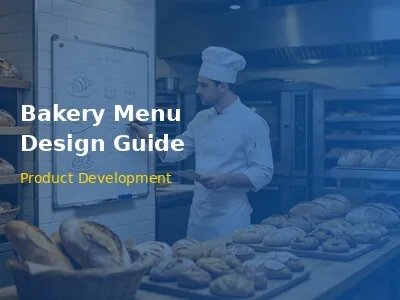
Bakery Menu Design & Product Development Complete Guide: Create a Menu That Sells
After helping bakeries across 30+ countries solve this exact problem, here is what actually works: Bakery A had a 12-page menu with 87 items—every kind of bread, pastry, cake, cookie, and sandwich You might imagine. The display case was overwhelming, the staff couldn't tell you what was fresh, and half the items looked like they'd been sitting there for days. Bakery B had a single-page menu with 28 items, all baked fresh that morning, each one clearly the product of careful thought and testing. Guess which one had lines out the door and which one was for sale?
Quick Answer
Bakery menu design and product development guide: How to create a profitable, appealing bakery menu with the right product mix, pricing, and ongoing innovation. (1) Why menu matters—Menu is your sales tool: It tells customers what you offer, influences what they buy, figure outs your food cost and profitability, shapes customer perception (quality, price point, brand), drives production planning and inventory; A well-designed menu can increase average ticket 15-30%, reduce food cost 5-10%, improve customer satisfaction; A poorly designed menu = confused customers, low margins, wasted ingredients, slow service; Menu engineering is data-driven (not just "what I like to bake")—look at sales, cost, popularity, contribution margin; (2) Menu structure and product mix—Typical bakery menu categories: Bread (artisan loaves, sourdough, baguettes, sandwich bread, specialty breads—staple, high volume, lower margin, builds regulars); Pastries (croissants, danishes, muffins, scones, cinnamon rolls—impulse, higher margin, breakfast crowd); Cakes (whole cakes, slices, custom cakes, cupcakes, layer cakes—high margin, custom/celebration, pre-order); Cookies (drop cookies, decorated cookies, biscotti, macarons—impulse, high margin, easy to produce, gift); Pies/tarts (fruit pies, cream pies, quiches, tarts—seasonal, higher margin, pre-order); Donuts (yeast, cake, filled, specialty—high volume, impulse, breakfast, lower margin but high turnover); Savory (quiches, sandwiches, pot pies, empanadas, pizza—lunch crowd, higher ticket, expands daypart); Beverages (coffee, espresso, tea, hot chocolate, juice—high margin (70-80%), increases ticket, pairs with pastries, cafe experience); Seasonal/limited (pumpkin spice, holiday cookies, king cake, fruit tarts—urgency, excitement, FOMO, premium pricing); Product mix principles: Core products (60-70% of menu—your signature, best-sellers, always available, consistent quality, what customers come for); Seasonal/rotating (20-30%—keeps menu fresh, creates excitement, uses seasonal ingredients, tests new products); Limited/special (10%—experimental, trend-driven, social media buzz, "while supplies last"); Don't have too many products (menu bloat = complexity, waste, inconsistency, slow service; 20-40 SKUs for small bakery is typical; more isn't better); Balance: easy-to-produce (high volume, low labor) vs labor-intensive (specialty, high margin, signature); sweet vs savory (if offering both); breakfast vs lunch vs all-day; Price point mix (entry-level $2-$5, mid $5-$10, premium $10+—gives options, captures different customers); (3) Menu engineering—look at each product by: Popularity (sales volume—how many sold per week/month); Contribution margin (selling price - food cost = profit per item; NOT markup percentage—contribution margin is what matters for paying overhead/profit); Place each product in one of four quadrants: Stars (high popularity + high contribution margin): KEEP, promote, feature, make prominent on menu, ensure always available; these are your winners; Plowhorses (high popularity + low contribution margin): KEEP but improve—raise price slightly, reduce portion/cost, bundle with high-margin item, use as loss leader to drive traffic; these are popular but not quite profitable; Puzzles (low popularity + high contribution margin): KEEP but reposition—better menu placement, description, promotion, pair with popular item, rename, test price reduction; these have profit potential but aren't selling; Dogs (low popularity + low contribution margin): REMOVE or redesign—remove (frees up production capacity, reduces waste, simplifies menu), or redesign (new recipe, presentation, price, name) to become Star/Puzzle; these waste resources; Calculate: Food cost % = (food cost / selling price) × 100 (target 25-35% for bakery, 30-40% for savory, 15-25% for beverages); Contribution margin = selling price - food cost (target $2-$8+ per item depending price); Menu mix % = (item sales / total sales) × 100; look over menu quarterly (sales data, food cost, waste, customer feedback—remove Dogs, promote Stars, test new products); (4) Pricing plan—Cost-based pricing: Food cost percentage method: Price = Food Cost / Target Food Cost % (e.g., food cost $1.50, target 30% = $5.00); Target food cost: bread 30-40%, pastries 25-35%, cakes 25-35%, cookies 20-30%, beverages 15-25%, savory 35-45%; Include ALL costs (ingredients, packaging, labor (direct labor to produce), overhead allocation—don't just price from ingredients); Value-based pricing (what customers willing to pay): study competitors (what do they charge for similar products?—price within range, differentiate on quality/value); Perceived value (customers pay more for: artisan/handmade, organic/local ingredients, unique/signature, custom/personalized, experience/ambiance, brand reputation, convenience); Price from value, not just cost (if customers perceive high value, can charge premium; e.g., artisan sourdough $8-$12 vs supermarket bread $3—customers pay for quality/craft); Psychological pricing: Charm pricing ($4.95 instead of $5.00—perceived as cheaper, though less common in bakeries; $X.95 or $X.50); Bundle pricing (coffee + pastry = $6.50 (vs $7.50 separately—increases average ticket, moves inventory); "meal deals" for lunch); Loss leader (one popular product at low margin to drive traffic (e.g., $1 coffee), then customers buy high-margin pastries); Premium pricing for signature/custom (custom cakes $50-$150+, specialty breads $10-$20—customers pay for customization/quality); Price tiers (good/better/best—e.g., basic muffin $3, specialty muffin $4, giant muffin $5—gives options, most choose middle); Don't underprice (common bakery mistake—charging too little = can't cover costs/labor/overhead = no profit; many bakeries fail because underpriced; calculate true cost, then add profit); Don't overprice (if price > perceived value, customers won't buy; study market, know your customer, price for your market); Price increases (gradual, 3-5%/year to keep up with ingredient/labor costs; communicate ("Because of rising ingredient costs"); don't shock with big jumps; reduce portion instead of raising price if sensitive); (5) Menu design/layout—Menu design principles: Readability (clear font, high contrast, adequate size (12pt+), no clutter, easy to scan—customers decide in 10-30 seconds); Logical flow (categories in order customers think: breakfast → pastries → bread → cakes → cookies → beverages → seasonal; or by popularity (best-sellers first)); point out high-margin items (Stars/Puzzles): boxes/borders, photos, icons ("signature", "chef's pick", "new", "popular"), descriptive text, prime placement (upper right/center of menu—eye focuses there); Descriptions (appetizing, sensory, specific—not just "chocolate croissant" but "buttery, flaky croissant filled with rich Belgian chocolate, baked fresh daily"; descriptions increase sales 10-30%; mention ingredients, origin, method, allergens); Photos (professional, appetizing photos of signature/high-margin items—photos increase sales of that item 20-50%; but don't photo every item (clutter, and if photo doesn't match product, disappointment); 1-3 photos per menu page max); Pricing placement (price at end of description, not in column (column pricing = customers compare by price first; end-of-line = they read description first, then price); no dollar signs (some studies show $符号 increases price sensitivity—though less common in bakeries; test); avoid leader dots (……) which draw eye to price); White space (don't cram—white space point outs items, makes menu readable, looks premium; 30-40% white space); Brand consistency (colors, font, logo, paper/design match brand—menu is marketing piece, reinforces brand); Menu types: Printed menu (for cafe/dine-in—laminated or nice cardstock, change seasonally); Menu board (above counter—large, readable, digital or printed; update easily; shows all items/prices); Counter display (products speak for themselves—label each product with name/price/description; display = best menu); Online menu (website, delivery apps—SEO-improved, photos, descriptions, prices, allergens; easy to understand); QR code menu (for cafe—scan to view, easy to update, no printing cost, but some customers dislike); Menu size: 1 page (front/back) for small bakery, 2-4 pages for larger cafe/bakery; don't make menu novel-length (customers won't read all); (6) Product development process—New product development (NPD) process: Idea generation (sources: customer requests/feedback, seasonal ingredients, food trends (social media, food shows, magazines), competitor products, staff ideas, supplier suggestions, cultural/ethnic inspirations, personal creativity); Idea screening (judge: fits brand/concept? can we produce consistently? food cost target? equipment needed? staff skill? shelf life? allergen considerations? customer demand? differentiate from existing menu?—kill bad ideas early, don't waste time); Concept development (recipe development: test batches, adjust ingredients/proportions/method, figure out final recipe with weights (not volumes—consistency), production method, yield, time, equipment; cost analysis: calculate exact food cost (ingredients + packaging), target food cost %, figure out price; quality standards: appearance, taste, texture, shelf life, plating/presentation standards); Testing (internal: staff taste test, get feedback, adjust; customer: offer as special/limited, get feedback (comment cards, social media, direct ask), track sales; small batch: produce limited quantity, test demand, minimize waste if flop); Launch (if test successful: add to menu, train staff (recipe, production, allergens, selling points), update menu/menu board/website/online ordering, promote (social media, in-store signage, samples, email, "new!" tag), ensure ingredients/supplies available); Monitor (track sales, food cost, customer feedback, waste—if becomes Dog, remove or redesign; if Star, promote/feature); Product development cadence: Seasonal items (4x/year—spring, summer, fall, winter; use seasonal ingredients, create excitement); Limited/special (monthly—test new ideas, keep menu fresh, social media content); Core menu look over (quarterly—menu engineering, remove Dogs, adjust prices/recipes); Major menu refresh (annually—complete look over, update design, add/remove categories); Innovation balance: 70% core (proven, consistent), 20% seasonal/rotating, 10% experimental (trend-driven, risky but high reward); Don't change too often (customers want consistency—their favorite should always be available; but don't stagnate (rotating/seasonal keeps excitement); (7) Allergen and dietary considerations—Allergen management is important: Top 9 allergens (FDA): milk, eggs, fish, crustacean shellfish, tree nuts, peanuts, wheat, soybeans, sesame; Bakery products commonly contain: wheat (flour), milk (butter, cream), eggs, soy (some margarines, emulsifiers), tree nuts/peanuts (fillings, toppings), sesame (some breads, toppings); Label all allergens on menu/product labels (required in many jurisdictions; "contains: wheat, milk, eggs"; or "may contain: tree nuts" for cross-contamination risk); Cross-contamination prevention: separate prep area/utensils for allergen-free products, color-coded tools, dedicated equipment if possible, clean/sanitize between products, staff training, "made in facility that processes [allergens]" warnings; Dietary trends to consider: Gluten-free (10-15% of consumers seek GF—celiac + gluten-sensitive + health-conscious; GF products can be premium priced (20-50% higher); but cross-contamination risk—if offering GF, must be serious about prevention, not just "GF recipe"; dedicated GF kitchen/day is best); Vegan (plant-based, no dairy/eggs—growing 15%+; vegan baking requires alternative ingredients (plant milks, vegan butter, flax/chia eggs, aquafaba); premium pricing; expanding market); Vegetarian (no meat/fish—but dairy/eggs ok; most bakery products already vegetarian unless savory with meat); Dairy-free (lactose intolerant + vegan + health—plant-based alternatives; label clearly); Egg-free (allergy + vegan); Nut-free (allergy—a priority for schools, kids' products; "nut-free facility" is selling point for parents); Low-sugar/reduced-sugar (health trend—consumers want less sugar but still sweet taste; use alternative sweeteners (stevia, monk fruit, erythritol, fruit purees), reduce sugar 20-30% in recipes; label "reduced sugar"); Keto/low-carb (niche but loyal—almond/coconut flour, no sugar, high fat; premium pricing; small batch); Organic (organic flour, sugar, dairy—premium pricing, health/environmentally conscious customers; certification if claiming "organic" (USDA organic rules: 95%+ organic ingredients to label "organic", 70%+ "made with organic"); don't claim organic if not certified); Local ingredients (local flour, eggs, dairy, fruit—story, marketing, premium pricing; "made with local [ingredient] from [farm]"); Don't try to offer everything (can't be GF/vegan/keto/organic/all things to all people—choose 1-2 dietary focus areas that fit your brand/market, do them well; or offer a few GF/vegan options as part of menu, not entire menu); (8) Waste reduction and inventory—Menu impacts waste: Too many products = more waste (can't sell all, ingredients spoil); Poor forecasting = overproduction = waste; Seasonal items = need to manage inventory (don't overbuy seasonal ingredients); Reduce waste through menu: Limited menu (fewer SKUs = less complexity, less waste); Standardized recipes (consistent yield, no overproduction); Batch sizing (produce from demand, not "full batch every time"; smaller batches more frequently for fresh = less waste); Daily production planning (from day of week, weather, events, history—produce what will sell); Day-old programs (day-old bread at discount, bread crumbs, croutons, bread pudding, donate to food bank, feed animals—reduce waste, generate revenue/goodwill); Inventory management: Par levels (minimum stock for each ingredient, reorder when below par); FIFO (first in, first out—use oldest ingredients first, rotate stock, date labels); Storage (proper temp, dry storage 6" off floor, covered, labeled, allergen separation; refrigeration ≤41°F; freezer ≤0°F); Ordering (from production schedule, par levels, sales forecast—don't overorder perishables; don't underorder (run out = lost sales); weekly inventory count (track usage, spot waste/theft, calculate food cost accurately); Supplier relationships (reliable, consistent quality, fair prices, delivery schedule, credit terms; backup suppliers for important ingredients); Food cost tracking: Weekly food cost (actual food cost / food sales × 100—compare to target; if high, look into: waste, overproduction, theft, recipe not followed, price increases); Recipe costing (exact cost per recipe, per unit—update when ingredient prices change; price menu from current costs); Waste log (track what's wasted, why, how much—spot patterns, reduce); (9) Common menu mistakes—[ ] Menu bloat (too many products—confuses customers, increases complexity/waste/inconsistency; 20-40 SKUs typical; more isn't better) [ ] No menu engineering (don't know what's profitable/popular—track sales + cost, apply Stars/Plowhorses/Puzzles/Dogs, look over quarterly) [ ] Underpricing (charge too little—can't cover costs/labor/overhead = no profit; calculate true cost (ingredients + packaging + labor + overhead), price for profit; many bakeries fail from underpricing) [ ] No descriptions (just product name—"croissant" vs "buttery, flaky, 72-layer French croissant, baked fresh daily"; descriptions increase sales 10-30%) [ ] Poor menu layout (hard to read, cluttered, high-margin items not point outed, prices in column—design for readability, point out Stars, appetizing descriptions, white space) [ ] No seasonal/rotating items (same menu forever—stagnant, no excitement, no reason to visit frequently; add seasonal/limited items 4x/year+) [ ] Ignoring customer feedback (customers ask for products you don't offer—listen, test popular requests; customer feedback = free market study) [ ] No allergen labeling (don't label allergens—legal risk, customer safety, lost sales (allergy customers can't buy if unsure); label all allergens, cross-contamination warnings) [ ] Inconsistent recipes (different bakers make product differently—no standardized recipe with weights = inconsistent quality = customer dissatisfaction; standardized recipes, weights not volumes, training) [ ] No photos of signature items (customers don't know what products look like—professional photos of high-margin/signature items increase sales 20-50%) [ ] Too many experimental items (more experimental than core—core is what pays bills; 70% core, 20% seasonal, 10% experimental) [ ] Not updating menu (same menu for years—stale, doesn't reflect trends/costs/feedback; look over quarterly, refresh annually) [ ] Price increases too late (ingredient costs rise but prices don't—margin erodes; gradual 3-5%/year increases, or reduce portion; don't wait until losing money) [ ] No beverage program (just baked goods—beverages have 70-80% margin, increase average ticket $2-$5, pair with pastries, cafe experience; add coffee/espresso/tea if space/equipment) [ ] Savory afterthought (just sweet—savory expands to lunch crowd, higher ticket, different daypart; if offering savory, do it well, not afterthought) [ ] No limited-time offers (no urgency/FOMO—LTOs create excitement, drive visits, test new products, social media content; monthly LTO) [ ] Copying competitors (offer same products as bakery down street—no differentiation; develop signature/unique products, your own recipes, what you're known for) [ ] No production planning (produce full batches regardless of demand = waste; plan from history/day/weather/events, smaller batches more frequently for freshness) [ ] Ignoring food cost (don't track actual food cost—surprised at end of month; weekly food cost calculation, recipe costing, waste log, look into if >target) [ ] Menu not matching brand (menu design/items don't reflect brand—menu is marketing piece, should reinforce brand (colors, font, style, product names, descriptions)) (10) Menu FAQ—Q: How many products should a bakery menu have? A: Typical: 20-40 SKUs (stock keeping units = distinct products) for small/medium bakery. Less than 15: too few (limited choice, customers may not find what they want, lower average ticket); 20-30: ideal for small bakery (focused, manageable, less waste, consistent quality, customers can decide quickly); 30-50: for larger bakery/cafe with multiple categories (bread, pastries, cakes, cookies, savory, beverages, seasonal); More than 50: usually too many (menu bloat = complexity, waste, inconsistency, slow service, staff can't master all products, customers overwhelmed); But depends on concept: Wholesale bakery: more SKUs (supply many customers with varied products); Custom cake shop: fewer regular SKUs, but many custom options (flavors, fillings, sizes—count as variations, not separate SKUs); Ghost kitchen/virtual: can have more (no display, production planning, but still manage complexity); Artisan micro-bakery: fewer (10-20, focus on quality, "less is more", do few things excellently); Cafe/bakery: 30-50 (includes beverages, savory, sweet); Principle: start focused (20-30), add products from demand/capacity, remove underperformers (Dogs); quality > quantity; better to do 20 products excellently than 50 products mediocrely; every product should earn its place (profitable, popular, or strategic (loss leader, signature, traffic driver)). Q: What food cost percentage should I target? A: Varies by category: Bread: 30-40% (flour is cheap, but labor intensive; artisan bread can be 35-45% Because of labor/long fermentation); Pastries: 25-35% (butter is expensive, but higher price point; croissants 30-40% Because of butter/labor); Cakes: 25-35% (custom cakes can be 20-30% (high price, premium), slices 30-40%); Cookies: 20-30% (cheap ingredients, high markup; decorated cookies 15-25% (labor intensive but high price)); Donuts: 25-35% (yeast donuts lower (cheap ingredients), filled/specialty higher); Pies/tarts: 30-40% (fruit can be expensive, seasonal); Savory (quiche, sandwiches): 35-45% (ingredients more expensive, protein/cheese); Beverages (coffee, espresso, tea): 15-25% (highest margin—coffee beans cheap, high price; espresso 10-20% (milk adds cost for lattes)); Overall bakery food cost target: 28-35% (blended across all products); If overall food cost >40%: look into (waste, overproduction, theft, recipe not followed, underpricing, ingredient cost increases); If <20%: maybe underportioning or overpricing (risk customer dissatisfaction); Calculate: Food cost % = (Beginning inventory + Purchases - Ending inventory) / Food sales × 100 (weekly or monthly); Track weekly, compare to target, look into variances; Recipe cost each product (exact ingredient cost per unit, update when prices change); Labor is separate (labor cost 25-35% of sales for bakery); total prime cost (food + labor) target 55-65%; don't confuse food cost with total cost (overhead, labor, profit on top of food cost). Q: How do I price custom cakes? A: Custom cakes are high-margin, but pricing is complex (many variables). Method: 1. Calculate base cost: ingredients (cake layers, filling, frosting, decorations—exact cost per cake size), packaging (cake box, board, inserts), direct labor (hours to bake + decorate × hourly wage—custom cakes are labor-intensive (2-8 hours depending complexity), overhead allocation (rent, utilities, equipment depreciation, marketing—allocate per cake or per labor hour; $5-$20 per cake depending volume); 2. Add profit margin: target 50-70% profit margin on custom cakes (higher than regular products because of customization, skill, time, artistry); Price = Total Cost / (1 - Target Profit Margin %) (e.g., total cost $30, target 60% margin = $75); 3. Price by size/complexity: Basic (simple design, standard flavors, no custom art): $30-$60 (6-8 inch); Custom design (custom colors, simple figurines, writing, themed): $60-$120 (6-10 inch); go into detail (3D, sculpted, multiple tiers, intricate sugar art, custom figurines): $120-$300+ (depends hours/complexity); Wedding cakes: $4-$10 per serving (3-tier 100 servings = $400-$1,000+); 4. Factors affecting price: size/servings (more servings = higher price, but per-serving may decrease for large), complexity/detail (more intricate = more labor = higher), flavors/fillings (premium flavors (raspberry, mango, salted caramel) cost more), decorations (fondant vs buttercream (fondant more labor/expensive), fresh flowers (pass through cost + markup), custom toppers, edible images), delivery/setup (extra fee $20-$100+ depending distance/complexity), rush orders (20-50% premium for <1 week notice), tasting/consultation (charge for tasting $20-$50, apply to order if booked); 5. Market study: what do competitors charge for similar custom cakes? (price within range, differentiate on quality/design/service); don't underprice (custom cakes are luxury/premium, customers expect to pay; underpricing devalues your work and attracts price-shoppers); 6. Policies: deposit (50% non-refundable to secure date—important, covers ingredients/labor if customer cancels), order deadline (2-4 weeks for custom, 1 week for simple—don't accept last-minute complex orders (stress, mistakes)), cancellation policy (deposit non-refundable, balance due 1 week before, no refunds after production begins), contract/written agreement (design, flavors, size, price, date, delivery, policies—prevents misunderstandings); Custom cakes can be quite profitable (60-80% margin) if priced correctly and managed well; they also drive word-of-mouth (customers post photos = marketing); but they're labor-intensive and can distract from daily production—manage volume, don't take more than capacity. Q: Should I offer savory items in my bakery? A: Depends on concept, space, equipment, market—but savory can noticeably boost revenue if done well. Pros of savory: Expands dayparts (breakfast → lunch, not just morning pastry rush; quiche/sandwiches for lunch = afternoon revenue); Higher average ticket (savory + beverage + sweet = $10-$15 vs $3-$5 pastry only); Attracts different customers (lunch crowd, office workers, people wanting meal not just snack); Uses existing equipment (ovens, proofers, refrigeration—marginal additional cost); Increases dwell time (if cafe: customers stay for lunch = more beverage sales, dessert); Differentiation (if other bakeries are sweet-only, savory sets you apart); Cons of savory: Additional complexity (different recipes, ingredients, prep, food safety (meat/dairy), allergens); Food safety risk (meat, dairy, eggs require temperature control, cooling, holding—more regulated than baked goods); Equipment needs (sandwich prep, meat slicer, additional refrigeration, hot holding if serving hot savory); Labor (savory prep is additional work, different skills); Waste (savory has shorter shelf life, more perishable—if not sold, waste); Market demand (is there lunch demand in your location? (office area = yes; residential = maybe less)); If offering savory: Start small (2-3 items: quiche, 1-2 sandwich varieties, soup—test demand, don't overcommit); Do it well (fresh, high-quality ingredients, good flavor, attractive presentation—savory afterthought = bad look overs; if offering, make it signature); Food safety (temperature control, cooling logs, allergen separation, health department compliance—savory with meat/dairy is higher risk); Pricing (35-45% food cost, higher price point ($7-$12), combo deals (savory + beverage + cookie = $12)); Promote (lunch specials, social media, office catering, pre-order for groups); Best savory items for bakery: Quiche (easy to make, uses eggs/dairy/cheese, individual slices, vegetarian options, good for lunch/brunch); Sandwiches (on your own bread (signature!), pre-made or made-to-order, classic combinations, vegetarian options); Soup (seasonal, pairs with sandwich/bread, easy in batch, high margin); Pot pies/empanadas/hand pies (portable, savory pastry, uses your pastry skills, grab-and-go); Pizza/focaccia (uses dough/baking skills, slices, lunch); Salads (if cafe, fresh, pairs with sandwich, but shorter shelf life); If your concept is strictly artisan bread/pastry and You've no capacity/market for savory, don't force it; but if You've space, equipment, and lunch demand, savory can add 20-40% revenue; test with limited menu, measure sales/profit, expand if successful. Q: How often should I change my menu? A: Balance consistency (customers want favorites available) with freshness (new items drive visits/interest). Cadence: Core menu (signature/best-sellers): rarely change (these are what customers come for; keep 80%+ of core consistent; if must change a core item, announce in advance, offer transition, don't remove customer favorite without warning); Seasonal items: 4x/year (spring, summer, fall, winter—use seasonal ingredients, create excitement, holiday items; e.g., pumpkin spice fall, berry tarts summer, hot cross buns spring, fruitcake winter); Limited-time offers (LTOs): monthly or every 2-4 weeks (test new products, create urgency/FOMO, social media content, "while supplies last"; if LTO is hit, consider adding to core/seasonal menu); Menu engineering look over: quarterly (look at sales + food cost, remove Dogs, promote Stars, adjust prices/recipes, spot trends); Major menu refresh: annually (complete look over, update menu design/layout, add/remove categories, reprice, new photos; spring is good time (new year, fresh start)); Don't: change entire menu at once (customers confused, staff retraining, production chaos; evolve gradually); change core favorites (customers come for specific items—if remove their favorite, they may go elsewhere; if must change, do gradually with notice); add too many new items at once (can't execute well, staff overwhelmed, waste; add 1-2 at a time, test, then add more); stagnate (same menu for 2+ years with no new items = boring, no reason to visit frequently, miss trends; rotating/seasonal items keep it fresh); Good way: 80% core (consistent, always available), 20% rotating (seasonal + LTOs, changes regularly); customers know they can get their favorite, but there's always something new to try; this drives both loyalty (consistency) and frequency (new items); communicate changes (social media, in-store signage, email, menu inserts—excitement, "new!", "limited time", "seasonal"); track new item performance (sales, feedback, food cost—if hit, keep; if flop, learn and try something else). Summary: bakery menu design and product development = why menu matters (sales tool, influences purchases, figure outs profitability, shapes perception, drives production; well-designed menu +15-30% average ticket, -5-10% food cost), menu structure/product mix (categories: bread/pastries/cakes/cookies/pies/donuts/savory/beverages/seasonal; mix: 60-70% core, 20-30% seasonal, 10% limited; 20-40 SKUs typical; balance easy vs labor-intensive, sweet vs savory, price points), menu engineering (look at by popularity + contribution margin: Stars (keep/promote), Plowhorses (keep/improve), Puzzles (keep/reposition), Dogs (remove/redesign); look over quarterly), pricing plan (cost-based: food cost % targets by category; value-based: perceived value, competitor study; psychological: charm pricing, bundles, loss leader, premium, tiers; don't underprice; gradual increases), menu design/layout (readability, logical flow, point out high-margin items, appetizing descriptions, photos, pricing placement, white space, brand consistency; menu types: printed/board/display/online/QR), product development process (idea generation → screening → concept development → testing → launch → monitor; cadence: seasonal 4x/year, LTO monthly, core look over quarterly, refresh annually; 70/20/10 innovation balance), allergen/dietary (top 9 allergens, labeling, cross-contamination; trends: GF, vegan, dairy-free, low-sugar, keto, organic, local; choose 1-2 focus areas, don't be everything), waste reduction/inventory (limited menu, standardized recipes, batch sizing, daily production planning, day-old programs; par levels, FIFO, storage, ordering, weekly inventory; weekly food cost tracking, recipe costing, waste log), common mistakes, FAQ. Menu is #1 sales tool—design it strategically, price for profit, engineer from data, innovate regularly, manage allergens/waste, train staff. Done right, menu drives sales, profitability, customer satisfaction, and business growth.
Table of Contents
- Table of Contents
- 1. Why Your Menu Is Your Most important Sales Tool
- 2. Menu Structure: How to Organize Your Bakery Menu
- 3. Menu Engineering: look at What Sells and What Makes Money
- 4. Pricing Psychology: How to Price Bakery Products for Maximum Profit
- 5. Product Development Process: From Idea to Bestseller
- 6. Seasonal Menus: Create Urgency and Drive Repeat Visits
- 7. Menu Design Tips: Layout, Typography, and Visual Hierarchy
- 8. Menu Testing and Optimization: How to Know What Works
- 9. 10 Common Bakery Menu Mistakes (And How to Avoid Them)
If you guessed Bakery B, you're right. And here's the thing—it wasn't that Bakery B had better bakers or better ingredients. It was that they had a better menu. Every item on that menu earned its place. Every price was calculated for profit. Every product had been tested, refined, and proven to sell. Bakery A, on the other hand, had fallen into the trap that so many bakeries fall into: "Let's just make everything and see what sells."
In my 15 years selling bakery equipment to clients in over 40 countries, I've seen this pattern repeat itself more times than I can count. The bakeries that thrive are the ones that treat menu design and product development as serious, systematic business processes—not as creative whims or afterthoughts. This guide is everything I've learned from watching the best bakeries in the world design menus that sell and develop products that customers line up for.
"We used to have 65 items on our menu. We cut it down to 32, and our sales went up 40%. Our food cost went down 8%. Our waste went down 60%. Our staff is happier, our customers are happier, and we're making more money. I wish I'd done it five years earlier." — James, owner of a 1,800 sq ft artisan bakery in Portland, Oregon
Table of Contents
- Why Your Menu Is Your Most important Sales Tool
- Menu Structure: How to Organize Your Bakery Menu
- Menu Engineering: look at What Sells and What Makes Money
- bakery-menu-design-product-development-complete-guide.html#pricing-psychology.html
- bakery-menu-design-product-development-complete-guide.html#product-development.html
- Seasonal Menus: Create Urgency and Drive Repeat Visits
- Menu Design Tips: Layout, Typography, and Visual Hierarchy
- Menu Testing and Optimization: How to Know What Works
- 10 Common Bakery Menu Mistakes (And How to Avoid Them)
- Often Asked Questions
1. Why Your Menu Is Your Most important Sales Tool
Most bakery owners think of their menu as a list of products they make. That's backwards. Your menu is a sales tool—it's the single most powerful driver of what customers buy, how much they spend, and whether they come back. A well-designed menu can increase your average order value by 15-30% without you baking a single extra item or spending a dollar on marketing.
Here's what a great menu actually does:
- Guides customer decisions: Most customers don't know what they want when they walk in. They scan your menu for 10-15 seconds and pick something that catches their eye. A good menu directs that attention to your highest-margin, most popular items.
- Increases average order value: Strategic placement of high-margin add-ons (coffee, cookies, spreads), bundle deals, and "chef's recommendations" encourages customers to spend more than they planned.
- Reduces decision fatigue: A focused menu of 25-35 items helps customers decide quickly. A bloated menu of 60+ items causes analysis paralysis—customers either buy the same thing they always get or leave without buying anything.
- Communicates your brand: Your menu tells customers who You're. Are you a rustic artisan bakery? A modern pastry shop? A neighborhood corner bakery? The design, language, and product selection all communicate your brand identity.
- Drives kitchen efficiency: A menu designed around your equipment and staff capabilities means faster prep, less waste, and consistent quality. A menu that requires 12 different doughs, 8 fillings, and 5 decorating techniques when You've one baker and a spiral mixer is a recipe for burnout and inconsistency.
The Cost of a Bad Menu
I cannot overstate how much money bakeries lose because of poorly designed menus. Here are the real costs I've seen:
| Problem | Typical Cost | Real Example |
|---|---|---|
| Too many items → high waste | 5-15% of revenue | Bakery with 70 items throwing away $800/week in unsold product |
| Low-margin items featured prominently | 3-8% of revenue | $5 fruit tart (20% margin) featured instead of $4 croissant (75% margin) |
| No bundles/add-ons → low AOV | $2-5 per transaction | Customer buys one croissant instead of croissant + coffee + cookie |
| Complex menu → slow service | Lost customers during peak | Customer leaves because line is too long, 10+ such customers per day |
| Inconsistent quality → bad look overs | Long-term revenue decline | 3-star look overs because 20% of items are made by overstretched staff |
Add it all up, and a poorly designed menu can cost a bakery 10-25% of potential revenue. That's not small change—that's the difference between a profitable bakery and one that's barely scraping by.
2. Menu Structure: How to Organize Your Bakery Menu
The first rule of menu structure: customers read menus in predictable patterns. Eye-tracking Research shows most people look at the top-right first, then scan down the right side, then move to the top-left and scan down. The middle of the menu gets the least attention. Understanding this means You can strategically place your highest-margin items where customers are most likely to see them.
The Ideal Bakery Menu Structure (25-35 Items)
After studying menus from hundreds of successful bakeries, here's the structure that works best:
| Category | Number of Items | Typical Margin | Placement Plan |
|---|---|---|---|
| Signature/Bestsellers | 3-5 | 60-80% | Top of menu, point outed, with descriptions |
| Bread & Loaves | 4-6 | 70-85% | Prominent section, high volume driver |
| Pastries & Breakfast | 6-8 | 65-80% | Morning peak section, pair with coffee |
| Cakes & Desserts | 4-6 | 55-70% | High-ticket items, custom orders point outed |
| Cookies & Small Bites | 3-5 | 70-85% | Impulse buy section, near register |
| Savory & Lunch | 3-5 | 55-70% | Expands daypart, optional for small bakeries |
| Beverages | 3-5 | 80-90% | Highest margin, pair with every category |
| TOTAL | 26-39 | - | Ideal range: 25-35 items |
Category Organization Principles
How you organize and name your categories matters just as much as what's in them. Follow these principles:
- Lead with your strongest category: If your sourdough bread is what you're known for, put Bread first. If your pastries are the draw, put Pastries first. Don't lead with "Beverages" just because it's alphabetical.
- Use descriptive, appetizing category names: "Artisan Breads" is better than "Bread." "Morning Pastries" is better than "Pastries." "Sweet Treats" is better than "Desserts." Descriptive names set expectations and increase appetite appeal.
- Limit to 5-7 categories: More than 7 categories and customers get lost. Fewer than 5 and the menu feels limited. 5-7 is the sweet spot.
- Create a "Staff Favorites" or "Bestsellers" section: This is where you put your highest-margin, most popular items. Customers trust social proof—if you say it's a bestseller, they're more likely to order it. Put this section at the quite top of the menu.
- Put beverages last (but make them visible): Beverages are the highest-margin add-on, but they shouldn't lead the menu. Put them at the end, but make sure they're visible on every table counter card and near the register.
Important Insight: The "Bestsellers" or "Staff Favorites" section is the highest-ROI real estate on your menu. Items placed here sell 20-50% more than the same items placed in their regular category. Use this space for your highest-margin items, not necessarily your highest-volume items. You want to push customers toward the items that make you the most money.
3. Menu Engineering: look at What Sells and What Makes Money
Menu engineering is a data-driven way to menu optimization that was developed by restaurant industry consultants in the 1980s and has been refined ever since. The core idea is simple: look at every menu item from two dimensions—popularity (how many you sell) and profitability (how much gross profit each sale generates)—then categorize items into four groups and take specific action for each group.
I've seen bakeries increase profits by 15-25% just by doing a proper menu engineering analysis and making the recommended changes. It's not magic—it's just looking at your data and making smart decisions from what it tells you.
The Four Menu Engineering Categories
Stars
High popularity + High profit
Your best items. Customers love them and they make you money. Action: Feature prominently, keep consistent quality, use as loss-leader anchors.
🐴 Plow Horses
High popularity + Low profit
Items that sell well but don't make much money. Action: Raise price slightly, reduce ingredient cost, reposition to increase margin, or pair with high-margin add-ons.
🧩 Puzzles
Low popularity + High profit
Items that make great money but few people order. Action: Rename for better appeal, improve description, feature as "chef's pick," or test if there's a market at all.
🐕 Dogs
Low popularity + Low profit
Items that don't sell and don't make money. Action: Remove from menu. These items take up space, create waste, and distract from your winners. Be ruthless.
How to Do a Menu Engineering Analysis (Step by Step)
You don't need fancy software—a spreadsheet works fine. Here's exactly how to do it:
- Gather 4 weeks of sales data: Pull a report from your POS showing quantity sold and total revenue for every menu item. Four weeks is enough to smooth out daily variation but short enough to be current.
- Calculate food cost for every item: For each menu item, calculate the exact cost of ingredients. This includes everything—flour, butter, sugar, yeast, salt, packaging, even the little paper liner under the pastry. Be precise. If you don't know your food cost, You can't do menu engineering.
- Calculate gross profit per item: Gross Profit = Selling Price - Food Cost. This is how much money you make on each sale before labor, rent, and other overhead.
- Calculate total gross profit per item: Total GP = Gross Profit per Item × Quantity Sold. This tells you which items contribute the most total profit to your business.
- Calculate popularity (menu mix %): Menu Mix % = (Quantity Sold of Item / Total Quantity Sold of All Items) × 100. This tells you what percentage of total items sold each item represents.
- figure out thresholds: The standard threshold for popularity is 70% of the average (if average item sells 7% of total, threshold is ~5%). For profitability, compare each item's gross profit to the average gross profit of all items.
- Categorize each item: From the thresholds, put each item into Stars, Plow Horses, Puzzles, or Dogs.
- Take action: For each category, put in place the recommended actions. Remove Dogs immediately. Reprice Plow Horses. Reposition Puzzles. Feature Stars.
Real Example: A Bakery Menu Engineering Analysis
Here's a real (anonymized) example from a client bakery in Toronto. They had 42 items on their menu. After the analysis:
| Category | Count | Action Taken | Result |
|---|---|---|---|
| Stars | 8 | Moved to "Bestsellers" section, added descriptions | +18% sales |
| 🐴 Plow Horses | 12 | Raised prices 5-10%, switched to cheaper suppliers for 3 items | +7% margin |
| 🧩 Puzzles | 7 | Renamed 4 items, improved descriptions, featured 2 as "chef's pick" | 3 items improved, 4 removed |
| 🐕 Dogs | 15 | Removed all 15 items from menu | -60% waste, +12% profit |
| TOTAL IMPACT | 42→27 items | Menu overhaul | +22% net profit |
They removed 15 items (36% of their menu!) and their profit went up 22%. Their waste went down 60%. Their customers didn't miss any of the removed items. This is the power of menu engineering.
4. Pricing Psychology: How to Price Bakery Products for Maximum Profit
Pricing is part art, part science, and part psychology. Most bakery owners price their products by calculating food cost and multiplying by 3 or 4. That's a starting point, but it leaves Many money on the table. The best bakery owners understand that customers don't buy from your cost—they buy from perceived value. And perceived value can be influenced by how you present prices.
Pricing Psychology Techniques That Work for Bakeries
1. Charm Pricing (Ending in .95 or .99)
Prices ending in .95 or .99 feel noticeably cheaper than round numbers, even though the actual difference is only 1-5 cents. A croissant at $3.95 feels like "about $3" while $4.00 feels like "$4." This is one of the most well-documented pricing effects in consumer psychology. For bakery items, use .95 for premium items and .99 for standard items. Avoid .00 fully.
2. Price Anchoring (Put a High-Priced Item First)
Customers judge prices relative to what they see first. If the first item on your menu is a $45 custom cake, then a $6 croissant seems reasonable. If the first item is a $2 cookie, then that same $6 croissant seems expensive. Put your highest-priced, highest-perceived-value item at the top of each category to anchor price expectations downward for everything else.
3. Decoy Pricing (Add a Middle Option)
When You've three options, most people choose the middle one. This is called the "decoy effect." For example, if you offer coffee in small ($3) and large ($5), many people choose small. Add a medium ($4.50), and most people choose large because it seems like a better value than medium. Apply this to coffee, cookie boxes, bread subscriptions, and any category where You can offer multiple sizes.
4. Bundle Pricing (Increase Perceived Value)
Bundling items together makes customers feel like they're getting a deal, even if the total price is the same as buying items individually. "Breakfast Bundle: Croissant + Coffee + Fruit = $8.95" (value $10.50) feels like a bargain. Bundles also increase average order value by encouraging customers to buy items they wouldn't have purchased individually. Aim for 2-3 bundles on your menu, positioned prominently.
5. Remove the Dollar Sign
Research shows menus with prices written as "4.95" instead of "$4.95" result in higher spending. The dollar sign triggers "pain of paying"—customers are reminded that they're spending money. Removing it makes the price feel less like a cost and more like a number. On your printed menu, write prices as "4.95" without the $. On digital menus and POS displays, it's fine to keep the $ for clarity.
6. Use Descriptive Names to Justify Higher Prices
"Croissant" costs $3.50. "Butter Croissant, 27-Layer Laminated Dough, French Imported Butter, 72-Hour Fermentation" costs $4.95. Same product, but the descriptive name justifies a 40% higher price because it communicates quality and craftsmanship. Every item on your menu should have a descriptive name that point outs what makes it special—ingredients, technique, origin, tradition. This isn't deception—it's communicating value that customers would otherwise not know about.
The Right Way to Calculate Prices
Psychology gets you in the ballpark, but You should start with cost-based pricing to ensure profitability. Here's the formula I recommend:
Step 1: Calculate Total Food Cost (TFC) = all ingredients + packaging
Step 2: Calculate Target Price = TFC ÷ Target Food Cost %
• Bread: Target Food Cost = 15-20% → multiply by 5-6.7x
• Pastries: Target Food Cost = 20-25% → multiply by 4-5x
• Cakes: Target Food Cost = 20-25% → multiply by 4-5x
• Cookies: Target Food Cost = 15-20% → multiply by 5-6.7x
• Beverages: Target Food Cost = 10-15% → multiply by 6.7-10x
Step 3: Adjust for perceived value, competition, and psychology (round to .95/.99)
The important insight: different product categories should have different food cost percentages. Bread and beverages should have quite low food costs (high margin) because they're high-volume, low-labor items. Cakes and savory items can have slightly higher food costs because they're higher-ticket items. If you use a blanket 3x markup across all categories, you're either underpricing your bread or overpricing your cakes.
5. Product Development Process: From Idea to Bestseller
New product development is the lifeblood of a bakery. Customers love novelty—they get excited about new items, they post about them on social media, and they come back specifically to try them. But most bakeries way new product development haphazardly: the baker feels like making something new, they test it once, put it on the menu, and then wonder why it doesn't sell. The best bakeries have a systematic product development process that turns ideas into bestsellers consistently.
The 7-Step Product Development Process
Step 1: Ideation (Generate 10-20 Ideas)
Great products start with great ideas, but you need volume—most ideas won't make it. Generate ideas from four sources:
- Customer feedback: What do customers ask for? What do they post about? What complaints do you hear? ("I wish You'd a vegan option" = product idea.)
- Trend watching: What's trending on Instagram/TikTok? What are bakeries in other cities doing? What flavors are popping up in food media? (Matcha, ube, yuzu, miso caramel—all started as trends before becoming mainstream.)
- Menu gaps: Look at your menu engineering analysis. Are there categories with no Stars? Are there customer needs not being met? (If You've no gluten-free options and customers keep asking, that's a gap.)
- Staff creativity: Your bakers have ideas. Hold a monthly brainstorming session where everyone brings 2-3 product ideas. Offer a bonus ($50-$100) for any idea that becomes a permanent menu item.
Step 2: Concept Screening (Narrow to 3-5 Ideas)
Not every idea is worth pursuing. Screen each idea against these criteria:
- Does it fit your brand? A $200 luxury cake doesn't fit a neighborhood corner bakery. A $2 donut doesn't fit an artisan pastry shop.
- Can you make it with your existing equipment? If it requires a new oven or special machine you don't have, reason that cost in. (If you need a rotary oven for volume, that's an investment to consider.)
- Is the food cost acceptable? Estimate the food cost. If it's over 35%, it's probably not profitable enough.
- Is the labor manageable? If it requires 30 minutes of skilled labor per item, you'll never make money at a reasonable price.
- Is there proven demand? Have customers asked for it? Is it selling well at other bakeries? Is there social media buzz?
Step 3: Recipe Development (3-5 Iterations)
This is where the baking magic happens. Develop the recipe through multiple iterations:
- Iteration 1: Base recipe. Get the flavor and texture in the ballpark.
- Iteration 2: Refine flavor. Adjust sweetness, salt, acidity, aromatic components.
- Iteration 3: Refine texture. Crumb structure, crust, mouthfeel, shelf life.
- Iteration 4: Cost optimization. Can you reduce expensive ingredients without sacrificing quality? Can you simplify the process?
- Iteration 5: Production test. Make a full batch (not just a test batch) to ensure the recipe scales and works in your production environment.
Document everything—weights, temperatures, times, techniques. A great recipe that isn't documented is worthless when your head baker leaves.
Step 4: Internal Tasting and Feedback
Before you put anything in front of customers, test it internally. Gather your staff (not just the bakers—front-of-house staff have great palates and know what customers like) and do a blind tasting. Score each item on:
- Flavor (1-10)
- Texture (1-10)
- Visual appeal (1-10)
- Would you buy this? (Yes/No)
- What would you pay for this? (Open-ended)
If an item doesn't score 8+ on flavor and texture and at least 70% of staff say they'd buy it, go back to recipe development. Don't put mediocre products on your menu—they dilute your brand and take space from winners.
Step 5: Market Test (2-4 Weeks, Limited Time)
This is the most matters step—and the one most bakeries skip. Don't just add a new item to the menu permanently. Test it as a "limited time" item for 2-4 weeks. Track:
- Sales volume: How many do you sell per day? Compare to your average item.
- Customer feedback: Ask customers what they think. Read social media comments. Watch for repeat purchases.
- Waste: How much do you throw away? If you're making 20 a day and selling 8, that's a problem.
- Production impact: Does it slow down your kitchen? Does it require special handling that disrupts your flow?
- Attach rate: Do customers buy it with other items? Does it increase average order value?
Set clear criteria for success before the test. Example: "If we sell 15+ per day with less than 10% waste and 4+ star customer feedback, it goes on the permanent menu." If it doesn't meet the criteria, it's gone—no sentimentality, no "let's give it another month." Data-driven decisions only.
Step 6: Full Launch (If Test Is Successful)
If the test is successful, launch the item properly. This means:
- Add it to the permanent menu with a descriptive name and compelling description
- Feature it in your "Bestsellers" or "New" section for the first month
- Promote it on social media with professional photos
- Train staff to recommend it ("Have you tried our new ___? It's been quite popular.")
- Update your recipe documentation and train all bakers on the production process
Step 7: Post-Launch look over (After 3 Months)
Three months after launch, do a full look over. Run the item through your menu engineering analysis. Is it a Star, Plow Horse, Puzzle, or Dog? Take appropriate action. The product development process doesn't end at launch—it's a cycle of continuous improvement.
Success Rate Reality Check: Only about 20-30% of new product ideas become permanent menu items. That's normal and healthy. If 80% of your ideas make it to the menu, you're not screening hard enough and your menu will fill up with mediocre items. The goal isn't to launch as many new products as possible—it's to launch products that become bestsellers.
6. Seasonal Menus: Create Urgency and Drive Repeat Visits
Seasonal menus are one of the most underused growth levers in bakery marketing. They create urgency ("limited time only!"), tap into natural customer excitement (pumpkin spice season! strawberry season!), and give customers a reason to come back repeatedly throughout the year. A bakery with a strong seasonal program can see 15-30% revenue lift during peak seasonal periods.
The Annual Bakery Seasonal Calendar
Here's a proven seasonal calendar that works for most bakeries. Adjust from your location and local holidays:
| Season | Months | Important Themes/Flavors | Hero Products |
|---|---|---|---|
| ❄️ Winter | Dec-Feb | Christmas, Valentine's, citrus, gingerbread, chocolate, cinnamon | Gingerbread cookies, stollen, panettone, chocolate croissants, citrus tarts |
| 🌸 Spring | Mar-May | Easter, Mother's Day, berries, floral, lemon, rhubarb | Hot cross buns, lemon tarts, strawberry danishes, rhubarb galettes, carrot cake |
| ☀️ Summer | Jun-Aug | 4th of July, stone fruit, tropical, coconut, mango, iced drinks | Peach crostatas, mango danishes, coconut cream pie, fruit tarts, cold brew |
| 🍂 Fall | Sep-Nov | Pumpkin spice, apple, caramel, maple, Halloween, Thanksgiving | Pumpkin bread, apple fritters, caramel danishes, maple pecan rolls, pie |
How to Run a Successful Seasonal Menu Program
- Plan 3 months ahead: Don't decide on pumpkin items in October. Start recipe development in July, finalize recipes in August, order ingredients in September, launch October 1. Planning ahead ensures You've time to test and perfect items before the season starts.
- Keep it focused (3-5 items per season): Don't do 15 seasonal items. Pick 3-5 hero products that represent the season, and do them exceptionally well. Too many seasonal items dilute the impact and increase complexity.
- Create urgency with "limited time" framing: "Pumpkin Spice Croissants—Available Through November Only!" Customers are more likely to buy if they know it's going away. Put end dates on all seasonal items.
- Promote heavily for the first 2 weeks: The launch window is important. Post daily on social media, send an email to your list, put up signage, train staff to recommend seasonal items. The first 2 weeks figure out whether the seasonal program is a hit or a flop.
- Bring back the winners every year: If your pumpkin bread sells out every day in October, it becomes a tradition. Customers will look forward to it and come back specifically for it. Build annual rituals around your best seasonal items.
- Retire the losers: If a seasonal item doesn't sell, don't bring it back next year. Use your sales data to make decisions. Every season, keep 60-70% of items from last year and introduce 30-40% new items.
7. Menu Design Tips: Layout, Typography, and Visual Hierarchy
Your menu's physical design matters as much as its content. A well-designed menu guides the customer's eye to your highest-margin items, makes ordering fast and easy, and communicates your brand. A poorly designed menu confuses customers, hides your best items, and costs you sales. Here are the design principles that the best bakery menus follow:
Layout Principles
- One page if possible: A single-page menu (front and back) is ideal. Folded menus with multiple pages cause customers to miss items. If You've to use multiple pages, put your highest-margin items on the first and last pages (most viewed).
- Use the "golden triangle": Customers look at the top-center first, then top-right, then top-left. Place your highest-margin items in these zones. The center of the page gets the least attention—don't waste it on Stars.
- White space is your friend: Don't cram every inch with text. White space (empty space around items) makes the menu feel premium and draws attention to the items that are there. A crowded menu feels cheap and overwhelming.
- Use boxes for featured items: Put a box around your "Bestsellers" or "Chef's Pick" items. Boxes draw the eye and increase sales of boxed items by 20-30%. Use 1-2 boxes per menu page, not more.
- Group items logically: Customers expect to find bread in the bread section, pastries in the pastry section. Don't get clever with category organization—follow customer expectations. Logical grouping reduces decision time and frustration.
Typography Principles
- Maximum 2-3 fonts: Use one font for headers/category names, one for item names, and one for descriptions/prices. More than 3 fonts looks chaotic and unprofessional.
- Minimum 12pt font size: If customers need reading glasses to see your menu, you've lost them. Item names should be 14-16pt, descriptions 10-12pt, prices 12-14pt.
- Use font weight to create hierarchy: Bold item names, regular weight descriptions, light weight prices. This creates visual hierarchy and guides the eye naturally. Don't bold everything—if everything is bold, nothing stands out.
- Match fonts to your brand: A rustic artisan bakery should use a serif or handwritten font. A modern pastry shop should use a clean sans-serif. A French patisserie should use an elegant script font. Your fonts communicate your brand before customers read a single word.
- Don't use ALL CAPS for item names: ALL CAPS is harder to read and feels like shouting. Use title case or sentence case for item names. Reserve ALL CAPS for category headers if at all.
Visual Hierarchy and Pricing Display
- Use descriptive names, not just product names: "Sourdough" → "72-Hour Fermented San Francisco Sourdough, Stone-Ground Flour." Descriptive names increase sales by 15-30% and justify higher prices.
- Include 1-sentence descriptions for important items: For your highest-margin items, include a 10-15 word description that sells the experience: "Flaky, buttery croissant with 27 layers of French butter, baked fresh every morning." Descriptions increase perceived value and sales.
- Align prices in a column, not at the end of descriptions: If prices are at the end of each description, customers read the description and then see the price. If prices are in a separate column, customers scan down the price column first and compare prices. You want them to read the description first, then see the price.
- Don't use leader dots (.....): Leader dots between item name and price draw the eye to the price and encourage price comparison. Use white space instead.
- Use photos sparingly and professionally: One professional photo per page can increase sales of that item by 30%. But blurry phone photos decrease sales. If you use photos, make them professional. When in doubt, no photo is better than a bad photo.
8. Menu Testing and Optimization: How to Know What Works
A menu is never "done." It's a living document that should be tested, measured, and improved continuously. The best bakeries treat menu optimization as an ongoing process, not a one-time event. Here's how to test and improve your menu for maximum performance.
A/B Testing Menu Changes
A/B testing means trying two versions of something and seeing which performs better. For menus, You can A/B test:
- Item names: "Chocolate Croissant" vs "Dark Chocolate Croissant, 70% Cacao" — which sells more?
- Prices: $3.95 vs $4.25 — does the higher price reduce volume enough to lower total profit?
- Menu placement: Item in "Bestsellers" section vs regular category — does placement increase sales?
- Descriptions: With description vs without — does the description justify a higher price?
- Bundle pricing: Individual items vs bundle — does the bundle increase average order value?
Run each test for 2-4 weeks to get statistically meaningful data. Don't change multiple things at once—if you change the name, price, and placement simultaneously, you won't know which change caused the result. Change one variable at a time, measure, then move to the next.
Important Metrics to Track
| Metric | How to Calculate | What It Tells You |
|---|---|---|
| Average Order Value (AOV) | Total Revenue ÷ Number of Orders | Are customers buying more per visit? Bundles and add-ons should increase this. |
| Item Attach Rate | Orders with Item ÷ Total Orders | What percentage of customers buy each item? High attach rate = popular. |
| Menu Mix % | Item Quantity ÷ Total Quantity | What share of total items sold does each item represent? |
| Gross Profit per Item | Price - Food Cost | How much money does each sale contribute to profit? |
| Total Gross Profit | GP per Item × Quantity Sold | Total profit contribution of each item. The most important metric. |
| Waste % | Unsold ÷ Produced × 100 | How much of each item is thrown away? High waste = overproduction or low demand. |
| Repeat Purchase Rate | Customers who buy again ÷ Total customers | Do customers come back for this item? High repeat rate = loyal favorite. |
The Quarterly Menu look over Process
Every quarter (every 3 months), do a formal menu look over. Here's the process:
- Pull the data: Generate a full sales report for the quarter. Include quantity sold, revenue, food cost, gross profit, and waste for every item.
- Run menu engineering analysis: Categorize every item into Stars, Plow Horses, Puzzles, Dogs.
- Make decisions: Remove Dogs. Reprice/reposition Plow Horses. Rename/feature Puzzles. Keep and feature Stars.
- look over seasonal items: judge last season's items. Keep winners, retire losers. Plan next season's items.
- Plan new product tests: spot 2-3 new items to test in the next quarter. Start recipe development.
- Update the menu: put in place all changes. Print new menus, update digital menus, train staff.
- Communicate changes: Tell staff what changed and why. Train them on new items and updated recommendations.
9. 10 Common Bakery Menu Mistakes (And How to Avoid Them)
Mistake #1: Too many items
The #1 mistake I see. Bakeries think more choice = more sales. The opposite is true. More items = more waste, more complexity, slower service, lower quality, and decision fatigue for customers. Fix: Cut to 25-35 items. Use menu engineering to spot and remove Dogs. You'll sell more of fewer items and make more money.
Mistake #2: Pricing from competition, not cost
"The bakery across the street charges $3.50 for a croissant, so I will too." But their croissant might cost $1.00 to make (65% margin) while yours costs $1.75 (50% margin). You're not comparing apples to apples. Fix: Price from your food cost and target margin, then adjust for perceived value and competition. Know your numbers.
Mistake #3: No menu engineering analysis
Most bakery owners have no idea which items make them money and which lose money. They keep items on the menu because "we've always had it" or "the baker likes making it." Fix: Do a menu engineering analysis at least twice a year. Remove Dogs ruthlessly. Your menu should be data-driven, not sentiment-driven.
Mistake #4: Boring, non-descriptive item names
"Bread," "Croissant," "Cookie"—these names tell customers nothing and don't justify premium pricing. Fix: Every item should have a descriptive name that point outs ingredients, technique, or origin. "72-Hour Sourdough," "27-Layer French Butter Croissant," "Brown Butter Chocolate Chip Cookie." Descriptive names increase sales and perceived value.
Mistake #5: No seasonal or limited-time items
A static menu that never changes gives customers no reason to come back except for their usual order. Seasonal items create excitement, urgency, and repeat visits. Fix: Introduce 3-5 seasonal items every season. Promote them heavily. Create annual traditions around your best seasonal items.
Mistake #6: Poor menu design and layout
A menu that's hard to read, poorly organized, or visually unappealing costs you sales. Customers can't buy what they can't find. Fix: Invest in professional menu design. Use the layout, typography, and visual hierarchy principles in this guide. A $200 menu redesign can pay for itself in increased sales within a week.
Mistake #7: No bundles or combo deals
Most customers buy one item and leave. Bundles encourage them to buy more, increasing average order value. Fix: Create 2-3 bundles (breakfast bundle, coffee + pastry, family box) positioned prominently on your menu. Bundles can increase AOV by 15-25%.
Mistake #8: Keeping items that don't sell out of sentiment
"My grandmother invented this recipe" or "This was the first item we ever sold" are not good reasons to keep an item on the menu that doesn't sell. Sentimental items can be special order only, not taking up valuable menu real estate. Fix: If an item is a Dog (low sales, low profit), remove it from the menu. Offer it as a special order for customers who specifically ask. Menu space is valuable—use it for items that sell.
Mistake #9: Not training staff on menu recommendations
Your staff are your best sales tool, but most bakeries don't train them to recommend specific items. "What do you recommend?" "Uh, everything is good." That's a lost sale. Fix: Train staff to recommend specific high-margin items. "Our most popular item is the almond croissant—it's made with French imported butter and 24-hour laminated dough. Would you like to try one?" Give staff scripts and incentives for upselling.
Mistake #10: Never updating the menu
A menu that hasn't changed in 3 years is stale. Customer preferences change, food costs change, trends come and go. A static menu becomes less relevant over time. Fix: Do a formal menu look over every quarter. Make small updates continuously. Do a major menu overhaul every 1-2 years. Your menu should evolve with your business and your customers.
📋 Bakery Equipment Checklist
Download our complete bakery equipment checklist with budget estimates for 5 different bakery types.
Free Bakery Equipment Checklist →📋 Bakery Equipment ROI Calculator
Use our interactive ROI calculator to see how quickly your bakery equipment investment pays off.
Calculate Your Equipment ROI →📋 Bakery Equipment Maintenance Calendar
Get our printable maintenance calendar to keep your bakery equipment running at peak performance.
Printable Maintenance Calendar →📋 Bakery Equipment Energy Cost Calculator
Estimate your bakery equipment energy costs and find ways to reduce your utility bills.
Calculate Energy Costs →🏭 Bakery Equipment Capacity Calculator
Not sure what size equipment you need? Use our free interactive calculator to find the perfect dough divider, mixer, oven, and proofer capacity for your production volume.
Calculate Your Equipment Needs →⚖️ Bakery Equipment Comparison Tool
Compare dough dividers, spiral mixers, ovens, proofers and dough sheeters side by side. View specs, prices, capacity and features to find the best equipment for your bakery.
Compare Equipment Now →10. Often Asked Questions
Q: How many items should be on a bakery menu?
A well-designed bakery menu should have 20-40 items total, organized into 4-6 categories. Too few items limits customer choice and average order value; too many items overwhelms customers, slows down decision-making, and increases kitchen complexity and waste. The most successful bakeries focus on doing 25-30 items exceptionally well rather than offering 60+ mediocre items.
Q: What is menu engineering and how does it apply to bakeries?
Menu engineering is a systematic way to analyzing menu items from their popularity (sales volume) and profitability (gross margin). Items are categorized into four groups: Stars (high popularity, high profit), Plow Horses (high popularity, low profit), Puzzles (low popularity, high profit), and Dogs (low popularity, low profit). For bakeries, this analysis helps you decide which items to feature prominently, which to reprice, which to reposition, and which to remove from the menu fully.
Q: How often should a bakery update its menu?
Core menu items should stay consistent for 6-12 months to build customer familiarity and loyalty. However, seasonal items should be rotated every 1-3 months to keep the menu fresh and drive repeat visits. Most successful bakeries do a full menu look over every quarter, keeping 70-80% of core items and rotating 20-30% seasonal or limited-time items. Major menu overhauls should happen no more than once a year.
Q: How do I develop a new bakery product that sells?
Successful new product development follows a structured process: (1) Ideation from customer feedback, trends, and gaps in your current menu; (2) Concept development defining flavor, texture, price point, and target customer; (3) Recipe testing and refinement with 3-5 iterations; (4) Internal tasting and feedback from staff; (5) Limited-time market test (2-4 weeks) with real customers; (6) Sales and feedback analysis; (7) Full launch if the test is successful. Only about 20-30% of new product ideas become permanent menu items, and that's normal.
Q: What are the most profitable bakery menu items?
The most profitable bakery items typically have food costs under 25% and high perceived value. Top performers include: artisan breads (food cost 15-20%, high volume), croissants and laminated pastries (food cost 20-25%, premium pricing), custom cakes (food cost 20-25%, high ticket value), cookies and biscuits (food cost 15-20%, addictive repeat purchases), and coffee and beverages (food cost 10-15%, high margin add-ons). The least profitable items are typically those with expensive ingredients (imported chocolate, fresh fruit), complex labor-intensive preparation, or low price points.
Q: Should I offer seasonal menu items?
Yes, seasonal items are one of the most effective ways to drive repeat visits and create excitement. Seasonal items use naturally available ingredients (pumpkin in fall, berries in summer), tap into holiday spending (Christmas, Easter, Valentine's Day), and create urgency (limited time only). Aim for 3-5 seasonal items per season, promoted heavily for 4-8 weeks. Seasonal items typically generate 15-25% of revenue during their peak season and attract customers who wouldn't visit otherwise.
The Big Picture
Your menu is the bridge between your bakery's craftsmanship and your customers' wallets. A great menu doesn't just list products—it sells them. It guides customers to your highest-margin items, increases average order value, reduces waste, and builds your brand. A poor menu does the opposite: it confuses customers, hides your best products, and leaves money on the table.
The good news is that menu design and product development are skills You can learn. You don't need to be a marketing genius or a culinary artist. You should be systematic: look at your data, follow a structured product development process, test new items, remove what doesn't work, and continuously improve. Do this consistently, and your menu will become one of your most powerful business tools.
And remember—great menus are supported by great equipment. If your menu is growing and your production can't keep up, it might be time to upgrade your equipment. A dough divider rounder can speed up your bread production. A rotary oven can increase your baking capacity. A spiral mixer can handle larger dough batches. Our customers range from small neighborhood bakeries to industrial food factories, and we support them all the same. Reach out to us for a free consultation on your equipment needs.
Ready to improve Your Bakery Production?
As your menu grows and sales increase, you need equipment that can keep up with demand. HNH Bakery Equipment offers commercial-grade ovens, mixers, and dough processing equipment designed for high-volume bakeries.
View Our EquipmentRelated Articles
Learn More
- 👉 Bakery Equipment Selection Complete Guide: Choose by Output & Product
- 👉 Bakery Equipment Maintenance Schedule: Daily, Weekly, Monthly, Yearly
- 👉 Dough Divider Rounder Troubleshooting: 15 Common Problems & Solutions
- 👉 Small Bakery Equipment ROI & Payback Period Calculator
- 👉 Bakery Equipment Energy Consumption & Energy Saving Guide
- 👉 Bakery Equipment Food Safety & Hygiene Compliance Complete Guide
📖 More Bakery Equipment Guides
Related Articles
Related Products
Ready to Upgrade Your Bakery?
Get a free quote on commercial bakery equipment from HNH.