Commercial Bakery Equipment Financing and Leasing Guide

How to Get the Equipment You Need Without Breaking the Bank

Quick Answer

Bakery equipment financing and leasing guide: How to finance bakery equipment purchase through loans, leasing, and other options. (1) Why finance bakery equipment? Bakery equipment is expensive ($8K-$200K+ for full setup). Financing lets you: preserve cash flow (don't drain savings/operating capital), get equipment now (start generating revenue immediately, rather than saving for months/years), match expense to revenue (equipment generates income while you pay for it), tax benefits (interest deductible, depreciation, lease payments), upgrade sooner (better equipment = better quality/efficiency = more revenue), keep credit lines available (equipment loan doesn't use up business credit line). (2) Equipment financing options—Equipment loans (term loans): Borrow lump sum to buy equipment, equipment as collateral, fixed monthly payments over 3-7 years, interest 8-15% (depending credit, term, lender), you own equipment from day one, pay off loan → own free and clear. Best for: established businesses with good credit, equipment that holds value long-term (ovens, mixers). Pros: own equipment, build equity, no mileage/usage restrictions, can customize/modify. Cons: down payment (10-20%), higher monthly than lease, responsible for maintenance/repairs, risk of obsolescence. Equipment leasing: Rent equipment for fixed term (2-5 years), monthly payments, at end: return equipment, renew lease, or buy for fair market value (FMV) or $1 (depending lease type). Lessor owns equipment during lease. Two types: Operating lease (true lease—lower payments, return at end, no ownership, best for technology/short-term use), Capital/finance lease (higher payments, $1 buyout at end, you effectively own, best for long-term equipment). Best for: new businesses, equipment that changes fast (POS, digital controls), want lower monthly payments, want to upgrade frequently. Pros: lower monthly (no down payment, 100% financing), flexible terms, upgrade at end, maintenance may be included (full-service lease), tax benefits (lease payments deductible). Cons: don't own (unless buyout), total cost higher over long term, usage restrictions (hours, condition), early termination fees, must return in good condition. Supplier/manufacturer financing: Equipment supplier offers financing directly (0% interest for 6-12 months, or low-interest longer terms). Often easiest approval (supplier wants to make sale), may require down payment. Best for: purchasing from supplier that offers financing, want simple one-stop process. Pros: easy application, competitive rates (subsidized by supplier), bundled with equipment purchase, may include service/maintenance. Cons: limited to that supplier's equipment, may have higher rates after promotional period, read fine print (balloon payments, prepayment penalties). SBA loans (USA): Small Business Administration guarantees loans made by banks, lower interest (6-10%), longer terms (5-25 years), higher approval rates for new/small businesses. Types: 7(a) loan (general purpose, up to $5M, can use for equipment), CDC/504 loan (fixed assets like equipment/real estate, up to $5.5M, low down payment 10%), Microloan (up to $50K, for small needs). Best for: US small businesses, need larger amounts, want low rates/long terms. Pros: low interest, long terms, lower down payment, higher approval. Cons: Many paperwork, slow approval (2-3 months), personal guarantee, strict eligibility. Business line of credit: Revolving credit line (like credit card), draw as needed, pay interest only on amount used, repay and reuse. Best for: short-term needs, cash flow gaps, multiple small equipment purchases. Pros: flexible, use only what you need, interest only on borrowed amount, reusable. Cons: higher interest (10-20%), lower limits, may require good credit, variable rates. Credit cards: Business credit cards for small purchases (<$5K), 0% intro APR offers (12-18 months), rewards/cash back. Best for: small equipment, tools, supplies, short-term financing. Pros: easy, instant, rewards, 0% intro offers. Cons: high interest (15-25% after intro), low limits for large equipment, not for long-term financing. Personal savings/bootstrapping: Use personal savings to buy equipment outright. Best for: small purchases, have savings available, want no debt. Pros: no interest, no payments, own equipment free and clear, simplest. Cons: drains savings (risk if business needs cash), may not have enough for full setup, opportunity cost (could invest savings elsewhere). Crowdfunding: Raise money from community (Kickstarter, Indiegogo, GoFundMe), offer rewards (free bread, naming rights, products). Best for: community-focused bakeries, unique concept, have social media following. Pros: no debt, builds customer base, confirms concept. Cons: time-consuming, may not reach goal, rewards cost money, not guaranteed. Friends/family: Borrow from friends/family, flexible terms, low/no interest. Best for: small amounts, supportive network. Pros: easy, flexible, low cost. Cons: relationship risk, may not have enough, should formalize with written agreement. (3) How to choose financing option—Consider: Amount needed (small <$5K: credit card/savings; medium $5K-$50K: equipment loan/lease/SBA; large >$50K: SBA/equipment loan/lease). Credit score (Great 700+: best rates all options; good 650-700: equipment loan/lease; fair 600-650: lease/supplier financing; poor <600: may need cosigner, larger down payment, or alternative lenders). Time in business (new <1 year: lease/supplier financing/microloan; established 2+ years: equipment loan/SBA/line of credit). Equipment type (long-lasting: oven/mixer → loan/finance lease; fast-changing: POS/digital → operating lease; short-term need → lease). Monthly budget (calculate affordable monthly payment—don't overextend; equipment payment should be <10-15% of monthly revenue). Tax situation (consult accountant—loan: depreciation + interest deduction; lease: payment deduction; Section 179 may make buying more attractive). Total cost comparison: Calculate total cost over term for each option: Loan = down payment + (monthly × months) - equipment value at end; Lease = (monthly × months) + buyout (if purchasing); Compare to cash price. (4) Equipment loan details—How it works: Apply with lender (bank, credit union, online lender), provide: business financials (P&L, balance sheet, cash flow), personal financials, tax returns (business + personal), equipment quote/invoice, business plan (for new businesses), credit report. Lender judges: credit score, time in business, revenue, debt-to-income ratio, equipment value (collateral). Approval: 1-7 days (online lenders faster, banks slower). Funding: lender pays supplier directly or deposits to your account. Repayment: fixed monthly, auto-debit from business account. Interest rates: Banks 8-12%, credit unions 7-10%, online lenders 10-25%, SBA 6-10%. Terms: 3-7 years (match to equipment useful life—don't finance longer than equipment lasts). Down payment: 10-20% typical (some 0% down for well-qualified). Fees: origination fee (1-5%), documentation fee, late payment fee, prepayment penalty (some—avoid if possible). Tips: Get pre-approved before shopping (know budget, negotiating power), compare 3+ lenders (rates vary noticeably), read fine print (fees, penalties, terms), consider total cost not just monthly payment, don't borrow more than needed. (5) Equipment leasing details—How it works: Choose equipment, apply with leasing company, approval (often easier/faster than loans), lessor buys equipment from supplier, you lease from lessor, monthly payments, end-of-term options. Types: Operating lease (FMV lease): lower payments, return at end or buy at fair market value (could be 10-30% of original), best for equipment you want to upgrade/return, off-balance-sheet (may not show as debt). Capital/finance lease ($1 buyout): higher payments, $1 to buy at end, you effectively own, on-balance-sheet (shows as asset + debt), best for equipment you want to keep long-term. Lease-to-own: portion of payment goes toward purchase price, own at end after final payment. Full-service lease: includes maintenance, service, repairs (higher payment but predictable). Terms: 2-5 years typical (match to expected usage period). Payments: 1-3% of equipment cost per month (e.g., $10K equipment = $100-$300/month). End-of-term options: Return equipment (must be in good condition, normal wear acceptable), Renew lease (usually lower payment), Purchase (FMV or $1 depending lease type), Upgrade to newer equipment (trade in). Pros: 100% financing (no down payment), lower monthly than loan, flexible, easy approval (even for new businesses), upgrade flexibility, tax benefits (payments deductible as business expense), preserves credit lines. Cons: total cost higher (if buying at end), don't own until buyout, usage restrictions (excess hours/wear charges), early termination fees, must maintain insurance, less flexible for customization. Tips: Compare lease vs loan total cost, choose lease type from whether you want to keep equipment, negotiate (payment, term, buyout price, maintenance inclusion), understand end-of-term options and fees, check equipment before return (avoid excess wear charges), keep maintenance records. (6) Financing application tips—Prepare before applying: Check credit score (personal + business), fix errors on credit report, pay down existing debt, gather financial documents (tax returns 2-3 years, P&L, balance sheet, bank statements 3-6 months, business licenses, articles of incorporation), create business plan (for new businesses), get equipment quote (detailed, from supplier), prepare personal guarantee (most small business loans require). Improve approval odds: Strong credit score (650+), established business (2+ years), consistent revenue, low debt-to-income ratio (<50%), sufficient cash flow (DSCR >1.25), down payment (10-20% shows commitment), collateral (equipment itself + possibly business assets), cosigner (if weak credit), detailed business plan (shows how equipment generates revenue). Avoid: Multiple applications Put simply time (each hard inquiry lowers score slightly—rate shop within 14-45 day window), applying for more than needed (higher amount = harder approval), incomplete applications (delays, may be denied), ignoring fees (origination, documentation, prepayment penalties add to cost), not reading fine print (balloon payments, variable rates, hidden fees). (7) Common financing mistakes—[ ] Not comparing options (accept first offer—could pay 2-5% more interest = thousands over term) [ ] Focusing only on monthly payment (lower payment may mean longer term/higher total cost—compare total cost) [ ] Overborrowing (finance more than needed—higher payments, more interest, harder approval) [ ] Ignoring total cost of ownership (financing cost + maintenance + energy + insurance—equipment may cost more than you think) [ ] Not reading lease/loan agreement (hidden fees, balloon payments, prepayment penalties, usage restrictions) [ ] Financing equipment longer than useful life (still paying for equipment that's broken/obsolete—match term to life) [ ] Using high-interest credit cards for large equipment (15-25% interest = costly—use equipment loan/lease) [ ] Not having cash reserve (equipment payment + unexpected repairs = cash flow strain—keep 3-6 months operating cash) [ ] Skipping insurance (uninsured equipment loss + loan payments = disaster—insure at replacement value) [ ] Not consulting accountant (tax implications of loan vs lease, Section 179, depreciation—professional advice saves money) [ ] Personal guarantee without understanding (you're personally liable if business defaults—know risk) [ ] Not planning for end of lease (forgetting return date, excess wear charges, buyout decision—plan ahead) (8) Financing FAQ—Q: Can new bakery get equipment financing? A: Yes—options: equipment leasing (easiest approval for new businesses), supplier financing (many offer for new), SBA microloan (up to $50K), personal guarantee + down payment, cosigner. May need: business plan, personal credit score 650+, down payment 10-20%, personal guarantee. Interest rates may be higher (12-20%) until business established. Q: What credit score needed for equipment loan? A: Great 700+: best rates 8-12%, easy approval. Good 650-700: approval likely, rates 10-15%. Fair 600-650: may need larger down payment, cosigner, or higher rates 15-25%. Poor <600: difficult, may need alternative lenders, collateral, or lease. Check score before applying—fix errors, pay down debt. Q: Lease or loan for bakery oven? A: Oven lasts 15-20 years, holds value well → loan or finance lease (capital lease with $1 buyout) usually better. You'll use it long-term, so owning makes sense. Operating lease only if you want to upgrade in 2-3 years (unlikely for oven). Calculate total cost: loan vs lease over expected usage period. Q: Can I finance used equipment? A: Yes—many lenders finance used equipment (may require checkion/appraisal, higher interest 1-3%, shorter terms 2-4 years Because of remaining life). Leasing used equipment less common but possible. check condition, get checkion, check remaining useful life before financing. Q: How much equipment can I finance? A: Depends on: business revenue (typically can finance 1-2x annual revenue for established), credit score, time in business, equipment value (lender finances up to 80-100% of equipment cost), existing debt. Small: $5K-$50K (easy), medium: $50K-$250K (moderate), large: $250K+ (requires strong financials, SBA or commercial loan). Q: What's better for taxes: loan or lease? A: Consult accountant—depends on situation. Loan: deduct depreciation (Section 179 may allow full cost in year 1) + interest. Lease: deduct full lease payment as business expense (operating lease). For expensive equipment, Section 179 + loan may provide larger first-year deduction. For lower-cost/short-term, lease deduction may be simpler. Tax laws change—get professional advice. Q: Can I pay off equipment loan early? A: Usually yes, but check for prepayment penalty (some loans charge 1-5% for early payoff). If no penalty, paying early saves interest. If penalty, calculate: interest saved vs penalty—if savings > penalty, pay early. Leases often have early termination fees (pay remaining payments or percentage)—read agreement. Q: What happens if I can't make payments? A: Equipment loan: lender can repossess equipment (collateral), damage credit score, may pursue deficiency judgment (if equipment sale doesn't cover balance), personal guarantee means you're personally liable. Lease: lessor can repossess equipment, damage credit, pursue missed payments. Prevent: communicate early with lender (may offer forbearance, modification, refinancing), don't ignore notices, consider selling equipment to pay off, consult attorney if needed. Summary: equipment financing = options (loans, leasing, supplier financing, SBA, line of credit, credit cards, savings, crowdfunding), choose from amount, credit, time in business, equipment type, monthly budget, tax situation, compare total cost not just monthly, prepare application (financials, business plan, credit), avoid common mistakes (not comparing, overborrowing, ignoring fees, not reading agreement), consult accountant/tax professional, plan cash flow to comfortably make payments.

Published: September 8, 2026 | By HNH Bakery Equipment | 15 min read
Bakery owner look overing financial documents for equipment financing

The #1 Problem We See With New Bakery Owners

From years of hands-on bakery equipment experience, And the number one problem I see isn't finding customers or baking great bread—it's figuring out how to pay for the equipment.

I've seen too many talented bakers with great recipes and solid business plans get stuck because they couldn't come up with $30,000-$50,000 upfront for a divider, mixer, and oven. Some end up buying cheap equipment that breaks down in 6 months. Others delay their opening by a year or more trying to save enough cash.

The good news? You don't need to pay cash. There are multiple financing and leasing options available for commercial bakery equipment—and we've helped customers from Nigeria to Vietnam get approved even with less-than-perfect credit.

"I had my eye on a full automatic divider rounder for 2 years but couldn't afford the $18,000 price tag. With equipment financing, I put $1,800 down and pay $350 a month. The machine pays for itself—I went from 500 pieces a day to 3,000. Best decision I ever made."

— Ahmed K., Jeddah, Saudi Arabia • Complete Bakery Line Owner

In This Guide

6 Financing Options for Bakery Equipment

Not all financing is created equal. Here are the six most common options we see our customers use, ranked from most to least popular:

1. Equipment Financing Loan (Most Popular)

This is the most common option for our customers. An equipment financing loan is specifically designed for purchasing machinery. The equipment itself is collateral, so you don't need to put up your home or other assets.

  • Down payment: 10-20% (some lenders offer 0% down for well-qualified buyers)
  • Interest rates: 6-20% depending on credit
  • Terms: 3-7 years
  • Best for: Established businesses and startups with good credit

2. Equipment Lease (Second Most Popular)

With a lease, you're importantly renting the equipment for a set period. At the end of the lease term, you typically have the option to buy the equipment for its fair market value (usually 10-20% of the original price), return it, or upgrade to newer equipment.

  • Down payment: Usually 0-2 months' payments
  • Monthly payments: 20-30% lower than loan payments
  • Terms: 2-5 years
  • Best for: Businesses that want to upgrade equipment regularly or have limited upfront cash

3. SBA Loan (US Customers Only)

If you're in the United States, SBA (Small Business Administration) loans offer Some best rates and terms available. The SBA guarantees a portion of the loan, which reduces the lender's risk and allows for lower interest rates and longer repayment terms.

  • Interest rates: 5-10%
  • Terms: Up to 10 years for equipment
  • Down payment: 10-20%
  • Best for: US-based businesses with good credit and a solid business plan

4. Business Line of Credit

A business line of credit gives you access to a pool of money that You can draw from as needed. You only pay interest on the amount you actually borrow. This is flexible but usually has higher interest rates than equipment-specific loans.

  • Interest rates: 8-25%
  • Best for: Businesses with ongoing equipment needs or those that want flexibility

5. Personal Loan or Credit Cards

Some startup owners use personal loans or credit cards to finance their first equipment. This can work for smaller purchases ($5,000-$10,000), but we generally don't recommend it for larger equipment purchases because interest rates are high and it puts your personal credit at risk.

  • Interest rates: 15-30% for credit cards, 10-20% for personal loans
  • Best for: Small equipment purchases or when You can't qualify for business financing

6. Seller Financing (Sometimes Available)

In some cases, equipment suppliers (including us) may offer direct financing or work with preferred lenders to make the process smoother. We don't currently offer direct financing, but we can provide the detailed invoices and equipment specifications that lenders need to process your application quickly.

Financing Options Comparison Table

OptionDown PaymentInterest RateTermBest For
Equipment Loan10-20%6-20%3-7 yrsMost businesses
Equipment Lease0-2 mo.N/A*2-5 yrsUpgrading often
SBA Loan (US)10-20%5-10%Up to 10 yrsUS businesses
Line of Credit0%8-25%RevolvingFlexibility
Personal/Credit Card0%15-30%VariableSmall purchases

*Lease payments include a built-in financing cost, but no separate interest rate is quoted.

Leasing vs Buying: Which Is Right for You?

This is the question we get asked most often. Here's a simple structure to help you decide:

Choose to BUY If:

  • ✓ You plan to keep the equipment 5+ years
  • ✓ You want to build equity in the equipment
  • ✓ You can claim depreciation on taxes
  • ✓ You've the down payment (10-20%)
  • ✓ The equipment is core to your business (divider, mixer, oven)
  • ✓ You don't need the latest technology every 2-3 years

Choose to LEASE If:

  • ✓ You want lower monthly payments
  • ✓ You've limited upfront cash
  • ✓ You plan to upgrade every 2-3 years
  • ✓ The technology changes quickly (POS, automation)
  • ✓ You want to preserve your credit line for other needs
  • ✓ You're testing a new product line and aren't sure of long-term needs

Our recommendation for most bakery owners: Buy your core equipment (dough divider, spiral mixer, rotary oven) because these machines last 10-15 years and are the heart of your production. Lease technology that changes quickly (POS systems, software, some automation).

We've seen customers save thousands by buying our automatic divider rounders and rotary ovens with financing rather than leasing—the monthly payment is only slightly higher, and after 5 years they own the equipment outright.

Credit Score Requirements and How to Get Approved

Your credit score is the single biggest reason in determining whether you get approved and what interest rate you'll pay. Here's what lenders typically look for:

Credit Score Tiers

Credit ScoreApproval OddsInterest RateDown Payment
750+ (Great)95%+6-9%0-10%
700-749 (Good)85-95%9-12%10-15%
650-699 (Fair)60-85%12-18%15-20%
600-649 (Poor)30-60%18-25%20-30%
Below 600 (Bad)10-30%25%+30%+

What to Do If Your Credit Is Below 650

Don't despair—we've helped many customers with credit scores in the 550-650 range get approved. Here are strategies that work:

  1. Apply with a co-signer who has good credit (700+). This by a lot improves your approval odds and can lower your interest rate by 5-10%.
  2. Make a larger down payment (25-30%). Lenders see this as reduced risk and are more likely to approve you.
  3. Start with smaller equipment ($5,000-$10,000), make payments on time for 6-12 months, then refinance or add more equipment.
  4. Provide a solid business plan with realistic financial projections showing how the equipment will generate revenue.
  5. Show consistent business revenue—even if your personal credit is weak, 6+ months of consistent bank deposits can help.
  6. Work with lenders that specialize in bad credit—some online lenders focus on borrowers with lower credit scores (though rates will be higher).

Real Costs: Interest Rates, Fees, and Monthly Payments

Let's look at real numbers. Here's what a $50,000 bakery equipment package (divider + mixer + oven) actually costs with different credit profiles:

Credit ScoreInterest RateDown PaymentLoan AmountMonthly PaymentTotal InterestTotal Cost
750+7%$5,000$45,000$892$8,520$58,520
700-74910%$5,000$45,000$954$12,240$62,240
650-69915%$7,500$42,500$1,009$18,040$68,040
600-64920%$10,000$40,000$1,061$23,660$73,660

*From 5-year (60 month) loan term. Monthly payments calculated using standard amortization formula.

Important Insight: The True Cost of Waiting

Many owners wait 6-12 months to save cash and avoid interest. But if an automatic divider increases your production from 500 to 3,000 pieces a day, that's $500-$1,500 in additional daily revenue. Even at 20% interest, the equipment pays for itself in 2-3 months. Don't let perfect credit stop you from growing your business.

Step-by-Step Application Process

Here's exactly what to expect when applying for equipment financing:

1

Get Your Equipment Quote

Contact us for a detailed quote including equipment specifications, pricing, and delivery terms. Lenders need this to process your application. We typically provide quotes within 24 hours.

2

Gather Your Documents

Prepare: 2-3 years tax returns, 3-6 months bank statements, business plan, personal financial statement, driver's license, EIN. Having these ready speeds up approval by 1-2 weeks.

3

Apply with 2-3 Lenders

Don't apply with just one lender. Different lenders have different credit requirements and rates. Applying with 2-3 lenders lets you compare offers and choose the best terms. Multiple applications within a 14-day window count as a single inquiry on your credit report.

4

look over and Compare Offers

Look at the total cost (interest + fees), not just the monthly payment. Check for prepayment penalties, late fees, and balloon payments. Ask each lender for a complete amortization schedule.

5

Sign Documents and Pay Down Payment

Once you choose a lender, sign the loan agreement and pay your down payment. Most lenders can fund within 3-7 business days after approval.

6

Lender Pays Us, Equipment Ships to You

The lender pays us directly, and we ship your equipment. You start making monthly payments to the lender. We provide installation support and training to help you get up and running quickly.

5 Common Mistakes to Avoid

We've seen customers make these mistakes over and over. Avoid them and you'll save thousands:

Mistake #1: Only Looking at the Monthly Payment

A lower monthly payment might mean a longer term, which means more total interest. Always calculate the total cost (principal + interest + fees) over the life of the loan. A $950/month payment for 5 years ($57,000 total) is better than $800/month for 7 years ($67,200 total).

Mistake #2: Not Reading the Fine Print

Watch for prepayment penalties (some lenders charge 2-5% if you pay off early), balloon payments (a large lump sum due at the end), and variable interest rates (which can increase over time). Ask the lender to point out all fees in writing before signing.

Mistake #3: Applying with Too Many Lenders

While applying with 2-3 lenders is smart, applying with 10+ can hurt your credit score. Each application typically causes a hard inquiry on your credit report, which can lower your score by 2-5 points. Keep applications within a 14-day window to minimize the impact.

Mistake #4: Overborrowing

Just because you're approved for $100,000 doesn't mean You should borrow $100,000. Borrow only what you need for the equipment that will generate immediate revenue. Start with core equipment (divider, mixer, oven) and add more as your business grows and cash flow improves.

Mistake #5: Not Planning for Additional Costs

The equipment price isn't the total cost. Budget an additional 10-15% for shipping, installation, electrical work, training, and initial supplies. Many owners are surprised when a $50,000 equipment package ends up costing $57,000 all-in. Reason these costs into your loan amount.

These are the machines our customers most often finance. Click any product to see detailed specifications and get a quote:
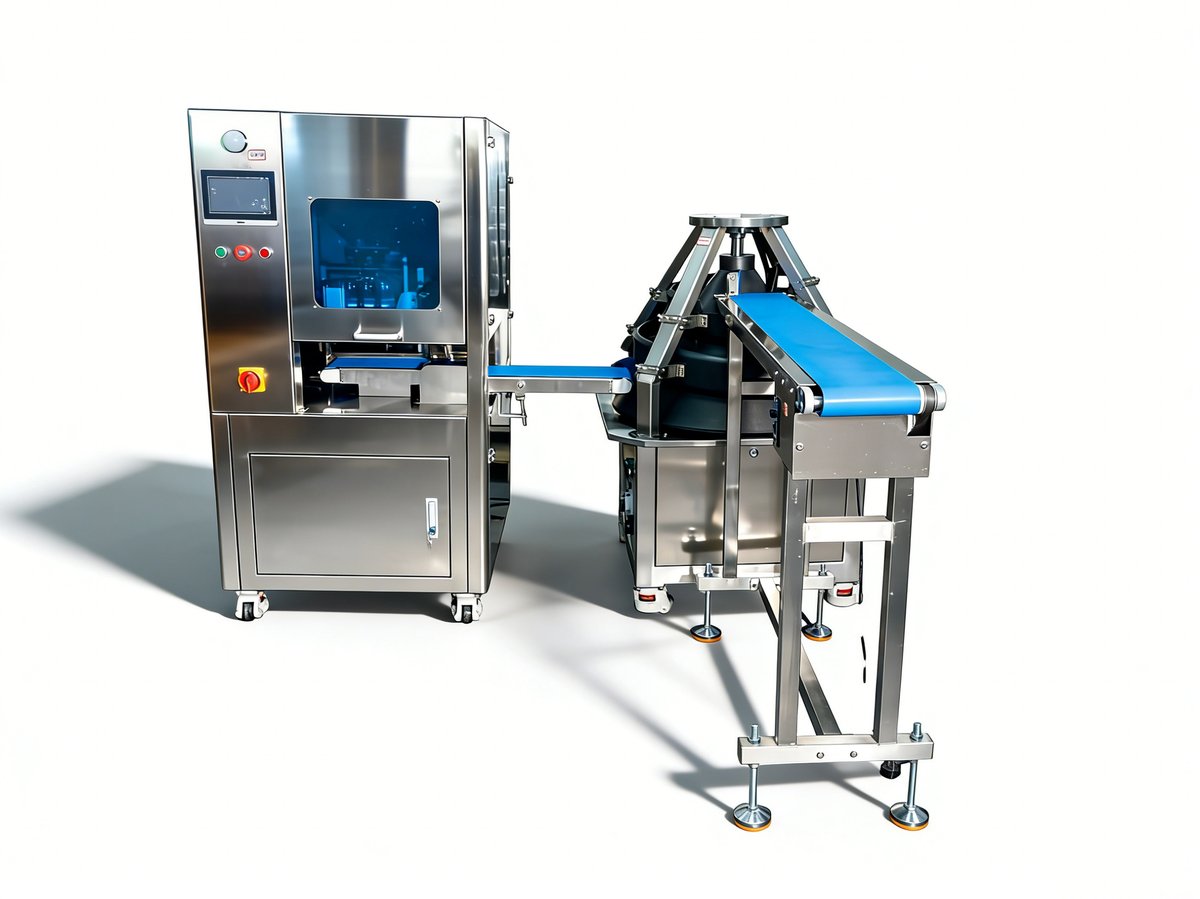

Automatic Dough Divider Rounder

Automatic Divider Rounder

3000-5000 pieces/hour. PLC touch screen control. Our bestseller for medium bakeries.

Get Quote →
Spiral Dough Mixer

Spiral Dough Mixer

20L to 120L capacity. Better gluten development than planetary mixers. The heart of your bakery.

Get Quote →
Rotary Rack Oven

Rotary Rack Oven

16 to 128 trays. Even baking every time. Gas or electric. Our most popular oven for high-volume bakeries.

Get Quote →

📋 Bakery Equipment Checklist

Download our complete bakery equipment checklist with budget estimates for 5 different bakery types.

Free Bakery Equipment Checklist →

📋 Bakery Equipment ROI Calculator

Use our interactive ROI calculator to see how quickly your bakery equipment investment pays off.

Calculate Your Equipment ROI →

📋 Bakery Equipment Maintenance Calendar

Get our printable maintenance calendar to keep your bakery equipment running at peak performance.

Printable Maintenance Calendar →

📋 Bakery Equipment Energy Cost Calculator

Estimate your bakery equipment energy costs and find ways to reduce your utility bills.

Calculate Energy Costs →

🏭 Bakery Equipment Capacity Calculator

Not sure what size equipment you need? Use our free interactive calculator to find the perfect dough divider, mixer, oven, and proofer capacity for your production volume.

Calculate Your Equipment Needs →

⚖️ Bakery Equipment Comparison Tool

Compare dough dividers, spiral mixers, ovens, proofers and dough sheeters side by side. View specs, prices, capacity and features to find the best equipment for your bakery.

Compare Equipment Now →

Often Asked Questions

Here are the questions we get asked most often about bakery equipment financing:

Q: What credit score do I need to finance bakery equipment?

A: Most equipment financing lenders require a minimum credit score of 600-650. However, we've helped customers with scores as low as 550 get approved by providing a solid business plan and showing consistent revenue. If your credit is below 600, consider a co-signer, a larger down payment (20-30%), or starting with smaller equipment and upgrading as your business grows.

Q: Is it better to lease or buy bakery equipment?

A: It depends on your situation. Leasing is better if you need the latest technology, want lower monthly payments, or plan to upgrade every 3-5 years. Buying is better if you plan to keep the equipment for 5+ years, want to build equity, or can claim depreciation on your taxes. For our customers, we typically recommend buying for core equipment (dividers, mixers, ovens) and leasing for technology that changes quickly (POS systems, automation). Most of our customers end up buying because commercial bakery equipment lasts 10-15 years with proper maintenance.

Q: How much does a typical bakery equipment financing loan cost?

A: A typical $50,000 equipment financing loan for a bakery with good credit (700+) has an interest rate of 6-12% and a monthly payment of $950-$1,150 over 5 years. For fair credit (600-700), rates are 12-20% with monthly payments of $1,100-$1,400. Total interest paid over 5 years ranges from $8,000 to $25,000 depending on your credit score. We always recommend getting quotes from 2-3 lenders and comparing the total cost, not just the monthly payment.

Q: Can I get financing for used bakery equipment?

A: Yes, many lenders offer financing for used commercial bakery equipment, but the terms are usually less favorable. Used equipment loans typically require a 15-25% down payment (vs 10% for new), have higher interest rates (2-5% more), and shorter repayment terms (3-4 years vs 5-7 years). The equipment must also be appraised and meet the lender's age requirements (usually under 10 years old). We've seen customers save 30-50% by buying used, but the financing savings are often offset by higher maintenance costs and shorter equipment lifespan.

Q: What documents do I need to apply for bakery equipment financing?

A: Most lenders require: 1) A completed application with personal and business information, 2) 2-3 years of business tax returns (or personal returns if startup), 3) 3-6 months of business bank statements, 4) A business plan or financial projections, 5) A quote or invoice for the equipment you're financing, 6) Personal financial statement, 7) Your driver's license and EIN. If you're a startup (less than 2 years in business), You can also need a personal guarantee and a larger down payment. We recommend having all documents ready before applying to speed up the approval process.

Ready to Get the Equipment You Need?

Contact us today for a detailed equipment quote. We'll provide the specifications and pricing You should apply for financing—and support you through the entire process.

Get a Free QuoteBrowse Products

Email: sales@yuanmhe.com | WhatsApp: +86 137 5500 7928

Related Articles You might Find Useful

Bakery Business Plan Template Guide

Complete template for writing a bakery business plan that lenders will love.

Bakery Financial Management Guide

How to manage cash flow, control costs, and maximize profitability in your bakery.

How to Start a Bakery Cafe Business

Complete step-by-step guide to starting your own bakery cafe from scratch.