Understanding the Two Models
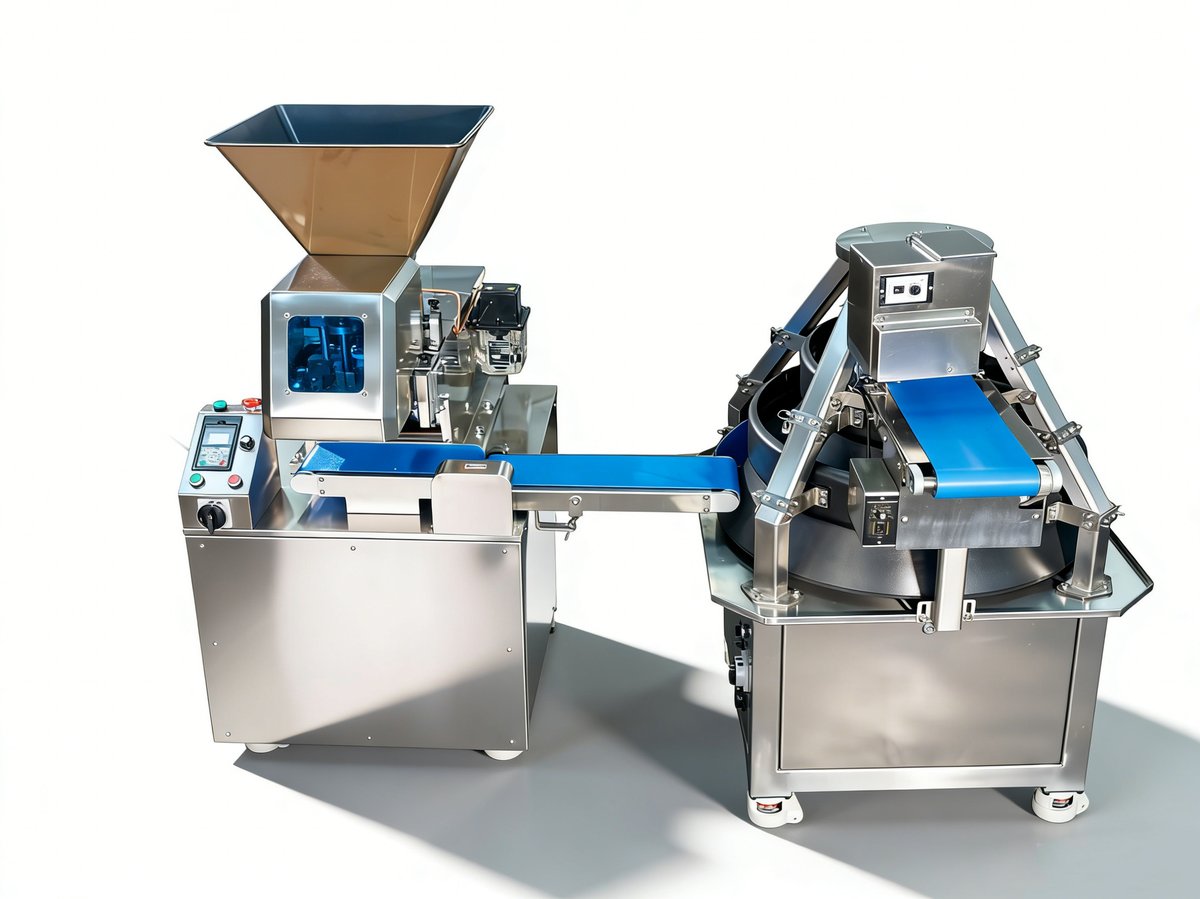
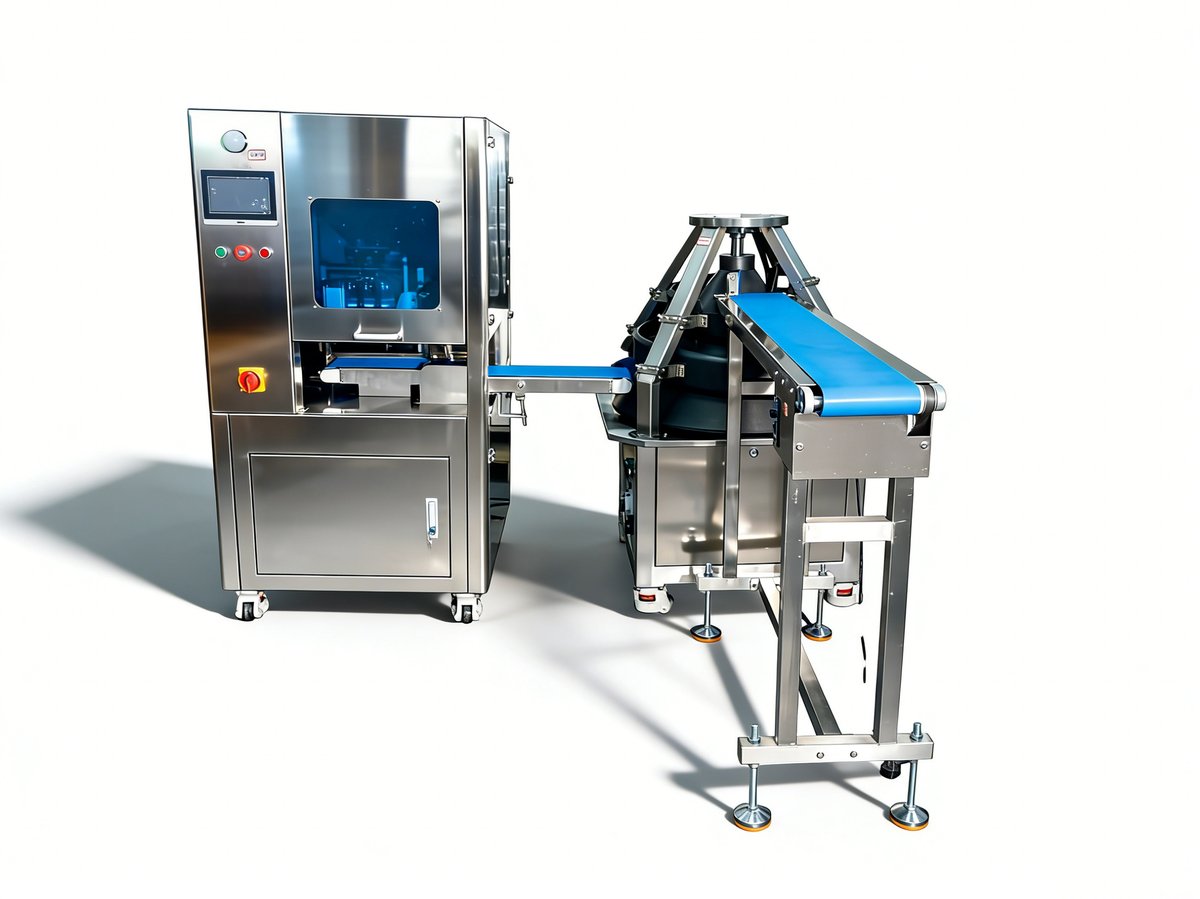
Before diving into the comparison, it's important to clarify what "manual" and "automatic" actually mean in the context of conical dough divider rounders. Both machines are fully motor-driven — the dividing and rounding process is powered by electric motors, not hand cranking. The difference lies in how you adjust the dough weight.
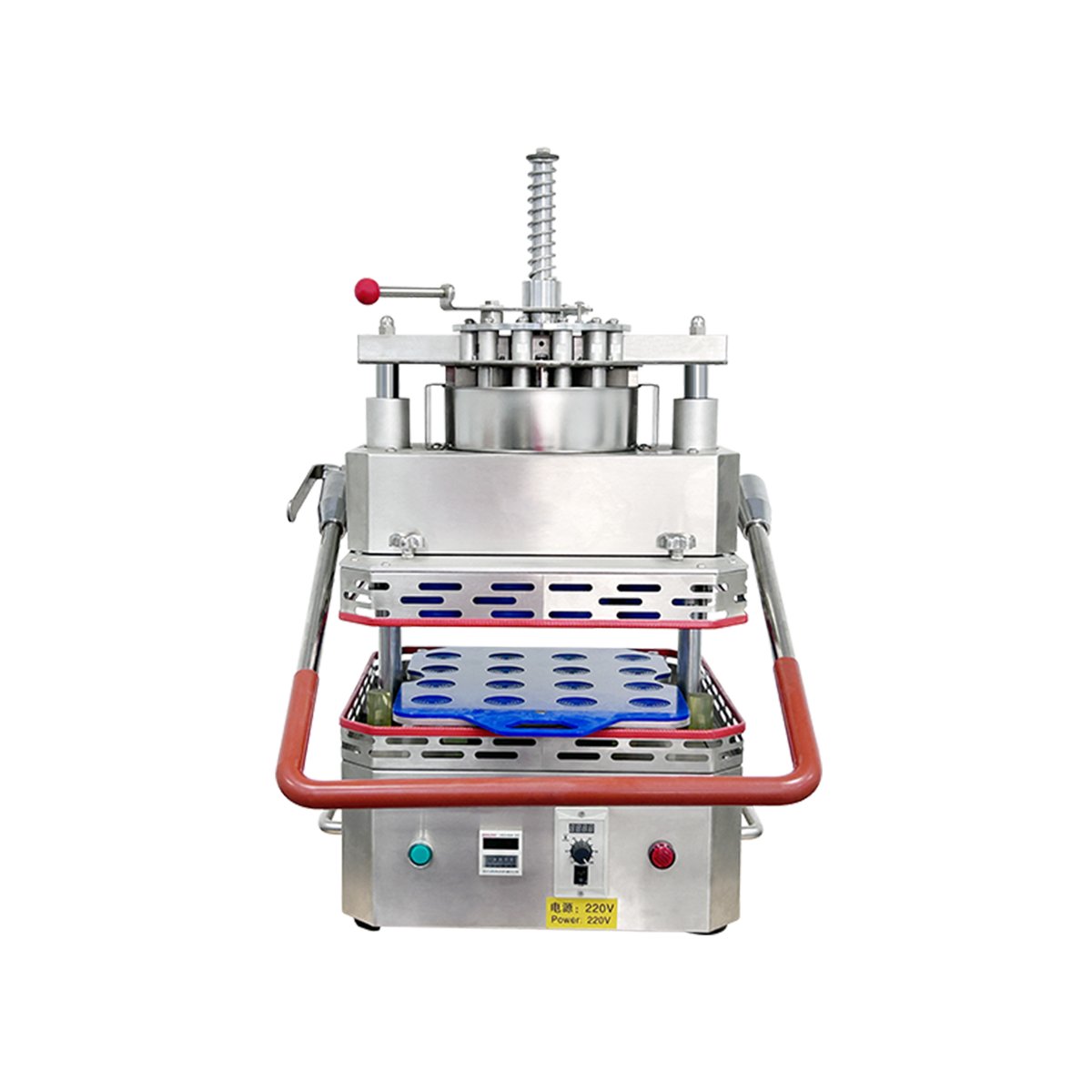
The manual adjustment model uses interchangeable physical dies (molds) to set portion size. To change from 50g rolls to 100g rolls, you swap out the die set. The automatic model uses a PLC touchscreen control panel where you input the exact desired weight digitally, and the machine adjusts automatically.
Side-by-Side Comparison
| Feature | Manual Adjustment Model | Automatic (PLC) Model |
|---|---|---|
| Price Range | $12,000 - $22,000 | $15,000 - $25,000 |
| Capacity | 2,000 - 12,000 pcs/hour | 2,000 - 12,000 pcs/hour |
| Dough Weight Range | 8g - 500g (via die change) | 8g - 500g (digital setting) |
| Weight Adjustment Time | 5-10 minutes (die swap) | 30 seconds (touchscreen) |
| Number of Dies Included | 7 standard dies (1P-6P) | N/A (digital) |
| Control System | Manual buttons + knobs | PLC touchscreen (HMI) |
| Motor Power | 1.6 kW | 1.6 kW |
| Voltage Options | 220V / 380V, 50Hz | 220V / 380V, 50Hz |
| Machine Weight | 480 kg (net) / 535 kg (gross) | ~500 kg (net) |
| Dimensions | 730 × 1080 × 1448 mm | 730 × 1080 × 1500 mm |
| Workers Replaced | 2-3 workers | 2-4 workers |
| Best For | Small bakeries, startups, fixed product lines | Medium-large bakeries, diverse products, frequent changes |
| Typical ROI Period | 6-12 months | 8-18 months |
Manual Adjustment Model: Pros and Cons
✓ Advantages
- Lower price point — saves $3,000-$5,000 upfront
- Simple operation — fewer electronic components, less to go wrong
- Easy maintenance — mechanical dies are durable and easy to clean
- Same production capacity — identical motor and dividing/rounding performance
- Die system is reliable — proven technology with decades of industry use
- Lower repair costs — no expensive PLC screen to replace
✗ Disadvantages
- Slower weight changes — 5-10 minutes per die swap vs 30 seconds
- Limited to standard weights — custom weights require custom dies (additional cost)
- Physical storage needed — dies take up space and must be organized
- Risk of losing dies — small parts can be misplaced during cleaning
- Less precise control — fine-tuning weight requires shimming or die modification
- Harder to train new staff — die changes require hands-on training
Automatic (PLC) Model: Pros and Cons
✓ Advantages
- Instant weight changes — 30 seconds on touchscreen, no physical parts
- Unlimited weight options — any weight within range, no custom dies needed
- Precise digital control — set weight to the gram with consistent accuracy
- Recipe memory — save multiple product recipes for one-touch recall
- Production data tracking — count pieces, track output, monitor performance
- Easier staff training — intuitive touchscreen interface
- No die storage — fewer physical parts to manage and clean
✗ Disadvantages
- Higher price — $3,000-$5,000 more than manual model
- More electronic components — PLC, touchscreen, sensors can fail
- Higher repair costs — touchscreen replacement can be expensive
- Power sensitivity — voltage fluctuations can affect electronics
- Longer ROI period — higher upfront cost means longer payback
- Software updates — may require occasional firmware updates
Which One Should You Choose?
Choose Manual Adjustment If:
- You produce 1-3 standard products with fixed weights (e.g., only 50g dinner rolls and 100g burger buns)
- Your daily output is under 5,000 pieces
- You're a startup or small bakery with limited capital
- You change products less than once per day
- You prefer simple, reliable mechanical systems over complex electronics
- Your facility has unstable power or voltage fluctuations
Choose Automatic (PLC) If:
- You produce 5+ different products with varying weights
- Your daily output exceeds 5,000 pieces
- You're a medium to large bakery or food factory
- You change products multiple times per day
- You need precise weight control for premium products
- You want production data tracking and recipe memory
- You plan to expand your product line in the near future
Real-World ROI Calculation
Let's look at a typical bakery scenario to understand the actual return on investment:
Scenario: Small Bakery in Nigeria
- Current: 3 workers manually dividing and rounding dough at $350/month each = $1,050/month labor cost
- After purchasing Manual Adjustment Model ($15,000): 1 worker operates machine, 2 workers redeployed
- Monthly labor savings: $700
- Additional output: +30% capacity = ~$400/month extra revenue
- Total monthly benefit: $1,100
- ROI period: $15,000 ÷ $1,100 = ~14 months
Scenario: Medium Bakery in Vietnam
- Current: 4 workers manually dividing at $250/month each = $1,000/month labor cost
- After purchasing Automatic Model ($20,000): 1 worker operates, 3 redeployed
- Monthly labor savings: $750
- Faster product changes = +50% product variety = ~$600/month extra revenue
- Total monthly benefit: $1,350
- ROI period: $20,000 ÷ $1,350 = ~15 months
Both scenarios show that regardless of which model you choose, the machine typically pays for itself within 12-18 months, after which it generates pure profit for your business.
📋 Bakery Equipment Checklist
Download our complete bakery equipment checklist with budget estimates for 5 different bakery types.
Free Bakery Equipment Checklist →📋 Bakery Equipment ROI Calculator
Use our interactive ROI calculator to see how quickly your bakery equipment investment pays off.
Calculate Your Equipment ROI →📋 Bakery Equipment Maintenance Calendar
Get our printable maintenance calendar to keep your bakery equipment running at peak performance.
Printable Maintenance Calendar →🏭 Bakery Equipment Capacity Calculator
Not sure what size equipment you need? Use our free interactive calculator to find the perfect dough divider, mixer, oven, and proofer capacity for your production volume.
Calculate Your Equipment Needs →⚖️ Bakery Equipment Comparison Tool
Compare dough dividers, spiral mixers, ovens, proofers and dough sheeters side by side. View specs, prices, capacity and features to find the best equipment for your bakery.
Compare Equipment Now →Often Asked Questions
Still Not Sure Which Model Is Right for You?
Tell us about your bakery — products, daily output, budget — and we'll recommend the perfect machine for your needs.
Related Products
Looking for Dough Divider Comparison?
Find the best commercial bakery equipment from HNH Bakery Equipment, a leading bakery equipment manufacturer and bakery equipment supplier from China. We offer bakery equipment for sale at competitive bakery equipment price for small businesses, startups, and industrial bakeries. Whether you need bakery equipment wholesale or a single unit, our bakery equipment factory provides reliable equipment with global shipping. Learn how to choose bakery equipment with our expert buying guides.
Ready to Choose the Right Equipment?
Get a free consultation and customized recommendation from our bakery equipment experts.
Get a Free Quote