
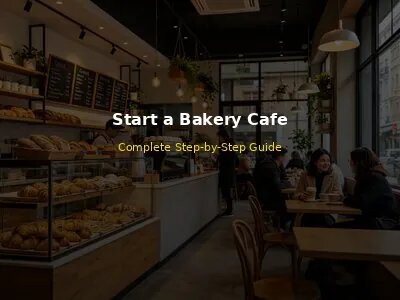
A story from our customer in Melbourne, Australia: "My wife and I opened our bakery cafe in 2019 with $85,000 in savings. We found a 1,200 sq ft space in a trendy neighborhood, bought a mix of new and used equipment, and spent 3 months renovating. We opened with a focused menu: artisan sourdough bread, croissants and pastries, and specialty coffee. The first 3 months were tough — we were losing money, working 12-hour days, and questioning our decision. But by month 4, word started spreading. Our sourdough became a local favorite, and our coffee program developed a following. By month 8, we were break-even. By month 12, we were profitable. In year 2, we expanded our seating and added a lunch menu. In year 3, we opened a second location. The important to our success? We started small and focused, didn't over-invest in fancy equipment or design before proving the concept, obsessed over product quality and consistency, built a loyal local customer base, and controlled costs rigorously. We also had enough working capital to survive the first 6 months of losses. If we had tried to open a $300,000 fancy cafe from day one, we probably would have failed. Starting lean and growing organically was the best decision we made. Now our bakery cafe generates $450,000/year in revenue with 18% net profit — and we're planning our third location. The bakery cafe business is hard work, but if you do it right, it's very rewarding."
Starting a bakery cafe is one of the most exciting — and challenging — entrepreneurial ventures. It combines the artistry of baking with the hospitality of a cafe, creating a space where customers can enjoy fresh bread, pastries, and coffee in a welcoming environment. But success in the bakery cafe business is not guaranteed. The food service industry has one of the highest failure rates of any business type — 60% of new restaurants and cafes fail within the first 3 years. The good news is that with careful planning, smart decisions, and hard work, You can beat the odds and build a successful, profitable bakery cafe.
After a decade in the bakery equipment industry, we've seen it all. The bakeries that thrive aren't the ones with the fanciest machines — they're the ones that understand their production needs and choose So.
When it comes to how to, choosing the right equipment is crucial for bakery success. HNH Bakery Equipment provides professional how to solutions for bakeries worldwide. In this guide, we explore everything you need to know about how to and how to select the best equipment for your bakery.
1Develop Your Bakery Cafe Concept
Before you write a business plan or look at locations, you need a clear, compelling concept. Your concept defines what your bakery cafe is, who it serves, and why customers should choose you over competitors.
1.1 Define Your Vision and Mission
- Vision: What do you want your bakery cafe to become? (e.g., "The neighborhood's favorite gathering place for artisan bread and specialty coffee" or "The city's premier destination for French-style pastries and gourmet coffee")
- Mission: What do you do and why? (e.g., "We craft artisan bread and pastries from locally sourced ingredients and serve specialty coffee in a warm, welcoming space that brings our community together")
- Values: What principles guide your business? (e.g., quality, authenticity, sustainability, community, customer service, creativity)
1.2 Choose Your Bakery Cafe Type
| Type | Description | Typical Size | Startup Cost | Best For |
|---|---|---|---|---|
| Artisan Bakery Cafe | Focus on handcrafted bread (sourdough, artisan loaves) + pastries + coffee. Emphasis on traditional methods, high-quality ingredients, fermentation. | 800-2,000 sq ft | $100,000-$350,000 | Bakers with artisan bread skills, foodie neighborhoods |
| French Patisserie Cafe | Focus on French pastries (croissants, macarons, eclairs, tarts) + espresso drinks. Elegant, refined aesthetic. | 600-1,500 sq ft | $80,000-$300,000 | Pastry chefs, upscale/urban locations |
| Neighborhood Bakery Cafe | Comfortable, community-focused. Bread, pastries, coffee, simple lunch (sandwiches, soups). Regulars, families, remote workers. | 1,000-2,500 sq ft | $100,000-$300,000 | Residential neighborhoods, community-focused owners |
| Specialty Coffee + Bakery | Primary focus on specialty coffee (third-wave coffee program) + baked goods. Coffee is the star, bakery supports it. | 500-1,500 sq ft | $80,000-$250,000 | Coffee enthusiasts, urban/young professional areas |
| Health-Focused Bakery Cafe | Gluten-free, vegan, organic, whole-grain, low-sugar options. Health-conscious menu. Clean, modern aesthetic. | 800-2,000 sq ft | $100,000-$350,000 | Health-conscious markets, yoga/wellness areas |
| Counter-Service Bakery (No Seating) | Takeaway only. No seating, minimal footprint. Focus on product quality and speed. Lower startup cost. | 300-800 sq ft | $50,000-$150,000 | High-foot-traffic areas, budget-conscious startups |
| Full-Service Bakery Cafe | Full table service, extensive menu (breakfast, lunch, pastries, coffee, possibly alcohol). Larger space, more staff, higher costs. | 2,000-4,000+ sq ft | $300,000-$800,000+ | Experienced restaurateurs, high-traffic locations |
1.3 spot Your Target Customer
- Demographics: Age, income, occupation, family status, lifestyle (e.g., young professionals 25-40, $50,000+ income, urban dwellers, coffee lovers)
- Needs and preferences: What do they want from a bakery cafe? (Quick morning coffee + pastry? Place to work remotely? Weekend brunch with family? Artisan bread to take home? Healthy options?)
- Habits: When do they visit? (Morning commute, lunch, afternoon coffee, weekend) How often? (Daily, weekly, special occasions) How much do they spend per visit?
- Pain points: What's missing in the current market? (No good artisan bread nearby? Coffee shops with bad pastries? No place to work remotely? No healthy bakery options?)
1.4 look at the Competition
- spot all competitors in your target area: other bakery cafes, coffee shops, bakeries, cafes, restaurants serving breakfast/pastries, even grocery stores with good bakery sections
- Visit each competitor (as a customer) and judge: menu, product quality, pricing, service, ambiance, cleanliness, customer traffic, strengths, weaknesses
- spot gaps in the market: What's missing? What can you do better? What unique value can you offer?
- Define your competitive advantage: Why will customers choose YOU? (Better bread? Better coffee? Unique menu? Better service? Better ambiance? Lower prices? Healthier options? More convenient location?)
Concept Development Tip
Don't try to be everything to everyone. The most successful bakery cafes have a clear, focused concept. "Artisan sourdough + specialty coffee in a warm neighborhood space" is more compelling than "we sell bread, pastries, coffee, sandwiches, salads, smoothies, ice cream, and gifts." Focus on what you do best, do it exceptionally well, and let that be your identity. You can always expand the menu later once you've established your core customer base.
2Write a Business Plan
A business plan is your roadmap to success. It forces you to think through every part of your business, spot potential challenges, and set realistic financial projections. It's also fundamental if you need financing (loans, investors).
2.1 Business Plan Structure
- Executive Summary: Brief overview of your concept, mission, target market, competitive advantage, financial point outs, and funding needs. Write this LAST, after you've completed all other sections.
- Company Description: Legal structure (LLC, sole proprietorship, corporation), ownership, mission/vision/values, concept overview, location plan, short-term and long-term goals.
- Market Analysis: Industry overview (bakery cafe market size, trends, growth), target market (demographics, needs, habits), competitive analysis (direct/indirect competitors, your competitive advantage), market gaps and opportunities.
- Organization and Management: Ownership structure, management team (bios, relevant experience), organizational chart, staffing plan (positions, roles, hiring timeline), advisory board/mentors.
- Products and Services: Menu overview (with descriptions and pricing), product sourcing (ingredients, suppliers), production process, unique selling points, future product plans, additional services (catering, wholesale, online ordering, classes).
- Marketing and Sales Plan: Brand identity (name, logo, aesthetic, voice), pricing plan, grand opening plan, ongoing marketing (social media, local marketing, partnerships, loyalty program, email marketing), customer retention plan, sales channels (in-store, online, catering, wholesale).
- Operations Plan: Location and facilities, equipment list, production workflow, supply chain and inventory management, quality control, health and safety protocols, technology/POS, hours of operation, daily/weekly operations schedule.
- Financial Projections: Startup costs (itemized), revenue projections (monthly, year 1-3), expense projections (COGS, labor, rent, utilities, marketing, other), break-even analysis, profit and loss statement (projected), cash flow statement (projected), balance sheet (projected), funding requirements and use of funds, sensitivity analysis (best case/worst case).
- Appendix: Supporting documents (resumes, lease agreements, equipment quotes, menu designs, market study data, letters of intent from suppliers/partners).
2.2 Important Financial Assumptions
| Metric | Industry Benchmark | Notes |
|---|---|---|
| Food cost % | 25-35% | Baked goods 28-35%, coffee 15-25%. Target 28-32% overall. |
| Labor cost % | 25-35% | Includes wages, taxes, benefits. Higher for full-service, lower for counter-service. |
| Rent % | 6-12% | Of monthly revenue. Prime locations may be 10-15%. |
| Utilities % | 3-5% | Electricity, gas, water, internet, phone. |
| Marketing % | 2-5% | Higher in first 6 months (grand opening). |
| Net profit margin | 10-20% | Well-run operations reach 15-20%. First year may be 0-5%. |
| Average transaction | $8-$15 | Coffee + pastry. Higher with food/lunch. |
| Daily customer count | 50-200+ | Depends on location, size, concept. |
| Break-even timeline | 6-12 months | From opening. Full investment recovery: 2-4 years. |
2.3 Startup Cost Estimate
| Category | Small (500-1,000 sq ft) | Medium (1,000-2,000 sq ft) | Large (2,000-4,000 sq ft) |
|---|---|---|---|
| Lease deposit + first month | $5,000-$15,000 | $10,000-$30,000 | $20,000-$60,000 |
| Renovations/build-out | $10,000-$30,000 | $50,000-$150,000 | $150,000-$400,000 |
| Equipment | $15,000-$40,000 | $40,000-$100,000 | $80,000-$200,000 |
| Furniture/fixtures | $5,000-$15,000 | $15,000-$40,000 | $40,000-$100,000 |
| Initial inventory | $3,000-$8,000 | $5,000-$15,000 | $10,000-$30,000 |
| Licenses/permits/legal | $1,000-$3,000 | $3,000-$8,000 | $5,000-$15,000 |
| POS/technology | $1,000-$3,000 | $5,000-$15,000 | $10,000-$25,000 |
| Marketing/grand opening | $2,000-$5,000 | $5,000-$15,000 | $10,000-$30,000 |
| Working capital (3-6 months) | $15,000-$50,000 | $30,000-$100,000 | $50,000-$200,000 |
| Total | $57,000-$169,000 | $163,000-$473,000 | $375,000-$1,060,000 |
3Choose the Right Location
Location is one of the most important decisions for a bakery cafe. A great location can make a mediocre concept successful, while a bad location can sink even the best concept. Take your time and choose wisely.
3.1 Location Criteria
- Foot traffic: How many people walk past the location daily? High foot traffic = more potential customers. Look for locations near: offices (morning coffee crowd), residential areas (weekend/evening customers), schools/universities (students), shopping areas, transit stations, parks.
- Visibility: Is the location visible from the street? Can customers easily see your storefront, signage, and display? Corner locations and ground-floor units with large windows are ideal.
- Accessibility: Is it easy to get to? (Parking, public transit, bike racks, wheelchair access) Is there convenient parking (on-street, lot, nearby garage)? Is it easy to enter and exit?
- Competition: Who else is nearby? Some competition is good (it confirms the area as a food destination), but too much direct competition makes it harder to stand out. Look for areas with complementary businesses (coffee shop near a bakery is good — You can cross-promote) but limited direct competition.
- Neighborhood demographics: Do the people who live/work nearby match your target customer? (Income, age, lifestyle, food preferences) study census data, visit at different times of day, and talk to local business owners.
- Rent and lease terms: Is the rent affordable (6-12% of projected monthly revenue)? What are the lease terms (length, rent increases, renewal options, tenant improvement allowance, personal guarantee)? Negotiate favorable terms — this is a long-term commitment.
- Space suitability: Does the space work for a bakery cafe? (Size, layout, kitchen area, ventilation capacity, plumbing, electrical, gas, restrooms, storage) Converting an unsuitable space can be costly. Look for spaces that previously housed a restaurant/cafe (existing kitchen infrastructure saves money).
- Neighborhood trends: Is the area growing, stable, or declining? Are new businesses moving in? Are property values increasing? A growing neighborhood means more potential customers over time. A declining neighborhood may be cheaper but riskier.
- Noise and ambiance: Is the area noisy (traffic, construction, loud neighbors)? Is there outdoor space potential? Is the surrounding environment pleasant?
- Zoning and permits: Is the space zoned for food service? Are there any restrictions (hours of operation, signage, outdoor seating, noise)? check zoning before signing a lease.
3.2 Lease Negotiation Tips
- Get a tenant improvement allowance: Ask the landlord for money to help with renovations (TI allowance). This is common in commercial leases, especially for longer lease terms. A $10-$30/sq ft TI allowance can noticeably reduce your build-out costs.
- Negotiate free rent: Ask for 1-3 months of free rent (or reduced rent) during the build-out period. You're not generating revenue during renovations, so free rent during this period is reasonable.
- Limit rent increases: Negotiate capped annual rent increases (e.g., 3% per year or CPI-based). Avoid leases with large scheduled increases.
- Get renewal options: Include option to renew (e.g., 2 additional 5-year terms) at prefigure outd or market rates. This gives you security and prevents the landlord from raising rent by a lot at renewal.
- Avoid personal guarantee if possible: A personal guarantee means you're personally liable for the lease if the business fails. Try to limit the personal guarantee (e.g., only first 2 years, or capped at a certain amount).
- Include assignment/subletting clause: This allows you to transfer the lease or sublet if You should close or move. Without this clause, You can be stuck with the lease even if the business fails.
- Have a lawyer look over the lease: Commercial leases are complex and legally binding. Spend $500-$1,500 to have a real estate attorney look over the lease before signing. This can save you thousands Over time.
4Purchase Equipment and Set Up Your Space
Equipment is one of your largest startup investments. Choose wisely — quality equipment lasts longer, produces better products, and requires less maintenance. But don't over-buy — start with what you need and add as you grow.
4.1 fundamental Equipment Checklist
| Category | Equipment | Cost Range | Priority |
|---|---|---|---|
| Baking | Commercial oven (convection or deck) | $2,000-$15,000 | a must |
| Commercial mixer (spiral or planetary, 20-40 qt) | $1,000-$8,000 | necessary | |
| Proofing cabinet | $300-$4,000 | fundamental | |
| Dough divider (manual or hydraulic) | $200-$5,000 | Recommended | |
| Refrigeration | Commercial refrigerator | $1,000-$4,000 | a must |
| Commercial freezer | $1,000-$4,000 | core | |
| Refrigerated display case | $1,500-$6,000 | Recommended | |
| Coffee Bar | Espresso machine (2-group semi-auto) | $2,000-$8,000 | needed (if serving coffee) |
| Coffee grinder (burr) | $300-$1,500 | necessary | |
| Drip coffee brewer | $200-$1,000 | Recommended | |
| Water filtration system | $200-$800 | core | |
| Prep & Small Tools | Stainless steel work tables (2-3) | $200-$1,000 each | a must |
| Digital scale | $50-$300 | needed | |
| Baking sheets/pans (20-50) | $10-$30 each | fundamental | |
| Small tools (scrapers, rolling pins, etc.) | $500-$1,500 | core | |
| Dough sheeter (if making laminated dough) | $500-$6,000 | Optional | |
| Front of House | POS system | $1,000-$3,000 | fundamental |
| Pastry/bread display case | $1,000-$4,000 | fundamental | |
| Tables and chairs (20-40 seats) | $5,000-$20,000 | Depends on concept | |
| Menu boards, lighting, decor | $1,000-$5,000 | Recommended | |
| Infrastructure | Ventilation hood + fire suppression | $5,000-$20,000+ | Required by code |
| Three-compartment sink | $500-$2,000 | Required | |
| Hand washing sinks (kitchen + restroom) | $200-$500 each | Required | |
| Commercial dishwasher (optional) | $2,000-$8,000 | Recommended |
4.2 Equipment Buying Tips
- Start with used equipment for non-important items: Tables, shelves, some appliances can be purchased used at 50-70% off new prices. Buy from reputable restaurant equipment suppliers. check used equipment carefully before purchasing.
- Buy new for important items: Oven, mixer, espresso machine, grinder — these directly affect product quality and reliability. New equipment comes with warranties and service support.
- Consider leasing: For expensive equipment (oven, espresso machine), leasing preserves capital. Lease payments are tax-deductible. But leasing costs more long-term (you don't own the equipment).
- Don't over-buy: Start with equipment for your initial menu. Add equipment (dough sheeter, additional oven, second mixer) as you grow and add products. Extra equipment costs money, takes space, and may sit unused.
- check space and utility requirements: Before purchasing, measure your space and check electrical (voltage, phase, amperage), plumbing, gas, and ventilation capacity. Equipment that doesn't fit or can't be powered is an expensive mistake.
- Buy from reputable suppliers: Choose suppliers with good warranties, responsive service, and readily available parts. A cheap machine from an unknown supplier may cost more in repairs and downtime.
- We believe bakery equipment should last 10+ years, and we build every machine with that standard in mind. Contact us for equipment recommendations and quotes tailored to your bakery cafe concept and budget.
5Develop Your Menu
Your menu is the heart of your bakery cafe. It defines what you offer, what customers expect, and what your production needs to be. Start focused, execute exceptionally well, and expand over time.
5.1 Menu Development Principles
- Start focused: Begin with a limited menu (8-15 items) that You can execute consistently and profitably. Fewer items = less waste, easier quality control, lower inventory costs, faster service. You can always add items later.
- Play to your strengths: What do you do best? (Artisan sourdough? French pastries? Gluten-free? Specialty coffee?) Make your signature items the stars of the menu. Don't try to be everything to everyone.
- Balance food cost: Include a mix of high-margin items (coffee, specialty drinks, simple pastries) and signature items (may have lower margins but drive traffic). Target overall food cost of 28-32%.
- Consider production complexity: How long does each item take to prepare? How much labor? What equipment is needed? Avoid menu items that require expensive equipment or extensive labor You can't support initially.
- Seasonal flexibility: Design a core menu (year-round staples) plus seasonal specials (pumpkin in fall, fruit in summer, holiday items). Seasonal items create excitement and give customers a reason to return.
- Dietary considerations: Include at least some gluten-free, vegan, or nut-free options if your target market demands it. But don't overcomplicate — clearly label allergens and cross-contamination risks.
- Pricing plan: Price from food cost (target 28-32%), perceived value, and local market. Don't under-price (you'll never be profitable) or over-price (customers won't return). study competitor pricing and position So.
5.2 Sample Menu Structure
| Category | Examples | Price Range | Food Cost % |
|---|---|---|---|
| Artisan Bread | Sourdough loaf, whole wheat, rye, baguette, focaccia | $5-$12 | 25-30% |
| Pastries | Croissant, pain au chocolat, almond croissant, cinnamon roll, danish, muffin, scone | $3-$6 | 25-35% |
| Cakes/Tarts | Cheesecake, fruit tart, chocolate cake, carrot cake, lemon bar | $4-$8 (slice) | 30-35% |
| Savory | Quiche, frittata, sandwich, panini, soup, salad | $8-$15 | 30-35% |
| Espresso Drinks | Espresso, americano, latte, cappuccino, flat white, mocha | $3-$6 | 15-25% |
| Brewed Coffee | Drip coffee, cold brew, pour-over | $2.50-$5 | 10-20% |
| Specialty Drinks | Latte flavors, chai, matcha, hot chocolate, seasonal drinks | $4-$7 | 20-30% |
| Non-Coffee | Tea, juice, soda, water, smoothies | $2.50-$6 | 20-35% |
6get Licenses and Permits
Operating without proper licenses and permits can result in fines, closure, and legal liability. Start the licensing process early — it can take weeks or months to get all approvals.
6.1 needed Licenses and Permits
| License/Permit | Issued By | Cost | Timeline |
|---|---|---|---|
| Business License / Registration | City/County Clerk | $50-$300 | 1-2 weeks |
| Food Service License / Health Permit | Local Health Department | $100-$1,000 | 2-8 weeks (requires checkion) |
| Cottage Food License (if home-based) | State Agriculture Dept | $50-$200 | 2-4 weeks |
| Employer Identification Number (EIN) | IRS (US) / Tax Authority | Free | 1-2 weeks |
| Sales Tax Permit | State Tax Authority | Free-$50 | 1-2 weeks |
| Building Permit (for renovations) | City Building Department | $500-$5,000+ | 2-8 weeks |
| Sign Permit | City Planning Department | $100-$500 | 2-4 weeks |
| Music License (ASCAP/BMI/SESAC) | Performing Rights Organizations | $300-$1,000/year | 1-2 weeks |
| Liquor License (if serving alcohol) | State Alcohol Beverage Control | $300-$10,000+ | 2-6 months |
| Outdoor Seating Permit (if applicable) | City Public Works | $100-$1,000/year | 2-6 weeks |
| Fire Safety checkion | Local Fire Department | $50-$300 | 1-2 weeks |
| Zoning Approval | City Planning Department | $0-$500 | 2-4 weeks |
6.2 Licensing Tips
- Start the process BEFORE signing a lease if possible — check the space is zoned for food service and can get all necessary permits.
- Contact your local health department early — ask for their requirements, checkion checklist, and timeline. Many health departments offer pre-application consultations.
- Hire a professional for complex permits (building, fire, liquor) if needed — an expediter or consultant can save time and avoid costly mistakes.
- Keep all permits and licenses posted in a visible location (as required by law).
- Track renewal dates — set reminders 60-90 days before expiration to avoid lapses.
- Maintain food safety protocols (HACCP, temperature logs, cleaning schedules) to pass health checkions with high scores.
7Hire and Train Staff
Your staff is the face of your bakery cafe. Great staff provide Great service, maintain quality, and create a welcoming environment. Invest time in hiring and training — it pays off in customer satisfaction and retention.
7.1 Typical Staffing Structure
| Position | Responsibilities | Hourly Wage (US) | When to Hire |
|---|---|---|---|
| Owner/Head Baker | Baking, recipe development, quality control, management, finances | Salary (owner) | Day 1 (you) |
| Baker/Pastry Chef | Bread and pastry production, dough prep, baking, inventory | $15-$25 | Before opening |
| Barista | Coffee and drink preparation, customer service, cash handling | $12-$20 + tips | Before opening |
| Cashier/Counter Staff | Taking orders, cash handling, customer service, restocking, cleaning | $12-$18 + tips | Before opening |
| Kitchen Assistant | Food prep, dishwashing, cleaning, assisting bakers | $12-$16 | First 1-3 months |
| Shift Supervisor | Overseeing shifts, staff management, opening/closing, customer service | $16-$25 | 3-6 months (as you grow) |
| General Manager | Overall operations, staff management, scheduling, inventory, P&L | $40,000-$70,000/year | 6-12 months (if expanding) |
7.2 Hiring Tips
- Hire for attitude, train for skills: A positive, friendly, hardworking person with no experience can be trained. An experienced person with a bad attitude is hard to fix. Look for: passion for food/coffee, customer service orientation, reliability, teamwork, willingness to learn.
- Start small: Hire a minimal team for opening (1-2 bakers, 1-2 baristas/cashiers). Add staff as revenue grows and you understand your staffing needs. Over-staffing in the early months drains cash.
- Use multiple channels: Post on job boards (Indeed, Craigslist, local food service groups), social media, your website, local culinary schools, and word-of-mouth. Ask friends and industry contacts for referrals.
- Conduct thorough interviews: Multiple interview rounds (phone + in-person), practical test (for bakers/baristas — have them show skills), reference checks (call previous employers), trial shift (have them work a paid trial to see how they perform).
- Create an employee handbook: Document policies: hours, pay, breaks, time off, dress code, conduct, safety, benefits, termination procedures. Have employees sign an acknowledgment.
- Comply with labor laws: Minimum wage, overtime, breaks, child labor laws, workplace safety, anti-discrimination, I-9 verification (US). When in doubt, consult an employment attorney or HR professional.
7.3 Training Program
- Onboarding (Day 1): Company culture, mission/values, employee handbook look over, facility tour, safety orientation, introductions to team.
- Product training (Days 1-3): Menu knowledge (ingredients, allergens, preparation methods), coffee program (drink recipes, espresso technique), bakery products (bread types, pastry ingredients, storage). Tasting sessions — employees should know and love your products.
- Skills training (Days 1-7): Position-specific skills: baking techniques, espresso machine operation, POS system, cash handling, customer service, cleaning procedures, food safety protocols. Shadowing (follow experienced staff), then supervised practice, then independent work with feedback.
- Customer service training (Ongoing): Greeting customers, order taking, handling complaints, upselling, creating a welcoming environment. Role-play common scenarios. Lead by example — owners/managers should show Great customer service.
- Food safety training (Before starting): Food handler certification (if required by law), HACCP basics, temperature control, cross-contamination prevention, allergen management, cleaning/sanitizing procedures, health department requirements.
- Ongoing training (Monthly): Monthly team meetings (15-30 minutes) covering: new menu items, seasonal drinks, policy updates, safety reminders, customer feedback, skill refreshers. Encourage continuous learning (barista competitions, baking workshops, industry events).
8Market Your Bakery Cafe
Even the best bakery cafe will fail if no one knows it exists. Marketing is needed — before opening, during grand opening, and ongoing. Focus on low-cost, high-impact marketing that builds a loyal local customer base.
8.1 Pre-Opening Marketing (2-3 months before opening)
- Build your brand: Logo, color palette, typography, brand voice, aesthetic. Consistency across all touchpoints (signage, menu, packaging, social media, website, uniforms).
- Create a website: Simple website with: location (coming soon), menu plook over, hours, contact, email signup, social media links. Use a simple builder (Squarespace, Wix, WordPress). improve for local SEO (Google Business Profile).
- Set up social media: Instagram (fundamental for food businesses — visual), Facebook (local community), TikTok (if target demographic is younger). Post behind-the-scenes content: renovation progress, baking tests, menu development, team introductions. Build anticipation.
- Build an email list: Collect emails through your website, social media, and local events. Offer an incentive (e.g., "Be the first to know about our grand opening and get a free pastry"). Email marketing has high ROI and builds long-term customer relationships.
- Google Business Profile: Claim and improve your Google Business Profile (free). Add: business name, deal with, phone, hours, category, photos, menu, description. This is important for local search — when people search "bakery near me," you want to appear.
- Local partnerships: Connect with neighboring businesses, community organizations, influencers (local food bloggers), and media. Build relationships before opening — they can help promote your grand opening.
- Signage: Install your storefront signage as early as possible (even a "coming soon" banner). This builds awareness and lets people know a bakery cafe is coming.
8.2 Grand Opening Marketing
- Plan a grand opening event: Free samples, special discounts, live music, face painting (family-friendly), ribbon-cutting ceremony (with local politicians/chamber of commerce), giveaways. Make it an event people want to attend.
- Soft opening first: Invite friends, family, and local influencers for a soft opening 3-7 days before the public grand opening. This lets you test operations, work out kinks, and get feedback before the big day. It also generates word-of-mouth and social media buzz.
- Promote heavily: Social media (countdown posts, behind-the-scenes, menu reveals), email marketing (grand opening announcement with special offer), local press (send press release to local newspapers, food blogs, TV/radio stations), flyers/posters in the neighborhood, local business partnerships (cross-promotion).
- Offer grand opening specials: "First 50 customers get a free coffee," "Buy one pastry get one free," "20% off all grand opening weekend," "Free tote bag with $20 purchase." Specials create urgency and draw crowds.
- Collect customer information: At the grand opening, collect emails (for newsletter), social media follows (offer incentive), and feedback (comment cards or quick survey). Build your customer database from day one.
- Document everything: Take photos and videos of the grand opening (crowds, products, happy customers). Use this content for social media, website, and future marketing. Customer testimonials and photos are powerful marketing tools.
8.3 Ongoing Marketing (after opening)
- Social media (daily): Post daily on Instagram/Facebook: product photos, behind-the-scenes, customer features, seasonal items, specials, events. Use Instagram Stories for daily updates, polls, Q&A. Engage with followers (respond to comments, DMs). Use relevant hashtags (#yourcitybakery, #artisanbread, #specialtycoffee, #bakerycafe).
- Email marketing (weekly/monthly): Send regular emails: new menu items, seasonal specials, events, behind-the-scenes stories, customer appreciation offers. Keep emails short, visual, and valuable. Don't spam — only send when You've something worth sharing.
- Loyalty program: put in place a loyalty program (e.g., "Buy 9 coffees, get the 10th free" or points-based system). Loyalty programs increase customer retention and average spend. Use a simple digital system (Stamp Me, Perkville, or built into your POS) or a simple punch card.
- Local marketing: Participate in local events (farmers markets, food festivals, community events), partner with neighboring businesses (cross-promotion, gift basket collaborations), sponsor local teams/organizations, distribute flyers/coupons in the neighborhood, advertise in local publications (newspapers, magazines, neighborhood blogs).
- Google Business Profile (ongoing): Keep your GBP updated (hours, menu, photos, posts). Encourage customers to leave look overs (ask happy customers, add a note on receipts, offer small incentive). Respond to ALL look overs (positive and negative). Good Google look overs improve local search ranking and build trust.
- Content marketing: Blog about baking tips, recipes, coffee education, behind-the-scenes stories, local community features. This drives organic search traffic and positions you as an expert. (We specialize in dough processing equipment — dividers, rounders, sheeters, mixers, and moulders — that is all we do.)
- Catering and wholesale: Offer catering for corporate events, weddings, parties, and meetings. Sell wholesale to local cafes, restaurants, grocery stores. These are additional revenue streams that also increase brand exposure.
- Customer retention: Remember regular customers' names and orders, personalize service, create a welcoming environment, solicit and act on feedback, host customer appreciation events, offer exclusive perks to regulars. Retaining existing customers is 5x cheaper than acquiring new ones.
9Manage Operations and Finances
Opening is just the beginning. Long-term success requires disciplined operations management and financial control. Track your metrics, manage costs, maintain quality, and continuously improve.
9.1 Daily Operations Checklist
- Opening (1-2 hours before): Turn on equipment (oven, proofer, espresso machine, lights), check temperatures (refrigerator, freezer, proofer), prepare dough/batter (if not prepped night before), bake morning products, brew coffee, set up display case, count cash register, check inventory, brief staff (daily specials, priorities).
- During service: Monitor product quality (freshness, presentation), manage customer flow and wait times, restock display case and supplies, clean as you go (wipe counters, clean tables, empty trash), handle customer issues promptly, track inventory usage, manage breaks and staffing.
- Closing (1-2 hours after): Stop taking orders, clean all equipment and surfaces, wrap and store leftover products (or donate), count cash and reconcile with sales, restock for tomorrow, prepare dough for next day (if applicable), turn off equipment (oven, espresso machine, lights — leave refrigerator/freezer on), lock up, look over daily sales and metrics.
9.2 Important Financial Metrics to Track Weekly
| Metric | How to Calculate | Target | Why It Matters |
|---|---|---|---|
| Revenue | Total sales (daily/weekly/monthly) | Growing month-over-month | Top-line growth indicates business health |
| Food Cost % | (Cost of ingredients / Revenue) x 100 | 28-32% | High food cost = low profit. Track waste and portion control |
| Labor Cost % | (Total wages + taxes + benefits / Revenue) x 100 | 25-35% | High labor = low profit. Schedule efficiently |
| Rent % | (Monthly rent / Monthly revenue) x 100 | 6-12% | High rent = unsustainable. Negotiate or increase revenue |
| Average Transaction | Total revenue / Number of transactions | $8-$15 | Low ATV = need upselling or higher-priced items |
| Customer Count | Number of transactions (daily/weekly) | Growing | Declining customers = problem (marketing, quality, competition) |
| Gross Profit | Revenue - Cost of Goods Sold | 68-72% of revenue | What's left to cover operating expenses and profit |
| Net Profit | Revenue - All expenses (COGS + labor + rent + utilities + marketing + other) | 10-20% | The bottom line. Goal: consistent positive net profit |
| Break-Even Point | Fixed costs / (1 - Variable cost %) | Know your number | Minimum monthly revenue needed to cover all costs |
| Cash Flow | Cash in - Cash out (monthly) | Positive | Positive cash flow = ability to pay bills and invest. Negative = danger |
9.3 Cost Control Strategies
- Food cost control: Standardize recipes (exact measurements, consistent portion sizes), weigh ingredients (don't eyeball), track waste (daily waste log — what's thrown away and why), manage inventory (first-in-first-out, proper storage, regular counts), negotiate with suppliers (bulk discounts, compare prices), menu engineering (promote high-margin items, remove low-margin slow sellers).
- Labor cost control: Schedule from forecasted demand (don't over-staff slow periods), cross-train employees (flexibility to move between positions), minimize overtime (plan schedules carefully), use part-time staff for peak periods, track productivity (sales per labor hour), automate where possible (POS, online ordering, self-service).
- Overhead control: Energy efficiency (LED lighting, energy-efficient equipment, turn off equipment when not in use, proper insulation), reduce waste (recycling, composting, portion control), negotiate bills (internet, insurance, services), look over expenses monthly (remove unnecessary subscriptions/services), buy in bulk (non-perishable supplies, cleaning products).
- Cash flow management: Maintain 3-6 months operating expenses in reserve, invoice promptly (for catering/wholesale), manage payables (pay on time but take advantage of payment terms), monitor cash flow weekly, have a line of credit or emergency funding source, avoid unnecessary debt, reinvest profits wisely (equipment, marketing, improvements).
10Avoid Common Mistakes
- Under-capitalization: The #1 reason new bakery cafes fail. Running out of money before reaching profitability. Have 3-6 months of operating expenses in reserve, plus a 20-30% contingency for unexpected costs. Don't invest every dollar in renovations and equipment — preserve working capital.
- Poor location choice: Choosing a location from low rent rather than foot traffic, visibility, and target customer demographics. A cheap location with no customers is more expensive than a prime location with steady traffic. Spend time studying locations, visit at different times of day, and talk to local business owners.
- Over-investing in design/equipment before proving concept: Spending $200,000+ on fancy design and top-of-the-line equipment before You've a proven customer base. Start lean — focus on fundamental equipment, functional design, and great products. Upgrade and expand as revenue grows. Many successful bakery cafes started with modest investments and grew organically.
- Unrealistic financial projections: Projecting high revenue and low expenses without basis. Be conservative — assume revenue will be 20-30% lower than your best-case estimate and expenses 20-30% higher. Build realistic projections from industry benchmarks and local market data. If your concept doesn't work with conservative projections, it may not work at all.
- Poor inventory and waste management: Over-ordering ingredients (spoilage/waste), under-ordering (lost sales), poor storage (spoilage), no portion control (inconsistent products, high food cost). put in place standard recipes, weigh ingredients, track waste daily, manage inventory with FIFO, and look over food cost weekly.
- Inconsistent product quality: Great products one day, mediocre the next. Inconsistency erodes customer trust and loyalty. Standardize recipes, train staff thoroughly, put in place quality control checks, use consistent ingredients from reliable suppliers, and taste products daily. Quality and consistency are the foundation of a successful bakery cafe.
- Neglecting marketing: "If we build it, they will come" — false. Even great products need marketing. Invest time and money in marketing before opening, during grand opening, and ongoing. Focus on low-cost, high-impact marketing: social media, Google Business Profile, email marketing, local partnerships, word-of-mouth. Marketing is an investment, not an expense.
- Poor customer service: Rude or inattentive staff, long wait times, messy environment, no response to complaints. Great customer service builds loyalty and word-of-mouth; poor service drives customers away (and they tell friends). Hire friendly staff, train thoroughly, lead by example, empower staff to resolve issues, and create a welcoming environment.
- Trying to do everything yourself: Working 80+ hours/week, burning out, neglecting family/health, not delegating. You can't do everything — hire and train good staff, delegate responsibilities, focus on what you do best (baking, management, vision), and take time off. Burnout is a common reason bakery owners close their doors.
- Not adapting to feedback and market changes: Ignoring customer feedback, refusing to change menu/pricing/operations, not keeping up with trends. Listen to customers, track sales data, be willing to change (remove unpopular items, add popular ones, adjust prices, try new concepts), stay current with food/coffee trends, and continuously improve. Adaptability is important to long-term success.
- Ignoring health and safety: Cutting corners on food safety, poor cleanliness, no safety training, ignoring health department requirements. A food safety incident (customer illness, health department violation, closure) can destroy your business. put in place strict food safety protocols, train staff, maintain cleanliness, pass health checkions with high scores, and carry product liability insurance.
- No work-life balance: The bakery cafe business is demanding — early mornings, long hours, physical labor. Without work-life balance, you'll burn out. Set boundaries (specific hours, days off), delegate, hire a manager as you grow, take vacations, focus on health (sleep, exercise, nutrition), and make time for family/friends. A sustainable business requires a sustainable owner.
11. Timeline: From Concept to Opening
| Phase | Timeline | Important Activities |
|---|---|---|
| Concept & Planning | Months 1-2 | Develop concept, study market, write business plan, secure financing, find advisors/mentors |
| Location & Lease | Months 2-4 | Search locations, judge options, negotiate lease, sign lease, check zoning/permits |
| Design & Renovation | Months 3-6 | Hire architect/designer, finalize layout, get building permits, begin renovations, install infrastructure (plumbing, electrical, HVAC, ventilation) |
| Equipment & Setup | Months 5-7 | Order equipment (lead times can be 4-8 weeks), receive and install equipment, purchase furniture/fixtures, set up POS and technology, design and install signage |
| Licensing & Permits | Months 4-7 | Apply for all licenses/permits, schedule health/fire checkions, get food service license, complete all required certifications |
| Menu & Recipes | Months 5-7 | Finalize menu, test and standardize recipes, figure out pricing, source suppliers, set up inventory systems, create menu boards/designs |
| Hiring & Training | Months 6-7 | Recruit and hire staff, create employee handbook, conduct training (food safety, product knowledge, customer service, POS), do practice runs |
| Pre-Opening Marketing | Months 5-7 | Build website, set up social media, create Google Business Profile, build email list, local partnerships, "coming soon" signage, soft opening planning |
| Soft Opening | Week 1 of Month 8 | Invite friends/family/influencers, test operations, work out kinks, get feedback, adjust menu/pricing/operations |
| Grand Opening | Week 2-3 of Month 8 | Grand opening event, heavy promotion, specials/giveaways, collect customer info, document everything |
| Post-Opening | Months 8+ | Monitor operations and finances, manage costs, maintain quality, build customer base, ongoing marketing, adjust and improve, plan for growth |
Total timeline: 6-9 months from concept to opening (for a typical medium-sized bakery cafe). Larger or more complex spaces may take 9-12 months. Starting early and staying organized helps avoid delays. Build buffer time into your plan — renovations, permit approvals, and equipment delivery often take longer than expected.
Get Your Questions Answered Today
Join hundreds of bakery owners worldwide who trust us for their equipment needs. Contact us today to discuss your project and get a personalized quote.
Get Free Equipment Consultation /12. Conclusion: Your Bakery Cafe Journey
Starting a bakery cafe is a challenging but very rewarding journey. It requires passion, hard work, careful planning, financial discipline, and a willingness to learn and adapt. But for those who love baking, coffee, and hospitality, there's nothing more satisfying than building a space where the community gathers to enjoy fresh bread, pastries, and coffee — and building a profitable, sustainable business in the process.Most bakery owners don't realize how much money they're losing until they look over their equipment. Here's what we've learned from working with bakeries across 27 countries. Avoid the common mistakes: under-capitalization, poor location choice, over-investing before proving the concept, unrealistic projections, poor cost control, inconsistent quality, neglecting marketing, poor customer service, burnout, and refusing to adapt.
keep in mind that success doesn't happen overnight. Most bakery cafes take 6-12 months to reach break-even and 2-4 years to fully recover their initial investment. The first year is the hardest — you're learning, refining, and building a customer base. Be patient, stay focused on quality and service, control costs, and continuously improve. Celebrate small wins (first 100 customers, first positive month, first regular who knows your name) and learn from setbacks.
At HNH Bakery Equipment, we've helped hundreds of bakery cafes get started with the right equipment and advice. We manufacture commercial bakery equipment designed for reliability, performance, and value — and we're here to support you from planning through operation and beyond. Whether you need help choosing equipment, understanding bakery production, or sourcing reliable machinery, we're happy to help. Contact us for a free consultation and let's talk about your bakery cafe dream.
The bakery cafe industry is competitive, but there's always room for a great bakery cafe with Great products, friendly service, and a welcoming space. If you're passionate about baking and hospitality, willing to work hard, and smart about planning and finances, You can build a successful bakery cafe that becomes a beloved part of your community. Start planning today, take it one step at a time, and before you know it, you'll be opening your doors and serving your first customers. We wish you the best of luck on your bakery cafe journey — and we're here to help whenever you need equipment or advice.
📋 Bakery Equipment Checklist
Download our complete bakery equipment checklist with budget estimates for 5 different bakery types.
Free Bakery Equipment Checklist →📋 Bakery Equipment ROI Calculator
Use our interactive ROI calculator to see how quickly your bakery equipment investment pays off.
Calculate Your Equipment ROI →📋 Bakery Equipment Maintenance Calendar
Get our printable maintenance calendar to keep your bakery equipment running at peak performance.
Printable Maintenance Calendar →📋 Bakery Equipment Energy Cost Calculator
Estimate your bakery equipment energy costs and find ways to reduce your utility bills.
Calculate Energy Costs →Related Articles
Learn More
- 👉 Bakery Equipment Selection Complete Guide: Choose by Output & Product
- 👉 Bakery Equipment Maintenance Schedule: Daily, Weekly, Monthly, Yearly
- 👉 Dough Divider Rounder Troubleshooting: 15 Common Problems & Solutions
- 👉 Small Bakery Equipment ROI & Payback Period Calculator
- 👉 Bakery Equipment Energy Consumption & Energy Saving Guide
- 👉 Bakery Equipment Food Safety & Hygiene Compliance Complete Guide