
✉ sales@yuanmhe.com | WhatsApp: +86 137 5500 7928

Bakery Health and Safety Compliance Guide: Safe, Compliant, Trustworthy

Published: September 8, 2026 | By HNH Bakery Equipment | 18 min read

Quick Answer

Bakery health, safety, and compliance guide: Complete structure for food safety, workplace safety, and regulatory compliance in commercial bakery operations. (1) Why health/safety/compliance matters—Food safety is non-negotiable: Foodborne illness outbreak can close bakery permanently (legal liability, lawsuits, criminal charges, reputation ruin, loss of customers); 1 in 6 Americans get foodborne illness yearly (CDC), 3,000 die—bakery products (cream-filled, dairy, egg-containing, custard) can be high-risk; Health department checkions (routine 1-4x/year + complaint-based—fail checkion = fines, mandatory re-checkion, closure, public posting of bad score); Customer trust (food safety = foundation of trust—one incident destroys years of reputation); Legal liability (customers can sue for medical bills, lost wages, pain/suffering—lawsuits $100K-$1M+; insurance may not cover if gross negligence); Workplace safety: Employee injuries (cuts, burns, slips, strains, repetitive motion—bakery is hazardous: sharp tools, hot ovens, heavy lifting, wet floors, machinery); OSHA compliance (federal Occupational Safety and Health Administration—checkions, fines $13K-$136K+ per violation, criminal charges for willful violations causing death); Workers comp costs (injuries = higher insurance premiums, lost productivity, staff turnover, overtime for coverage); Employee morale (safe workplace = happier, more productive staff, lower turnover); Compliance: Regulations (FDA Food Code, state/local health codes, OSHA, ADA, fire code, labor laws, labeling laws, environmental regulations—complex, overlapping, changing); Penalties (fines, closure, lawsuits, criminal charges, loss of licenses/permits—non-compliance is expensive); Customer expectations (customers expect safe, clean, compliant operations—bad checkion scores posted online hurt business); Insurance (liability insurance requires compliance—non-compliance can void coverage, increase premiums); (2) Food safety system—HACCP (Hazard Analysis Important Control Points): Systematic preventive way to food safety (required for some processes, recommended for all commercial bakeries); 7 principles: 1. Conduct hazard analysis (spot biological (bacteria, viruses), chemical (cleaners, allergens), physical (glass, metal, hair) hazards at each step); 2. figure out important control points (CCPs—steps where hazard can be prevented/removed/reduced: cooking, cooling, hot holding, reheating, allergen control); 3. Establish important limits (e.g., cook to 165°F for 15 sec, cool from 135°F to 70°F within 2 hrs and 70°F to 41°F within 4 more hrs, hot hold ≥135°F); 4. Establish monitoring procedures (who, what, when, how—temperature logs, visual checks, record every CCP); 5. Establish corrective actions (what to do if important limit not met: e.g., undercooked product = cook longer, discard if unsafe; temperature abuse = judge, discard if in danger zone too long); 6. Establish verification procedures (look over logs, calibrate thermometers, look over, health department checkion, microbial testing—ensure system works); 7. Establish record-keeping (temperature logs, cleaning logs, training records, supplier info, corrective actions—keep 1+ year, available for checkion); For bakeries: CCPs typically include: cooking (ovens, proofing temperatures), cooling (cream-filled, custard, dairy products), hot holding (if serving hot food), allergen control (cross-contamination prevention), supplier approval (ingredient safety), sanitation (cleaning/sanitizing procedures); Even if not required (retail bakeries may be exempt from full HACCP in some jurisdictions), put in placeing HACCP principles reduces risk and shows due diligence. FDA Food Code compliance (adopted by most states): Temperature control: Cold holding ≤41°F (fridges, display cases, walk-ins); Hot holding ≥135°F (if serving hot food); Cooking temperatures: poultry 165°F, ground meat 155°F, whole cuts 145°F, eggs 145°F (for immediate service), 155°F for pooled eggs; Cooling: 135°F→70°F within 2 hours, 70°F→41°F within 4 more hours (total 6 hours); use shallow pans, ice baths, blast chiller, small batches; Reheating: to 165°F within 2 hours (for hot holding); Danger zone: 41°F-135°F—minimize time in this zone (≤4 hours total for ready-to-eat TCS food); Thermometers: calibrated (ice point 32°F, boiling point 212°F at sea level), accurate (±2°F), probe type (digital instant-read, $10-$30), use for every batch, log temperatures; Personal hygiene: Handwashing (20+ seconds with soap and warm water, at designated handwashing sink—before work, after restroom, after touching face/hair, after raw ingredients, after eating/drinking/smoking, after cleaning, after touching garbage, after handling money; no handwashing in food prep/sink/dishwashing sinks); Bare hand contact (no bare hands with ready-to-eat foods—use gloves, tongs, deli paper, spatulas; gloves are not substitute for handwashing—wash hands before gloving, change gloves when switching tasks, after touching face, after contamination, every 4 hours continuous use); Employee health policy (exclude/restrict employees with: vomiting, diarrhea, jaundice, sore throat with fever, lesions with pus; reportable illnesses: Norovirus, Hepatitis A, Shigella, Salmonella Typhi, E. coli O157:H7—employees must report symptoms; sick employees can't work with food/equipment/utensils); Hair restraints (hairnets, beard covers, hats—prevent hair contamination); Clean uniforms/aprons (no street clothes in food prep, aprons removed when leaving prep area, no jewelry on hands/arms (plain wedding band ok), no fake nails/polish (can chip into food)); No eating/drinking/smoking in food prep areas (designated areas only, covered drinks with straw in designated areas); Cross-contamination prevention: Raw vs ready-to-eat (store raw below ready-to-eat in fridge (prevents drips), separate prep areas/utensils, color-coded cutting boards (red=raw meat, green=produce, white=dairy/bakery, blue=seafood, yellow=poultry), wash/sanitize between tasks); Allergen control (spot top 9 allergens: milk, eggs, fish, crustacean shellfish, tree nuts, peanuts, wheat, soybeans, sesame; read labels, separate ingredients/equipment for allergen-free products, dedicated prep area if possible, color-coded tools, clean/sanitize between allergen and non-allergen, label products with allergens, train staff, "may contain" warnings for cross-contamination risk); Storage (food 6" off floor, 2" from walls, covered/labeled, FIFO (first in first out), rotate stock, date mark ready-to-eat TCS food (7 days max at 41°F including day of preparation), no food under sewer/water lines, no chemicals stored with food); Cleaning and sanitizing: Wash-rinse-sanitize (3-compartment sink: wash 110°F+ with detergent, rinse clean water, sanitize (chemical: chlorine 50-100ppm, quaternary ammonium 200-400ppm, iodine 12.5-25ppm—test with strips; or hot water 171°F for 30 sec); air dry (no towel drying)); Dishwasher (commercial: final rinse 180°F for high-temp, or chemical sanitizer for low-temp—test strips, check with thermometer/heat strips); Cleaning schedule (daily: surfaces, equipment, floors, restrooms; weekly: deep clean equipment, walls, ceilings; monthly: hood cleaning (if cooking), behind/under equipment, ventilation filters; as needed: spills immediately); Food contact surfaces (clean and sanitize every 4 hours of continuous use, after each task, after contamination, before starting new task); Sanitizer test strips (check concentration—too weak = ineffective, too strong = unsafe/illegal; test every batch); Pest control: Prevent (seal cracks/holes, doors closed/sweeps, screens on windows, no food debris, garbage covered/removed, drains clean, no standing water, food stored 6" off floor); Monitor (pest sighting log, regular checkions, look for droppings, gnaw marks, insects, nests); Professional pest control (licensed pest control company, regular service monthly/quarterly, keep service reports, use approved pesticides only by licensed applicator, no over-the-counter pesticides in food areas); If pests found: look into source, remove, clean/sanitize, contact pest control, document, prevent recurrence; Supplier approval: Approved suppliers (only purchase from reputable, licensed, checked suppliers—no home-prepared/unapproved sources); Receiving (check temperatures (refrigerated ≤41°F, frozen ≤0°F, no signs of thaw/refreeze), check packaging (no damage, pests, spoilage), check dates, reject if issues, log receiving temperatures); Storage (proper temp, FIFO, labeling, allergen separation, no chemicals with food); Traceability (keep invoices/lot numbers, can trace ingredients back to supplier if recall); Recall procedure (monitor FDA/USDA recalls, check inventory, remove recalled products immediately, document, contact supplier, notify customers if product sold); (3) Workplace safety (OSHA)—Hazard communication (HazCom): Chemical inventory (list all chemicals: cleaners, sanitizers, degreasers, pesticides, propane, CO2—keep updated); Safety Data Sheets (SDS) (available for every chemical, accessible to all employees, contains: hazards, handling, PPE, first aid, storage, disposal—keep in binder or digital, employees know where); Labeling (all chemical containers labeled with contents and hazards—no unlabeled spray bottles, original labels intact, secondary containers labeled); Training (employees trained on chemical hazards, safe handling, PPE, emergency procedures—document training); Personal protective equipment (PPE): Cut-resistant gloves (for slicers, knives, mandolins—prevent cuts; level A2-A5 depending task); Heat-resistant gloves/oven mitts (for ovens, hot pans, racks—prevent burns; silicone or cotton, rated for temp); Slip-resistant shoes (required for all staff—bakery floors wet/oily, prevent slips; closed-toe, non-slip sole); Safety glasses (for cleaning, chemicals, grinding, slicers—prevent eye injuries); Face shields (for slicers, grinders, high-pressure cleaning); Aprons (protect clothing, but remove when leaving prep area); Hairnets/beard covers (food safety + safety (hair away from machinery)); Ear protection (for noisy equipment >85dB: some mixers, grinders, ventilation—earplugs/muffs); Back support belts (for heavy lifting—controversial, but proper lifting technique more important); Employer must provide PPE at no cost, train on use, ensure employees use it. Machinery safety: Lockout/tagout (LOTO) (for servicing/cleaning machinery: disconnect power, lock, tag—prevent unexpected startup; required by OSHA, train authorized employees); Machine guards (all moving parts guarded: mixers, slicers, dividers, sheeters, grinders—never remove guards while operating, don't bypass safety interlocks); Slicer safety (use food pusher, never hand near blade, lock blade when not in use, clean with guard in place, cut-resistant gloves, unplug before cleaning (unplug not just off)); Mixer safety (use bowl guard, don't reach in while running, turn off before scraping, use bowl lift properly, no loose clothing/jewelry/hair, don't overload); Dough sheeter/divider (keep hands away from rollers, use feed trays, emergency stop button accessible, don't wear loose clothing/gloves that can catch); Training (all operators trained on specific equipment, safe operation, cleaning, emergency stop—document training, only trained employees operate machinery); Preventive maintenance (regular checkion, lubrication, repair—malfunctioning machinery is dangerous, don't use damaged equipment); Emergency stops (clearly marked, accessible, tested regularly); Slips, trips, falls: #1 cause of bakery injuries (wet floors, flour dust, oil, cords, clutter); Prevention: clean spills immediately ("if you spill it, clean it"), wet floor signs, slip-resistant footwear, non-slip floor coating, good housekeeping (no clutter, cords, boxes in walkways), adequate lighting, handrails on stairs, no running, focus on walking (no phone while walking), floor mats in wet areas (dish area, entrance), regular floor cleaning (scheduled, not just when dirty); Proper lifting: Back injuries common (heavy flour bags, dough, boxes, equipment); Technique: judge load (get help if >50lbs or awkward), bend knees (not back), keep load close to body, lift with legs, don't twist while lifting, set down carefully, use dollies/carts/hand trucks for heavy items, ask for help (team lift for heavy/awkward), don't lift above shoulders (use step stool), mechanical aids (dough hoists, bowl lifts, carts); Ergonomics: Repetitive motion injuries (carpal tunnel, tendonitis—from repetitive kneading, shaping, decorating, slicing); Prevention: vary tasks (rotate employees through different tasks), ergonomic tools (ergonomic knives, scrapers, decorating bags), anti-fatigue mats (standing for long periods), adjustable work surfaces (height for different employees), stretch breaks (encourage stretching), proper technique (train on efficient, low-strain techniques), minimize reaching/bending (store frequently used items at waist height, use step stools); Fire safety: Bakery fire hazards (ovens, fryers, grease buildup, flammable flour dust, gas lines, electrical, cleaning chemicals); Prevention: fire suppression system over cooking equipment (required, tested semi-annually, wet chemical for kitchen), Class K fire extinguisher in kitchen (for cooking oil/grease fires—$13K OSHA fine if missing), Class ABC extinguishers throughout (for general fires), hood cleaning (quarterly or more frequent depending volume—grease buildup is #1 cause of restaurant fires, document cleaning), no flammable storage near heat, gas line checkion (regular, licensed, no leaks—gas detectors if required), electrical safety (no frayed cords, no overloaded circuits, GFCI in wet areas, panels accessible, no extension cords as permanent), smoking only in designated areas away from building, emergency exit plan (posted, exits clear, illuminated exit signs, emergency lighting, fire drill practice), employees trained on fire extinguisher use (PASS: Pull, Aim, Squeeze, Sweep), never use water on grease/electrical fires; First aid: Well-stocked first aid kit (accessible to all, contents: bandages, gauze, antiseptic, burn gel, gloves, eye wash, scissors, tape, cold packs, first aid guide—check monthly, restock as needed); Bloodborne pathogen kit (if potential exposure to blood: gloves, mask, gown, biohazard bag, disinfectant—required if employees may provide first aid); Trained first aid/CPR (at least one employee per shift trained in first aid/CPR/AED—encourage certification, provide training); AED (automated external defibrillator—recommended for businesses with >10 employees, especially if customers, $1,000-$2,000); Injury reporting (OSHA 300 log if >10 employees, report serious injuries within 8-24 hours, workers comp claim immediately, look into root cause, prevent recurrence); (4) Compliance structure—Licenses and permits (see legal compliance guide for full list): Business license, food service license/health permit, sales tax permit, employer registration, building permit (if construction), fire marshal approval, sign permit, grease trap permit, health department plan look over (before construction), food handler certifications (manager + staff), alcohol license (if serving), music license (ASCAP/BMI/SESAC if playing music), dumpster permit (if on public property); Health department checkions: Routine checkions (1-4x/year depending risk level—bakery with raw animal foods/cream fillings = higher risk = more frequent; retail bakery with only shelf-stable products = lower risk = less frequent); Complaint checkions (customer complaint triggers checkion—respond promptly, cooperate); checkion scoring (varies by jurisdiction: some use letter grades (A/B/C), some use score (0-100), some use violation types (important/non-important)—important violations (temperature, cross-contamination, hygiene, sanitizer) = most serious, can lead to closure); Preparation (self-checkion monthly using health department checklist, fix issues before checkor arrives, staff trained, logs up to date, thermometers calibrated, chemicals labeled/SDS available, food stored properly, equipment clean); During checkion (accompany checkor, be cooperative, answer questions honestly, don't argue, take notes, ask for clarification if unsure, request time to correct non-important violations on spot); After checkion (look over report, correct violations immediately (important violations may require immediate correction or re-checkion), pay any fines, put in place systemic changes to prevent recurrence, keep records of corrections, request re-checkion if required); Post score (if jurisdiction requires posting checkion grade/score, display prominently—customers see this, it affects their perception); OSHA compliance: OSHA applies to most businesses with employees (some states have state plans with stricter rules); Requirements: safe workplace (spot and remove hazards), hazard communication (SDS, labels, training), PPE (provide at no cost, ensure use), machine guarding, lockout/tagout, electrical safety, fire safety, first aid, injury reporting (OSHA 300 log if >10 employees, report fatalities within 8 hours, in-patient hospitalizations/amputations/loss of eye within 24 hours), training (safety training for all employees, document), records (injury logs, training records, checkion records), no retaliation (employees can report safety concerns without retaliation—protected activity); OSHA checkions (can be triggered by: complaint, accident/fatality, referral, programmed checkion (high-risk industries), follow-up—checkors can arrive without warrant (You can require warrant, but most businesses consent), checkors look over records, walk facility, interview employees, issue citations/fines if violations); Fines (2024: serious/other-than-serious $13,653 per violation, failure to abate $13,653 per day beyond abatement date, willful/repeated $136,532 per violation, falsifying records $13,653, posting requirements $13,653—criminal charges for willful violations causing death); ADA compliance (Americans with Disabilities Act): Applies to businesses with 15+ employees (employment) and public accommodations (customer access—applies to most retail bakeries regardless of size for public access); Customer access: accessible entrance (32" clear width, ramp if steps, no threshold >1/2", automatic door if possible), accessible aisles (36" minimum, 60" turning radius), accessible counter (36" max height, 36" length of lowered counter, knee space for wheelchair), accessible restroom (grab bars, 60" turning radius, accessible sink, toilet 17-19" height, accessible door hardware), accessible parking (if parking lot: 1 per 25 spaces, van-accessible, accessible route from parking to entrance), signage (braille/raised characters for restrooms/rooms), service animals (allowed, no pets policy doesn't apply to service animals—don't ask for proof, don't charge extra, allow access to all public areas); Employment: reasonable accommodations for employees with disabilities (unless undue hardship), no discrimination in hiring/promotion/termination, accessible workstations if needed; Fire code: Commercial kitchen fire suppression (required over cooking equipment—hood, wet chemical suppression, tested semi-annually by licensed company, tag showing service date); Fire extinguishers (Class K in kitchen, Class ABC throughout, mounted, accessible, checked monthly (tag initialed), serviced annually by licensed company, unobstructed); Exit signs (illuminated, visible, battery backup tested); Emergency lighting (battery backup, tested monthly/annually); Clear exits (not blocked, 36" minimum width, doors open outward, no locks that require important to exit from inside); Occupancy load (posted, not exceeded—figure outd by square footage and use); Electrical (GFCI in wet areas, no frayed cords, no overloaded circuits, panels accessible with 36" clearance, no extension cords as permanent wiring, no daisy-chained power strips); Flammable storage (approved cabinets for flammable liquids, no storage near heat/ignition sources, quantity limits); Hood cleaning (quarterly or more frequent depending volume—grease buildup is fire hazard, document cleaning by licensed company); Labor law compliance: Wages (minimum wage—federal $7.25, but most states/cities higher; pay highest applicable; overtime 1.5x for >40 hours/week for non-exempt; some states daily overtime; pay on time, pay stub with itemized deductions; final pay per state timeline); Posters (federal/state labor posters displayed prominently: minimum wage, OSHA, FMLA, EEO, workers comp, unemployment, userra, pay transparency—free from labor department, update when changed); Recordkeeping (I-9 for all employees, W-4, personnel files, payroll records 3 years, time cards 2 years, medical records confidential/separate); Anti-discrimination (Title VII: race/color/religion/sex/national origin—15+ employees; Age 40+—20+; ADA disability—15+; Pregnancy; Equal Pay; state/local laws may be stricter/lower thresholds—no discrimination in hiring/promotion/termination, consistent interview questions, no illegal interview questions (age, marital status, religion, disability, national origin, arrest record in some states)); Harassment prevention (policy, training (required in some states), investigation procedure, no retaliation—sexual harassment training required in CA/NY/CT/DE/ME for certain employers); Employee classification (exempt vs non-exempt (overtime eligibility)—misclassification = lawsuits/back wages; independent contractor vs employee—misclassification = penalties/back taxes; use DOL/IRS tests, when in doubt classify as employee); Breaks (meal breaks (30 min for >5 hours in many states), rest breaks (10 min per 4 hours in some states)—varies by state, know your state's requirements, provide required breaks, don't interrupt meal breaks); Leave (FMLA (50+ employees, 12 weeks unpaid for qualifying reasons), state leave laws (CA PFL, NY PFL, etc.), sick leave (many states/cities require paid sick leave), pregnancy disability, jury duty, voting, bereavement—know applicable laws, provide required leave, no retaliation for taking leave); Workers comp (required in most states if employees—covers medical/wage loss for work injuries, no-fault, premium from payroll/risk class, post notice, provide claim forms, report injuries promptly, no retaliation for filing claim); Labeling and packaging: Ingredient labeling (packaged foods must list ingredients in descending order by weight, sub-ingredients in parentheses, common names); Allergen labeling (top 9 allergens: milk, eggs, fish, crustacean shellfish, tree nuts, peanuts, wheat, soybeans, sesame—must be declared: either in ingredient list (e.g., "milk", "eggs") or "Contains:" statement after ingredient list); Nutrition labeling (packaged foods may need Nutrition Facts panel (exemptions: small business <$1M revenue + <100,000 units, restaurant food, made-to-order, bakery items sold on premises (varies by state)—if selling packaged wholesale/retail off-premises, may need nutrition panel); Country of origin (some products require), Net weight/quantity (required on packaged foods), Date marking ("best by", "use by", "sell by"—not federally required except infant formula, but good practice, some states require for certain foods); Menu labeling (FDA menu labeling for restaurants with 20+ locations (calorie counts on menu)—exempt for small independent bakeries, but if chain 20+ locations, must comply; some local jurisdictions have stricter rules); Claims (health claims, nutrient content claims ("low-fat", "high-fiber"), structure/function claims—regulated by FDA, must meet definitions, don't make unsubstantiated claims); Environmental compliance: Grease trap (required for commercial kitchens, size from flow, pump regularly (every 1-3 months depending volume), keep maintenance records, don't pour grease down drain (clogs, fines, sewer damage—collect grease in container, dispose with rendering company)); Waste disposal (trash/recycling/compost—follow local rules, food waste recycling in some jurisdictions (CA, MA, VT require commercial food waste diversion), recycling (cardboard, plastic, glass, metal—many cities require commercial recycling), hazardous waste (chemicals, fluorescent bulbs, batteries—dispose at designated facility, not regular trash, keep manifests)); Air quality (ventilation (hood exhaust, make-up air), CO2 monitoring (if using CO2 systems), dust control (flour dust—ventilation, dust collection, respiratory protection if high exposure), no indoor smoking); Water (backflow prevention (required on plumbing connections, test annually), water conservation (low-flow fixtures, only run full dishwasher loads), wastewater (no unauthorized discharges)); (5) Training and documentation—Training is important: Food safety training (ServSafe Manager certification for person in charge (required in many states, valid 5 years, $100-$200), ServSafe Food Handler for all employees (required in some states, valid 2-3 years, $10-$20), allergen training (ServSafe Allergens, 1 hour), HACCP training if applicable, in-house training on your specific procedures); Safety training (OSHA-required: hazard communication, PPE, machine safety, lockout/tagout, fire safety, first aid/CPR, ergonomics, slip/fall prevention, new hire safety orientation, annual refresher training); Compliance training (labor laws, anti-harassment, ADA, customer service, emergency procedures); Documentation (keep all training records: who, what, when, judgement—signed by employee and trainer, keep in personnel file, available for checkion); Frequency (new hire orientation (before starting work), on-the-job training (first 1-2 weeks with experienced staff), refresher training (annually or when procedures change), remedial training (after mistakes/violations), cross-training (employees learn multiple tasks)); Make training engaging (hands-on practice, videos, quizzes, role-play, demonstrations, visual aids/posters in workplace, regular huddles (5-10 min daily/weekly on one safety topic)); Documentation system: Records to keep (temperature logs (fridge/freezer/cooking/cooling/hot holding—daily), cleaning logs (daily/weekly/monthly tasks, initialed), pest control reports, equipment maintenance/repair logs, calibration logs (thermometers), training records, injury/illness logs (OSHA 300 if >10 employees, workers comp claims), health checkion reports/corrective actions, supplier invoices/lot numbers, recall records, SDS binder, chemical inventory, fire suppression service tags, extinguisher checkion tags, grease trap pumping records, waste disposal manifests); How to keep (digital (spreadsheets, apps (Safesite, SafetyCulture, Jolt), POS-integrated—easier to look at, backup, access remotely) or physical (binders, clipboards at stations—simpler for staff, but harder to look at; combination works best), look over regularly (manager look overs logs daily/weekly, spot trends, deal with issues, check completeness); Retention (keep 1-3 years depending record type (temperature logs 1 year, training records duration of employment + 3 years, injury logs 5 years, tax/payroll 7 years, SDS while chemical in use + 30 years after disposal—know requirements, don't discard prematurely); (6) Emergency preparedness—Emergency plans: Fire (evacuation plan, exit routes, assembly point, fire extinguisher use, call 911, don't use elevators, account for employees/customers, posted map, practice fire drill quarterly/annually); Natural disaster (earthquake (drop/cover/hold on, after: check for injuries/gas leaks/damage, evacuate if unsafe), hurricane/tornado (monitor warnings, secure outdoor items, evacuate or shelter in interior room, have emergency kit), flood (move equipment/inventory to higher ground, evacuate, don't use flood-contaminated equipment/food, check electrical before use), winter storm (snow/ice (keep sidewalks/parking clear, salt/sand, monitor pipe freezing, have backup heat/power)); Power outage (keep fridge/freezer doors closed (fridge 4 hrs if closed, freezer 48 hrs if full), discard perishable food if >40°F for >2 hrs, use generator (never indoors—carbon monoxide risk), have flashlights/batteries, communicate with customers (closed, limited menu), food safety (discard any food in temperature danger zone too long, document losses for insurance); Gas leak (smell gas/hear hissing: evacuate immediately, don't use light switches/phones/electronics (can spark), call gas company/911 from outside, don't re-enter until cleared, know where gas shut-off valve is, employees trained); Medical emergency (employee/customer injury/illness: call 911 if serious, first aid/CPR/AED if trained, don't move injured person unless danger, have first aid kit accessible, designate someone to wait for EMS, document incident, report to OSHA/workers comp if employee); Active threat (shooter/violence: run (evacuate if possible), hide (if can't run, hide in locked/silent room, silence phones, barricade door), fight (as last resort, act with physical aggression, use improvised weapons), call 911 when safe, lockdown procedure, training (some jurisdictions require, recommended for all businesses)); Food recall (FDA/USDA recall notice: check inventory against recall (lot numbers, dates), remove recalled product immediately (isolate, label "DO NOT USE"), contact supplier, document, notify customers if product sold (signage, social media, direct contact if known), dispose per instructions, cooperate with health department, look over supplier approval); Emergency kit: First aid kit, flashlights/batteries, radio (battery/weather), water (1 gallon/person/day for 3 days), non-perishable food, blankets, whistle, dust masks, plastic sheeting/duct tape, wrench/pliers (to turn off utilities), local maps, phone chargers/power bank, emergency contact list, cash (small bills), copies of important documents (insurance, ID), medications (if employees need), multi-tool, work gloves, goggles; Keep kit accessible, check/refresh every 6 months, employees know where it is; (7) Common health/safety/compliance mistakes—[ ] No food safety training (manager not certified, staff untrained—ServSafe required in many states, train all staff) [ ] No temperature logs ("we check temps but don't write it down"—if not documented, it didn't happen; health checkor wants to see logs; log daily) [ ] Improper cooling (cream-filled/custard products left out too long, cooling in deep containers—use shallow pans, ice baths, monitor cooling times, log) [ ] Bare hand contact with ready-to-eat food (no gloves/tongs—use gloves/utensils, handwashing before gloving) [ ] Sick employees working (employee with vomiting/diarrhea handling food—exclude sick employees, have health policy, employees report symptoms) [ ] No handwashing sink or improper handwashing (handwashing sink blocked/used for other purposes, no soap/paper towels, employees don't wash hands—designated handwashing sink, stocked, training, monitoring) [ ] Cross-contamination (raw above ready-to-eat in fridge, same utensils for raw and ready-to-eat, no allergen control—store raw below, separate utensils, color-coded boards, allergen procedures) [ ] Chemicals not labeled/SDS missing (unlabeled spray bottles, no SDS binder—label all containers, maintain SDS, train employees) [ ] No pest control (pests present, no professional service, gaps in building—seal, professional pest control, regular checkions, log) [ ] Dirty equipment/surfaces (grease buildup, food residue, no cleaning schedule—clean/sanitize food contact surfaces every 4 hours, daily/weekly/monthly cleaning schedule, hood cleaning quarterly) [ ] No machine guards / guards removed (mixers, slicers, dividers without guards—keep guards in place, don't bypass, LOTO for servicing, training) [ ] No fire extinguisher / wrong type (no Class K in kitchen, extinguishers missing/expired/blocked—Class K in kitchen, ABC throughout, checked monthly, serviced annually, accessible) [ ] Hood not cleaned (grease buildup = fire hazard—clean quarterly or more frequent, document, licensed company) [ ] Slips/falls (wet floors no signs, clutter, no slip-resistant shoes—clean spills immediately, wet floor signs, slip-resistant shoes required, good housekeeping) [ ] Improper lifting (back injuries, lifting with back, no help—proper lifting technique, mechanical aids, ask for help, training) [ ] No first aid kit / empty (kit missing, not stocked, employees don't know location—well-stocked, accessible, check monthly, restock, first aid/CPR training) [ ] No emergency plan (no fire evacuation, no emergency contacts, no drills—written plan, posted, practice drills, emergency kit, training) [ ] No labor law compliance (no posters, no breaks, misclassification, no overtime—post required posters, provide required breaks, classify correctly, pay overtime, keep records) [ ] No ADA compliance (no accessible entrance/counter/restroom, no reasonable accommodations—accessible public areas, reasonable accommodations for employees, know ADA requirements) [ ] No documentation (no logs, no training records, no checkion records—if not documented, it didn't happen; maintain all records, look over regularly) [ ] Ignoring health checkion violations (don't fix important violations, no systemic changes—correct immediately, put in place preventive measures, request re-checkion, keep records) [ ] No insurance / underinsured (no general liability, no workers comp, no property—required coverages, adequate limits, look over annually) [ ] Self-checkion (never self-check, only rely on health department—monthly self-checkion using health dept checklist, fix issues before checkor arrives) (8) Health/safety/compliance FAQ—Q: What's the most worth noting food safety thing for a bakery? A: Temperature control + personal hygiene + cross-contamination prevention are the big three. Especially: 1. Temperature control (fridge ≤41°F, freezer ≤0°F, cooking to proper temps, cooling properly (135→70°F in 2 hrs, 70→41°F in 4 more hrs), hot holding ≥135°F, minimize time in danger zone 41-135°F, use calibrated thermometers, log temps daily); 2. Personal hygiene (handwashing 20+ sec, no bare hand contact with ready-to-eat foods (gloves/utensils), sick employees excluded, hair restraints, clean uniforms, no jewelry on hands); 3. Cross-contamination prevention (raw below ready-to-eat in fridge, separate prep areas/utensils, color-coded boards, allergen control, proper storage 6" off floor, FIFO, labeling); These three prevent 90%+ of food safety issues. put in place consistently, train all staff, document with logs, self-check monthly. Q: Do I need HACCP for my retail bakery? A: Depends on jurisdiction and products. Full HACCP plan is typically required for: food manufacturers/processors (not retail), juice, seafood, meat/poultry (USDA), low-acid canned goods, sous vide, smoking/curing, acidification, vacuum packaging (reduced oxygen packaging). Retail bakeries (selling directly to consumers on premises) are generally exempt from full HACCP in most US jurisdictions, BUT: You've to still follow FDA Food Code (temperature, hygiene, cross-contamination, cleaning), some states/localities have stricter requirements, if you do any reduced-oxygen packaging (vacuum-sealed products), smoking, curing, or sous vide, You can need HACCP or variance, if you sell wholesale to other businesses (not just retail), You can be classified as manufacturer and need HACCP. Even if not required, put in placeing HACCP principles (spot hazards, important control points, monitoring, corrective actions, verification, records) is best practice—reduces risk, shows due diligence, prepares you for expansion/wholesale. Consult your local health department for specific requirements in your area. Q: How often should I clean my bakery hood? A: National Fire Protection Association (NFPA 96) standard: quarterly (every 3 months) for most commercial kitchens with regular cooking volume. More frequent: monthly for high-volume operations (24-hour, fast food, heavy grease), bimonthly for medium-high volume. Less frequent: semi-annually for low-volume (occasional baking, low-grease products like bakery without fryers/grills—some bakeries with only ovens (no fryers/grills) may be semi-annual or annual, but ovens still produce some grease/pexpress, especially with butter/lard in products). Requirements: cleaned by licensed/ certified hood cleaning company, access panels for checkion, after cleaning: no grease buildup visible, certificate/tag posted showing date/company, keep records. Don't: clean hood yourself (requires special equipment, training, liability—hire professional), put off cleaning (grease buildup = #1 cause of restaurant fires, insurance may deny claim if not cleaned per schedule, fire marshal can fine). For most bakeries with ovens: quarterly is safe standard; if health/fire marshal says otherwise, follow their requirement. Q: What temperature should my bakery fridge/freezer be? A: Fridge (refrigerator, walk-in cooler, display case): 41°F or below (FDA Food Code). Best practice: 36-40°F (colder = safer, but don't freeze products unintentionally; 38°F is good target). Freezer: 0°F or below. Best practice: -10 to 0°F (colder = longer shelf life, better quality; don't store for excessive periods even in freezer). Monitoring: use calibrated thermometer (not just built-in gauge, which can be inaccurate—place a thermometer in center of fridge/freezer, check at opening and closing, log temps daily (opening temp + closing temp, or at least once per shift), if temp is above 41°F (fridge) or 0°F (freezer): look into (door left open? overloaded? broken seal? malfunctioning unit?), take corrective action (move food to another unit, repair, discard food if in danger zone too long), document. Don't: overload fridge (blocks airflow = uneven temps), store hot food in fridge (raises temp of everything—cool first per cooling procedure), block vents, store food on floor (6" minimum), leave door open longer than necessary. Q: What do I do if a customer says they got sick from my food? A: Take seriously, follow this process: 1. Listen and empathize (don't argue, don't dismiss, don't admit liability—"I'm so sorry you're feeling unwell. That sounds terrible. Can you tell me more about what you ate and when?"); 2. Gather information: what product(s), date/time of purchase/consumption, symptoms, onset time (hours/days after eating—important clue: foodborne illness typically 6-72 hours after eating, but varies by pathogen), whether others who ate same food got sick, whether they sought medical attention, do they have leftover product? 3. Preserve evidence: if customer has leftover, ask them to keep it refrigerated (don't throw away), check your records: production date, batch, ingredients, temps, staff on duty, any other complaints about same product/batch, check if other customers reported illness (social media, look overs, direct contacts); 4. Contact local health department (they may look into—cooperate fully, provide records, they have authority to look into foodborne illness outbreaks; don't try to handle serious outbreak yourself); 5. Contact your insurance (general liability/product liability—report claim promptly, let insurer handle, don't make statements or offers without consulting insurer/attorney); 6. Contact attorney (if serious (hospitalization, multiple people, potential lawsuit)—before making statements, let counsel guide); 7. Don't: admit fault ("I'm sorry you're sick" is empathy, not admission; don't say "our food made you sick" or "we must have done something wrong"), offer compensation publicly (can be seen as admission, let insurer handle), post on social media, discuss publicly, ignore (take seriously, respond promptly), destroy records (preserve everything), blame customer ("You've to have eaten something else"—don't speculate); 8. look over and improve (after situation resolved: spot root cause (if your product), put in place preventive measures (recipe change, procedure change, training, supplier change), update HACCP/food safety plan, staff retraining, document lessons learned); Foodborne illness claims are serious—handle with care, involve professionals (health dept, insurance, attorney), focus on customer health and safety, protect your business legally. Q: How do I prepare for a health department checkion? A: Be prepared every day (not just when checkor arrives)—self-checkion monthly using health department checklist. Important areas: 1. Temperature (fridge/freezer thermometers working and ≤41°F/≤0°F, cooking/cooling/hot holding logs up to date, thermometer calibrated); 2. Personal hygiene (employees handwashing, hairnets, clean uniforms, no jewelry, no bare hand contact with ready-to-eat, sick employees excluded, handwashing sink stocked (soap, paper towels, warm water) and accessible (not blocked)); 3. Food storage (food 6" off floor, covered/labeled/dated, FIFO, raw below ready-to-eat, no food under sewer/water lines, no expired food, allergen separation, chemicals not stored with food); 4. Cross-contamination (color-coded boards, separate utensils for raw/ready-to-eat, cleaning/sanitizing between tasks, allergen control procedures, sanitizer at correct concentration (test strips)); 5. Cleaning/sanitation (food contact surfaces clean/sanitized, 3-compartment sink set up correctly (wash/rinse/sanitize), dishwasher working (temp/chemical), floors/walls/ceilings clean, no grease buildup, hood clean (certificate), restrooms clean/stocked, no clutter, cleaning schedule posted/completed, sanitizer test strips available); 6. Pest control (no pests/droppings, doors closed/sweeps, screens intact, no gaps, garbage covered/removed, pest control service reports available); 7. Equipment (in good repair, no damaged surfaces, machine guards in place, thermometers working, no rust/dents that can harbor bacteria, equipment clean); 8. Documentation (temperature logs, cleaning logs, training records (ServSafe certificates), pest control reports, equipment maintenance, health permit posted, employee health policy, consumer advisories if needed (undercooked items), allergen info available); 9. Chemicals (labeled, SDS binder available, stored properly (not with food, below food if in same area), sanitizer test strips, employees trained); 10. Facility (no plumbing leaks, proper backflow prevention, grease trap maintained, adequate lighting, ventilation working, no standing water, exits clear, fire extinguishers present/checked, exit signs/emergency lighting working); Day of checkion: have person in charge (PIC) available, accompany checkor, be cooperative/respectful, answer questions honestly, take notes, ask for clarification if unsure, don't argue, correct non-important violations on spot if possible, request copy of report, ask about any important violations and timeline for correction; After: look over report, correct all violations immediately (important = immediate or short timeline), put in place systemic changes (not just fix one instance), keep records of corrections, request re-checkion if required, pay any fines, update training/procedures to prevent recurrence; Remember: checkions are to protect public health, not to punish you—cooperate, learn, improve. Most bakeries have some violations—what matters is how quickly and fully you correct them and prevent recurrence. Q: What PPE do my bakery employees need? A: Required/recommended PPE for bakery: 1. Slip-resistant, closed-toe shoes (REQUIRED for all staff—bakery floors wet/oily/flour-dusty, slips are #1 injury; non-slip sole, closed toe (protect from dropped items/hot spills), supportive; employer may provide or require (OSHA: employer must pay for PPE required to protect employee, including slip-resistant shoes in some cases—check your state; many employers provide shoe allowance or require with reimbursement)); 2. Cut-resistant gloves (for slicers, knives, mandolins, cleaning slicer blades—level A2-A5 depending task; prevent cuts/lacerations; don't wear loose gloves around moving machinery (can catch); 3. Heat-resistant gloves/oven mitts (for ovens, hot pans, racks, hot equipment—silicone or cotton, rated for temperature; prevent burns; replace if torn/damaged); 4. Hairnet/beard cover (food safety + safety (hair away from machinery, prevent hair contamination); required for food handlers); 5. Apron (protect clothing, but remove when leaving prep area (going to restroom, taking out trash, eating); not PPE per se but required for food safety); 6. Safety glasses (for cleaning (chemicals splashing), grinding, slicers, high-pressure cleaning—prevent eye injuries; provide and require for these tasks); 7. Face shield (for slicers, grinders, high-pressure cleaning—additional face protection); 8. Ear protection (for noisy equipment >85dB: some mixers, grinders, ventilation systems—earplugs/muffs; provide if noise levels exceed OSHA limits); 9. Back support belt (for heavy lifting—controversial (studies show belts don't prevent injury if used alone, proper lifting technique is more important; some employers provide, but don't rely on belt alone—train proper lifting, use mechanical aids); 10. Respiratory protection (for flour dust (if high exposure: bakers asthma risk), chemical cleaning, mold—N95 or higher; only if exposure exceeds limits, require medical evaluation/fit testing per OSHA respiratory protection standard); Employer responsibilities: provide PPE at no cost to employee (OSHA: employer must pay for PPE required to protect employee from hazards, with limited exceptions (everyday clothing, weather gear, safety shoes in some cases—check current OSHA rules/state laws), ensure PPE fits and is used, train employees on when/how to use/clean/maintain PPE, check/replace damaged PPE, enforce PPE use (discipline if not used), document training; Don't: provide PPE but not enforce (if employee not using PPE and gets injured, employer liable), use damaged/worn PPE (replace), one-size-fits-all (ensure proper fit, especially gloves, safety glasses, respirators), skip PPE for "just a quick task" (most injuries happen during "quick" tasks—use PPE every time). Summary: bakery health, safety, and compliance = why it matters (food safety non-negotiable (outbreak = closure, lawsuits, reputation; health checkions; customer trust; legal liability), workplace safety (injuries, OSHA, workers comp, morale), compliance (regulations, penalties, customer expectations, insurance)), food safety system (HACCP 7 principles, FDA Food Code: temp control, personal hygiene, cross-contamination, cleaning/sanitizing, pest control, supplier approval/traceability/recall), workplace safety OSHA (HazCom/SDS/labels/training, PPE, machinery safety/guards/LOTO, slips/trips/falls, proper lifting/ergonomics, fire safety (suppression/extinguishers/hood/emergency plan), first aid/CPR/AED/injury reporting), compliance structure (licenses/permits, health checkions (prep/during/after/post score), OSHA (requirements/checkions/fines), ADA (customer access/employment), fire code, labor law (wages/posters/recordkeeping/anti-discrimination/harassment/classification/breaks/leave/workers comp), labeling/packaging (ingredients/allergens/nutrition/claims), environmental (grease trap/waste/air/water)), training and documentation (food safety/safety/compliance training, documentation system (logs/records/retention)), emergency preparedness (fire/natural disaster/power outage/gas leak/medical/active threat/food recall, emergency kit), common mistakes, FAQ. Health/safety/compliance is foundation of bakery operations—non-negotiable, protects customers, employees, business. put in place systems, train staff, document everything, self-check monthly, continuously improve. Done right, it prevents incidents, passes checkions, reduces costs, builds trust, protects your business long-term.

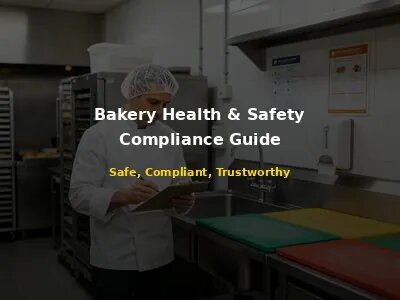
Bakery owner in white chef coat and hairnet checking food safety with clipboard in clean modern commercial bakery kitchen with color-coded cutting boards and hand washing station

A cautionary tale from a bakery owner in Portland, Oregon: "We had been in business for 8 years and had never had a serious health code issue. We were proud of our bakery - it was clean, our products were good, we had loyal customers. Then one Tuesday morning, the health checkor showed up for a routine checkion. What she found changed everything. Our walk-in refrigerator was at 48°F (7°F above the required 41°F) because the door seal had been deteriorating for months and we hadn't noticed. Our hand-washing sink had no paper towels (we ran out over the weekend and nobody restocked). One of our bakers was wearing a watch and a ring (we never enforced the jewelry rule). Our sanitizer bucket was at 200 ppm (we were using quaternary ammonium, which should be 200-400 ppm, but we had been diluting it wrong for months - it was actually 200 ppm, which was barely acceptable, but the checkor said it was too weak). We had no temperature logs (we 'checked temperatures mentally' but never wrote them down). We had no cleaning schedule (we cleaned 'when things looked dirty'). The checkor wrote us up for 11 violations, including 3 'important' violations (improper cold holding, no paper towels at hand sink, no certified food protection manager on premises). We were fined $2,400, had to pay for a mandatory re-checkion ($300), and our checkion results were posted on the county health department's website for everyone to see. We lost about 15% of our regular customers in these month because they saw our poor checkion score online. The worst part? Every single violation was fully preventable. The refrigerator seal cost $45 to replace. Paper towels cost $5 a pack. A food safety certification course cost $150. Temperature logs cost $2 for a notebook. We had been penny-wise and pound-foolish. After that experience, we fully overhauled our food safety program. We got the owner and two managers certified as food protection managers. We created written SOPs for everything. We started checking and recording temperatures twice daily. We put in placeed a daily opening/closing checklist. We trained all employees on food safety. We set up a pest control program. We bought digital thermometers and calibrated them weekly. The next checkion 6 months later? We got a 'Great' rating with zero violations. The difference was night and day - and it wasn't hard, it just required consistency and discipline. The lesson we learned: Food safety is not something you do when You've time - it's something you build into every process, every day. A single bad checkion can cost you thousands of dollars and irreparably damage your reputation. But a good food safety program costs quite little and protects everything you've built."

Health and safety compliance is one of the most important aspects of running a bakery - and one of the most overlooked. Many bakers focus on perfecting their recipes, building their customer base, and growing their sales, while treating health and safety as an afterthought or a necessary evil. But as our Portland customer learned the hard way, a single health code violation can cost thousands of dollars in fines, lead to lost customers, damage your reputation, and in extreme cases, result in temporary or permanent closure.After a decade in the bakery equipment industry, we've seen it all. The bakeries that thrive aren't the ones with the fanciest machines — they're the ones that understand their production needs and choose So. Whether you're just starting out or have been in business for years, this bakery health and guide will help you build a solid food safety program that protects your customers, your employees, and your business.

When it comes to bakery health, choosing the right equipment is crucial for bakery success. HNH Bakery Equipment provides professional bakery health solutions for bakeries worldwide. In this guide, we explore everything you need to know about bakery health and how to select the best equipment for your bakery.

1. Understanding the Regulatory Structure

1.1 Who Regulates Bakery Food Safety?

Food safety in bakeries is regulated at multiple levels: federal, state/provincial, and local. Understanding who regulates what is needed for compliance.

  • Federal level (United States): The Food and Drug Administration (FDA) develops the FDA Food Code, a model regulation that provides scientific and technical guidance for food safety. The FDA Food Code is not federal law - it's a model that states and local jurisdictions can adopt (with modifications). The FDA also regulates food labeling (Nutrition Facts labels, ingredient declarations, allergen labeling) under the Food Allergen Labeling and Consumer Protection Act (FALCPA) and the Nutrition Labeling and Education Act (NLEA). The USDA regulates meat, poultry, and some egg products - if your bakery makes meat-filled pastries or products with USDA-regulated ingredients, You can have additional USDA requirements.
  • State/provincial level: Most states have a department of health, agriculture, or environment that oversees food safety. They may adopt the FDA Food Code (often with modifications), issue food establishment licenses/permits, conduct checkions, and enforce regulations. Some states have specific bakery regulations (e.g., requirements for bakery kitchens, labeling of bakery products, cottage food laws for home bakers).
  • Local level (city/county): Local health departments are typically the primary regulators of retail food establishments, including bakeries. They issue permits, conduct routine checkions (usually 1-3 times per year, depending on risk level), look into complaints, and enforce local food safety ordinances. Local health departments may have additional requirements beyond state regulations (e.g., specific plumbing requirements, grease trap mandates, local allergen ordinances).

1.2 The FDA Food Code: The Foundation

The FDA Food Code is updated every 4 years (most recent: 2022 edition). It covers all aspects of food safety in retail and food service establishments, including: food employee health and hygiene, time/temperature control for safety (TCS) foods, cross-contamination prevention, cleaning and sanitizing, equipment and utensil requirements, plumbing and water supply, pest control, physical facilities, chemical storage, and HACCP. Important requirements from the FDA Food Code that apply to bakeries: Person in Charge (PIC) must be present during all hours of operation and must be knowledgeable about food safety; employees must report certain health conditions (vomiting, diarrhea, jaundice, sore throat with fever, lesions with pus); hand washing must be done at designated hand-washing sinks with soap and warm water for at least 20 seconds; TCS foods must be held at 41°F or below (cold) or 135°F or above (hot); cooking temperatures must meet minimum requirements (varies by food type); cooling must follow the two-stage process (135°F to 70°F in 2 hours, 70°F to 41°F in 4 more hours); reheating must reach 165°F within 2 hours; food-contact surfaces must be cleaned and sanitized at least every 4 hours and between uses; sanitizer concentrations must meet requirements (chlorine 50-100 ppm, quaternary ammonium 200-400 ppm, iodine 12.5-25 ppm); toxic chemicals must be stored away from food and labeled; pests must be excluded and controlled.

Important Note: Regulations Vary by Location

This bakery health and guide provides general information from the FDA Food Code and common best practices. However, specific requirements vary noticeably by country, state, and local jurisdiction. ALWAYS contact your local health department to confirm the specific requirements that apply to your bakery. When in doubt, follow the stricter requirement - it's better to over-comply than to receive a violation.

2. Personal Hygiene: The First Line of Defense

Personal hygiene is the single most worth noting reason in preventing foodborne illness. According to the CDC, poor personal hygiene (especially improper hand washing) is a leading cause of foodborne illness outbreaks in food service establishments. As a bakery owner, You've to establish and enforce strict personal hygiene standards for all employees.

2.1 Hand Washing: The #1 Rule

Proper hand washing is the most effective way to prevent the spread of bacteria and viruses. Employees must wash their hands: before starting work, after using the restroom (Important - this is the most important hand-washing moment), after touching their face, hair, or body, after coughing, sneezing, or blowing their nose, after eating, drinking, or smoking, after handling raw ingredients (eggs, dairy, meat), after taking out garbage or handling dirty equipment, after touching money or phones, after cleaning or handling chemicals, after switching between different tasks (especially raw to ready-to-eat), any time hands may have become contaminated. Proper hand washing procedure: 1) Wet hands with warm water (at least 100°F), 2) Apply soap, 3) Rub hands together vigorously for at least 20 seconds (wash palms, backs of hands, between fingers, under nails, wrists), 4) Rinse thoroughly with warm water, 5) Dry with single-use paper towels or air dryer (never use cloth towels or aprons), 6) Use a paper towel to turn off the faucet and open the door (to avoid recontamination). Hand-washing sinks must be: accessible at all times (not blocked by equipment or storage), stocked with soap and single-use paper towels at all times, used ONLY for hand washing (never for food prep, dish washing, or dumping waste), equipped with warm running water (at least 100°F). Common hand-washing violations: hand sink blocked or inaccessible, no soap or paper towels at hand sink, employees not washing hands after restroom use, employees washing hands in food prep sinks or dish sinks instead of hand sinks, hand washing for less than 20 seconds, using bare hands to touch ready-to-eat foods (use tongs, gloves, or deli tissue instead).

2.2 Employee Health Policy

Sick employees are a major source of foodborne illness. You've to have a written employee health policy that requires employees to report certain symptoms and conditions. Employees must NOT work with food (or must be restricted from working with food) if they have: vomiting (exclude from work until 24 hours after symptoms stop), diarrhea (exclude from work until 24 hours after symptoms stop), jaundice (yellowing of skin/eyes - exclude immediately and report to health department), sore throat with fever (restrict from working with food until 24 hours after symptoms stop), lesions with pus (boils, cuts with infection - must be covered with impermeable bandage and glove, or restrict from food contact), diagnosed foodborne illness (Norovirus, Hepatitis A, Salmonella Typhi, Shigella, E. coli O157:H7 - exclude from work and follow health department guidance for return to work). Best practices: Pay sick leave (if possible) so employees don't feel pressured to work while sick. Create a culture where employees feel comfortable reporting illness without fear of retaliation. Have a backup staffing plan so You can operate when employees call in sick. Post the employee health policy in a visible location (break room, time clock area). Have employees sign an acknowledgment that they understand the health reporting requirements.

2.3 Hair Restraints, Uniforms, and Jewelry

  • Hair restraints: All food employees must wear effective hair restraints (hairnets, hats, visors, beard restraints for facial hair). Hair is a physical contaminant and can also carry bacteria. Hair restraints must cover ALL hair (including bangs and sideburns). Beard restraints are required for any facial hair beyond a light stubble.
  • Uniforms/aprons: Employees should wear clean uniforms or aprons. Aprons must be removed when leaving the food prep area (going to restroom, taking out trash, taking a break). Dirty aprons must be changed regularly (at least daily, or more often if soiled). Outer clothing should be clean and appropriate for food service.
  • Jewelry: Food employees may NOT wear jewelry on their hands or arms while working with food, including: rings (including wedding rings - a plain band may be allowed in some jurisdictions, but most require no rings at all), bracelets, watches, wristbands. Jewelry can harbor bacteria, can fall into food (physical contamination), and can interfere with proper hand washing. Earrings and other facial jewelry are generally allowed (but should be small and simple to prevent falling into food). Necklaces should be tucked inside uniforms.
  • Nails: Fingernails must be short, clean, and neatly trimmed. No nail polish (it can chip and fall into food). No artificial nails (they can break off and harbor bacteria). If gloves are worn, nails must still be clean and short underneath.
  • Eating, drinking, smoking: Employees may NOT eat, drink, smoke, or chew gum in food preparation areas. Drinking is allowed only from a covered container with a straw (and must be consumed in a designated area away from food prep). Employees must wash hands after eating, drinking, or smoking.

3. Cross-Contamination Prevention

Cross-contamination is the transfer of harmful bacteria, allergens, or chemicals from one food, surface, or utensil to another. It's a leading cause of foodborne illness and allergic reactions. In bakeries, cross-contamination can occur through: shared equipment (mixers, dough sheeters, scales, utensils), shared surfaces (cutting boards, countertops, tables), improper storage (raw ingredients dripping onto ready-to-eat foods), improper handling (touching raw then ready-to-eat foods without washing hands), allergen cross-contact (using the same equipment for allergen and non-allergen products).

3.1 Allergen Management

Allergen management is critically important in bakeries because the top 9 allergens (milk, eggs, wheat, soy, peanuts, tree nuts, fish, shellfish, sesame) are common bakery ingredients. A single allergic reaction can be life-threatening (anaphylaxis) and can result in lawsuits and business closure. Important allergen management practices: Know your ingredients - read every label and know which allergens are in every product. Have an allergen matrix (a chart listing every product and which of the 9 allergens it contains). Label all products with allergen information (either on packaging or on display signs). Use separate equipment for allergen-free products when possible (dedicated mixers, bowls, utensils, rolling pins). If separate equipment isn't possible, put in place a thorough cleaning and sanitation protocol between allergen and non-allergen products (wash, rinse, sanitize, air dry - and use a clean, dedicated cloth). Use color-coded utensils and cutting boards for allergen-free products (e.g., purple for allergen-free, which is the industry standard). Train all employees on allergen handling and cross-contact prevention. Have a procedure for handling customer allergen requests (e.g., 'Is this product nut-free?'). Never guarantee a product is 'allergen-free' if it's made in a facility that handles allergens - use 'may contain' or 'made in a facility that processes...' warnings instead. Store allergen-containing ingredients separately from allergen-free ingredients (label clearly, store on lower shelves to prevent dripping). Consider getting an allergen certification (e.g., from the Allergen Control Group or similar) if you want to market allergen-free products.

3.2 Color-Coding System

A color-coding system for cutting boards, utensils, and cleaning cloths helps prevent cross-contamination. Standard color-coding system: Red = raw meat, poultry, seafood; Blue = raw fish/seafood; Green = fruits and vegetables (ready-to-eat); Yellow = cooked meats, poultry; White = dairy, bakery, ready-to-eat foods; Purple = allergen-free foods. In a bakery, the most relevant colors are: White (dairy/bakery/ready-to-eat), Green (fruits/vegetables for fillings), Red (raw meat for savory fillings), Purple (allergen-free products). put in place color-coding by: purchasing color-coded cutting boards, knives, utensils, and cleaning cloths; labeling storage areas with the corresponding color; training employees on the color-coding system; look overing regularly to ensure compliance.

3.3 Proper Storage

Improper storage is a common source of cross-contamination. Storage best practices: Store raw ingredients (eggs, dairy, meat fillings) on lower shelves, below ready-to-eat foods (bread, pastries, finished products). This prevents raw juices from dripping onto ready-to-eat foods. Store all food in food-grade containers with tight-fitting lids. Label all containers with the common name of the food (never store food in unlabeled containers - You might forget what's inside). Store chemicals (cleaning supplies, sanitizers, pesticides) in a separate area, away from food and food-contact surfaces. Never store chemicals above food (they could leak or spill onto food). Store all food at least 6 inches off the floor (on shelves or pallets) to allow for cleaning and pest monitoring. Practice FIFO (First In, First Out) - use older products before newer ones. Don't overstock refrigerators (air circulation is core for temperature maintenance). Keep storage areas clean, dry, and organized.

4. Temperature Control: The Important Control Point

Temperature control is the most important reason in preventing bacterial growth in food. Bacteria multiply rapidly in the 'temperature danger zone' (41°F-135°F / 5°C-57°C). By keeping food out of this danger zone (either cold below 41°F or hot above 135°F), You can prevent bacterial growth to safe levels.

4.1 Temperature Requirements Summary

ProcessTemperature RequirementNotes
Cold holding (refrigerator/display)41°F (5°C) or belowRecommended set point: 36-38°F for buffer
Freezer storage0°F (-18°C) or belowRecommended: -10 to 0°F for quality
Hot holding135°F (57°C) or aboveRecommended: 140-160°F
Cooking - eggs (immediate service)145°F (63°C) for 15 secStir constantly for custards
Cooking - eggs (held for service)155°F (68°C) for 15 secIncludes custards, cream fillings
Cooking - meat/poultry fillings165°F (74°C) for 15 secPoultry always 165°F
Cooling - Stage 1135°F to 70°F within 2 hoursImportant - bacteria grow fastest 70-125°F
Cooling - Stage 270°F to 41°F within 4 more hoursTotal cooling time: 6 hours max
Reheating165°F (74°C) within 2 hoursThen hold at 135°F or above
Thawing - refrigerator41°F (5°C) or belowPreferred method, plan ahead
Thawing - cold water70°F (21°C) or belowChange water every 30 min, food in sealed bag

4.2 Temperature Monitoring

Proper temperature monitoring is fundamental for compliance and food safety. Best practices: Use calibrated thermometers (calibrate at least weekly using ice water method - 32°F/0°C). Have multiple thermometers: one in each refrigerator/freezer, plus a digital probe thermometer for checking internal food temperatures. Check temperatures at least twice daily (opening and closing), and more frequently for display cases (every 2-4 hours during business hours). Record temperatures in a log (date, time, equipment, temperature, initials). Keep logs for at least 90 days. Take immediate corrective action if temperatures are out of range (move food, look into cause, call for repair). Don't rely solely on built-in thermostats (they can be inaccurate by 5°F+). Consider digital wireless temperature monitoring systems for 24/7 monitoring and alerts.

5. Cleaning and Sanitation

Cleaning and sanitation are fundamental to bakery food safety. 'Cleaning' means removing visible soil and food residue. 'Sanitizing' means reducing bacteria to safe levels using heat or chemicals. Both are necessary - You can't sanitize a dirty surface (the soil protects bacteria from the sanitizer).

5.1 Cleaning vs. Sanitizing

The proper sequence for cleaning food-contact surfaces is: 1) Scrape/remove visible food residue, 2) Wash with hot soapy water (detergent), 3) Rinse with clean water, 4) Sanitize with approved sanitizer at correct concentration, 5) Air dry (do not towel dry - towels can recontaminate). This sequence must be followed for all food-contact surfaces: mixers, dough sheeters, proofers, ovens (interior), cutting boards, utensils, bowls, scales, work tables, display case interiors. Frequency: At least every 4 hours during continuous use, between different tasks (especially raw to ready-to-eat), after any contamination event, at the end of each day (deep clean).

5.2 Sanitizer Concentrations

Sanitizer TypeRequired ConcentrationContact TimeNotes
Chlorine (bleach)50-100 ppmAt least 7 secondsCheap, effective, but corrosive; test with chlorine test strips
Quaternary Ammonium (Quat)200-400 ppmAt least 30 secondsNon-corrosive, no odor, but some bacteria resistant; test with quat test strips
Iodine12.5-25 ppmAt least 30 secondsBrown color (staining), less common in bakeries
Hot water (heat sanitizing)171°F (77°C) or aboveAt least 30 secondsUsed in commercial dishwashers; no chemicals needed

Always test sanitizer concentration with test strips (available at restaurant supply stores). Sanitizer concentration can change Because of evaporation, contamination with food residue, or incorrect mixing. A sanitizer that's too weak doesn't kill bacteria; one that's too strong can be unsafe and leave chemical residue on food-contact surfaces. Change sanitizer solution regularly (at least every 4 hours, or when it becomes dirty or concentration drops below required level).

5.3 Cleaning Schedule

Create a written cleaning schedule that specifies: what to clean, how to clean it, how often to clean it, who is responsible. A typical bakery cleaning schedule includes: Daily: wipe down all food-contact surfaces, clean mixers and attachments, clean dough sheeter, sweep and mop floors, clean display cases, take out trash, clean restrooms, clean hand-washing sinks. Weekly: deep clean ovens (interior and exterior), clean walk-in refrigerator/freezer (shelves, floors, gaskets), clean exhaust hoods and filters, clean walls and ceilings, clean storage areas, descale coffee machines/dishwashers. Monthly: deep clean behind and under equipment, clean light fixtures, clean ventilation systems, check and clean drains, pest control checkion. Quarterly: professional hood cleaning (if required by fire code), deep clean refrigeration coils, calibrate thermometers, look over and update cleaning procedures. Assign specific cleaning tasks to specific employees and have them initial a cleaning log when tasks are completed. This creates accountability and ensures nothing gets missed.

6. Pest Control

Pests (rodents, insects, birds) are a major food safety hazard. They can contaminate food with their feces, urine, hair, and body parts; spread disease (Salmonella, E. coli, Hantavirus); damage equipment and facilities; and destroy your reputation. A single pest sighting by a customer or health checkor can result in serious violations and lost business.

Pest control is from three principles: exclusion (keep pests out), restriction (limit their access to food, water, and shelter), and elimination (eradicate any pests that get in). Exclusion: Seal all gaps and cracks in walls, floors, ceilings (especially around pipes, vents, doors). Install door sweeps on all exterior doors. Keep doors closed when not in use (install self-closing mechanisms). Install air curtains or fly fans above exterior doors. Install screens on windows and vents (at least 16 mesh per square inch). Restriction: Store all food in sealed, food-grade containers (not in original paper bags or open containers). Keep food at least 6 inches off the floor. Clean up spills immediately. Take out trash regularly and keep lids on trash cans. Keep outdoor areas clean and free of debris. Fix water leaks (pests need water). Elimination: Work with a licensed pest control company (recommended for commercial bakeries). Set up a regular pest control service schedule (monthly or quarterly, depending on risk). Keep pest control records (service reports, pesticide usage logs). Use pesticides only as directed and never near food or food-contact surfaces. Monitor for pest activity (droppings, gnaw marks, nests, live/dead pests). Act immediately if pests are detected (don't wait - they multiply quickly).

7. Food Safety Management Systems (HACCP)

HACCP (Hazard Analysis and Important Control Points) is a systematic, preventive way to food safety. It was originally developed by NASA and Pillsbury for the space program in the 1960s and has since become the global standard for food safety management. While HACCP is most commonly required for food manufacturing (not retail bakeries), put in placeing HACCP principles can noticeably improve your food safety program and show a commitment to food safety to customers and health checkors.

The 7 HACCP principles: 1) Conduct a hazard analysis - spot potential biological, chemical, and physical hazards at each step of your process. 2) figure out important control points (CCPs) - points in the process where a hazard can be prevented, removed, or reduced to safe levels (e.g., cooking temperature, cooling, hot/cold holding). 3) Establish important limits - the maximum/minimum values that must be met at each CCP (e.g., cook to 165°F, hold at 41°F or below). 4) Establish monitoring procedures - how, when, and by whom CCPs are monitored (e.g., check cooking temperature with a calibrated thermometer for every batch, record in log). 5) Establish corrective actions - what to do when a important limit is not met (e.g., if food is held at 45°F for 2 hours, discard it; if cooking temperature is 150°F, continue cooking until 165°F). 6) Establish verification procedures - how to confirm the HACCP system is working (e.g., look over temperature logs daily, calibrate thermometers weekly, conduct internal look overs). 7) Establish record-keeping procedures - maintain records of all HACCP activities (hazard analysis, CCP monitoring, corrective actions, verification). For a retail bakery, a simplified HACCP-based way focuses on the important CCPs: temperature control (cooking, cooling, hot/cold holding), cross-contamination prevention (allergen control, raw/ready-to-eat separation), personal hygiene (hand washing, employee health), and cleaning/sanitation. Even if you don't put in place a full HACCP plan, following these principles will make your food safety program more systematic and effective.

8. Employee Training

Your employees are the front line of food safety. Even the best procedures and equipment won't protect your customers if your employees don't follow them. Proper training is fundamental for compliance and food safety.

Training requirements: Before starting work, all food employees must receive basic food safety training (hand washing, temperature control, cross-contamination, personal hygiene, cleaning). Many jurisdictions require a food handler card/certification within 30 days of hire. At least one person (usually the owner/manager) should be a Certified Food Protection Manager (CFPM) - required in most jurisdictions. Refresher training should be conducted quarterly (15-30 minutes) to reinforce important concepts and deal with any issues. Training topics to cover: Proper hand washing technique and when to wash hands; Employee health policy (when to stay home, how to report illness); Personal hygiene (hair restraints, jewelry, uniforms, nails); Temperature control (danger zone, cold/hot holding, cooking, cooling, reheating, thawing); Cross-contamination prevention (raw/ready-to-eat separation, allergen management, color-coding); Cleaning and sanitation (cleaning schedule, sanitizer concentrations, proper cleaning sequence); Pest control (signs of pests, how to report); Chemical safety (proper storage, labeling, usage, SDS sheets); Emergency procedures (what to do if there's a power outage, fire, flood, or food safety incident). Training methods: In-person training (most effective, allows for questions and hands-on practice); Online training (convenient, self-paced, many accredited options); Video training (good for visual learners); Written materials (SOPs, posters, quick-reference guides); On-the-job training (shadowing experienced employees). Training best practices: Make training engaging and relevant (use real examples from your bakery). Test employees on important concepts (written quiz or verbal judgement). Have employees sign training acknowledgment forms. Keep training records (employee name, date, topics covered, trainer name, test score). Make training an ongoing process, not a one-time event. Lead by example - managers must follow all food safety rules (employees do what you do, not what you say).

9. Health Department checkion Preparation

Health department checkions are a fact of life for every bakery. Being prepared can mean the difference between an 'Great' rating and a long list of violations. Here's how to prepare for and pass your health checkion.

9.1 What checkors Look For

Health checkors typically focus on: Food temperatures (refrigerators, freezers, display cases, hot holding, cooking, cooling - they'll bring their own thermometer and check multiple items); Employee hygiene (hand washing, hair restraints, jewelry, sick employees, eating/drinking in prep areas); Cross-contamination (raw/ready-to-eat separation, allergen handling, color-coding, storage); Cleaning and sanitation (food-contact surfaces, sanitizer concentration, cleaning schedule, overall cleanliness); Pest control (signs of pests, pest control records, exclusion measures); Chemical storage (labeling, separation from food, SDS sheets); Plumbing (hand sinks accessible and stocked, no cross-connections, proper grease trap); Record keeping (temperature logs, cleaning logs, training records, pest control records, certified food manager certificate); Physical facilities (floors, walls, ceilings, lighting, ventilation, adequate storage).

9.2 Daily Self-checkion Checklist

Conduct a daily self-checkion using a checklist. This helps you catch and fix issues before the health checkor does. Daily checklist items: All refrigerators at 41°F or below? All freezers at 0°F or below? Display cases at proper temperature? Hot holding at 135°F or above? Hand sinks accessible, stocked with soap and paper towels? Employees wearing hair restraints? No jewelry on hands/arms? Employees washing hands properly? No sick employees working with food? No eating/drinking in prep areas? Raw ingredients stored below ready-to-eat foods? All food labeled and dated? Sanitizer at correct concentration (test with strips)? Food-contact surfaces clean? Trash cans covered and emptied? No signs of pests? Chemicals labeled and stored away from food? Floors clean and dry? Temperature logs completed? Cleaning tasks completed? Conduct this checkion every morning before opening (or assign it to a manager). Fix any issues immediately. Keep a record of self-checkions.

9.3 During the checkion

When the health checkor arrives: Be polite and professional (don't argue or become defensive). Accompany the checkor during the checkion (don't leave them alone - you want to see what they're checking). Answer questions honestly and fully. Don't volunteer information that isn't asked (but don't hide anything either). If the checkor finds a violation, ask for clarification on how to correct it. Take notes on all violations and corrective actions. If You can correct a violation immediately (e.g., restock paper towels, adjust refrigerator temperature), do so while the checkor is still there - this shows initiative and may result in a less severe citation. Ask for a copy of the checkion report. look over the report carefully and make a plan to correct all violations before the re-checkion (if required).

10. Workplace Safety (OSHA)

Plus to food safety, bakeries must comply with workplace safety regulations to protect employees from injury. In the United States, OSHA (Occupational Safety and Health Administration) sets and enforces workplace safety standards. Bakeries have unique workplace safety hazards: slips and falls (wet floors, flour dust), burns (ovens, hot equipment, hot water), cuts (slicers, knives, dough sheeters), machine injuries (mixers, dough dividers, sheeters - entanglement hazards), lifting injuries (heavy bags of flour, sugar, equipment), chemical exposure (cleaning chemicals, sanitizers), respiratory hazards (flour dust, which can cause occupational asthma), ergonomic injuries (repetitive motions, standing for long periods), electrical hazards (wet environment with many electrical appliances).

Workplace safety best practices: Slips and falls: Clean up spills immediately. Use 'wet floor' signs. Keep floors clean and dry. Use non-slip floor mats in wet areas. Wear non-slip shoes. Keep walkways clear of clutter and cords. Burns: Use oven mitts and heat-resistant gloves. Turn pot handles away from the edge of the stove. Use caution when opening oven doors (hot air can burn). Allow hot equipment to cool before cleaning. Label hot surfaces. Cuts: Use knives properly (cut away from body, keep knives sharp - dull knives are more dangerous). Use knife guards when storing. Use slicers with the safety guard in place. Never put hands near moving blades. Machine safety: Never put hands or utensils in running equipment (mixers, dough sheeters, dividers). Turn off and unplug equipment before cleaning or servicing. Use lockout/tagout procedures for equipment maintenance. Train employees on proper equipment operation. Never bypass safety guards. Lifting: Use proper lifting technique (bend knees, keep back straight, lift with legs). Ask for help with heavy items (over 50 pounds). Use dollies, carts, or hand trucks for heavy loads. Store heavy items on lower shelves (between knee and shoulder height). Chemical safety: Store chemicals in original labeled containers. Keep SDS (Safety Data Sheet) for all chemicals accessible to employees. Use chemicals only as directed. Wear PPE (gloves, goggles, aprons) when handling chemicals. Never mix chemicals (especially bleach and ammonia - creates toxic gas). Respiratory: Use exhaust ventilation in mixing and baking areas. Consider using dust collection systems for flour handling. Provide N95 respirators for employees with flour dust sensitivity (if required). Ergonomics: Provide anti-fatigue mats for employees who stand for long periods. Rotate tasks to reduce repetitive motion injuries. Adjust work surfaces to proper height. Provide step stools for reaching high shelves. Electrical: Keep electrical equipment away from water. Use GFCI (Ground Fault Circuit Interrupter) outlets in wet areas. Don't overload outlets. check cords regularly for damage. Unplug equipment when not in use. Training: Train all employees on workplace safety before they start. Conduct regular safety meetings (monthly). Have a written safety program. Keep safety training records. Provide PPE (personal protective equipment) at no cost to employees. Report all injuries and near-misses (OSHA requires recordkeeping for businesses with 11+ employees).

11. Common Health Code Violations (and How to Avoid Them)

  1. Improper hand washing (#1 violation): Avoid by: having accessible, stocked hand sinks; training employees on proper technique; monitoring and enforcing; posting hand-washing signs at all sinks and in restrooms.
  2. Improper cold holding temperatures: Avoid by: checking temperatures twice daily with calibrated thermometers; recording in log; maintaining refrigerators (clean coils, replace seals); not overstocking; taking immediate corrective action.
  3. Improper hot holding temperatures: Avoid by: using proper hot holding equipment; checking temperatures every 2 hours; not using hot holding to reheat food.
  4. Cross-contamination: Avoid by: storing raw below ready-to-eat; using color-coded equipment; washing hands between tasks; proper allergen management; cleaning/sanitizing between uses.
  5. Poor personal hygiene: Avoid by: enforcing hair restraints; no jewelry policy; employee health policy; no eating/drinking in prep areas; uniform/apron policy.
  6. Improper cooling: Avoid by: using shallow pans; ice baths; dividing large batches; monitoring cooling temperatures; not leaving food on counter to cool.
  7. Improper labeling/dating: Avoid by: labeling all food with common name and date; put in placeing FIFO; training employees on date marking.
  8. Chemical storage/labeling: Avoid by: storing chemicals away from food; labeling all chemical containers; keeping SDS accessible; using proper concentrations.
  9. Pest control evidence: Avoid by: working with licensed pest control; sealing gaps; keeping doors closed; proper food storage; regular cleaning; monitoring for signs.
  10. No certified food protection manager: Avoid by: getting owner/manager certified; keeping certification current (renew every 5 years); having certificate posted/accessible.

12. 30-Day Health and Safety Compliance Plan

Week 1: judgement and Foundation

  • Day 1-2: Contact your local health department to confirm specific requirements. get a copy of the food safety checkion form/checklist they use.
  • Day 3-4: Conduct a complete self-checkion using the health department's checklist. Walk through every area of your bakery and document every issue you find.
  • Day 5: look over your self-checkion results and focus on issues (important violations first, then major, then minor). Create a corrective action plan with deadlines.
  • Day 6-7: Get the owner/manager enrolled in a Certified Food Protection Manager course (if not already certified). Purchase necessary supplies: calibrated thermometers, test strips for sanitizer, hairnets, gloves, color-coded cutting boards, cleaning supplies, temperature log books, cleaning log books.

Week 2: Policies and Procedures

  • Day 8-9: Create written Standard Operating Procedures (SOPs) for: hand washing, employee health, temperature monitoring, cooling, thawing, cross-contamination/allergen control, cleaning and sanitation, chemical handling, pest control, emergency procedures.
  • Day 10-11: Create a cleaning schedule (daily, weekly, monthly tasks with assigned employees). Create temperature log forms and cleaning log forms. Create an employee health policy and acknowledgment form.
  • Day 12: Set up a pest control program (hire a licensed pest control company or set up a DIY program with traps and monitoring). Seal any gaps/cracks in walls, floors, doors. Install door sweeps if needed.
  • Day 13-14: Organize chemical storage (label all containers, move away from food, get SDS for all chemicals). Organize food storage (label all containers, put in place FIFO, store raw below ready-to-eat, 6 inches off floor).

Week 3: Training and put in placeation

  • Day 15-16: Conduct food safety training for all employees (hand washing, personal hygiene, temperature control, cross-contamination, cleaning, allergen management, employee health). Have employees sign training acknowledgment forms.
  • Day 17-18: Conduct workplace safety training (slips/falls, burns, cuts, machine safety, lifting, chemical safety, ergonomics, electrical). Have employees sign training acknowledgment forms.
  • Day 19: put in place daily temperature logging (twice daily). put in place daily cleaning checklist. put in place daily self-checkion. Assign specific employees to specific tasks.
  • Day 20-21: deal with any remaining physical issues from your self-checkion (repair refrigerator seals, fix plumbing issues, replace damaged equipment, install proper lighting, repair floors/walls). Purchase any missing equipment (thermometers, test strips, color-coded boards, PPE).

Week 4: Verification and Continuous Improvement

  • Day 22-23: Complete the Certified Food Protection Manager certification (if enrolled in Week 1). Post the certificate in a visible location.
  • Day 24-25: Conduct a mock health checkion (use the health department's checklist). Have someone who doesn't work in the bakery daily (or a manager from another location) conduct the checkion. Document all findings and create corrective actions.
  • Day 26: look over all logs (temperature logs, cleaning logs, training records, pest control records). Ensure they're complete and accurate. spot any trends or recurring issues.
  • Day 27-28: deal with all remaining issues from the mock checkion. Conduct a final walk-through to ensure everything is in compliance. Celebrate your progress with your team!
  • Day 29-30: Schedule a follow-up self-checkion for next week. Set up a recurring calendar reminder for: daily self-checkion, weekly thermometer calibration, monthly safety meeting, quarterly refresher training, annual CFPM renewal look over. Establish a culture of continuous improvement - food safety is not a one-time project, it's an ongoing commitment.

13. Conclusion

Health and safety compliance is not optional - it's core for protecting your customers, your employees, and your business. As our Portland customer learned, a single bad checkion can cost thousands of dollars and irreparably damage your reputation. But a solid food safety program costs quite little and protects everything you've built.

The important principles are simple: wash hands properly and often, keep food at the right temperature (cold below 41°F, hot above 135°F), prevent cross-contamination (especially allergens), keep everything clean and sanitized, train your employees, and keep accurate records. These are not complicated concepts - they just require consistency, discipline, and a commitment to doing things right every single day.

Remember: Food safety is not something you do when You've time - it's something you build into every process, every day. Your customers trust you to provide safe, wholesome food. That trust is your most valuable asset. Protect it with a strong food safety program, and your bakery will thrive for years to come.

Speak with Our Engineering Team

Tell us about your bakery, your production volume, and your budget. We will recommend the right equipment for your specific needs — no pressure, no obligation.

View Our Bakery Equipment

📋 Bakery Equipment Checklist

Download our complete bakery equipment checklist with budget estimates for 5 different bakery types.

Free Bakery Equipment Checklist →

📋 Bakery Equipment ROI Calculator

Use our interactive ROI calculator to see how quickly your bakery equipment investment pays off.

Calculate Your Equipment ROI →

📋 Bakery Equipment Maintenance Calendar

Get our printable maintenance calendar to keep your bakery equipment running at peak performance.

Printable Maintenance Calendar →

📋 Bakery Equipment Energy Cost Calculator

Estimate your bakery equipment energy costs and find ways to reduce your utility bills.

Calculate Energy Costs →

Related Articles

Learn More